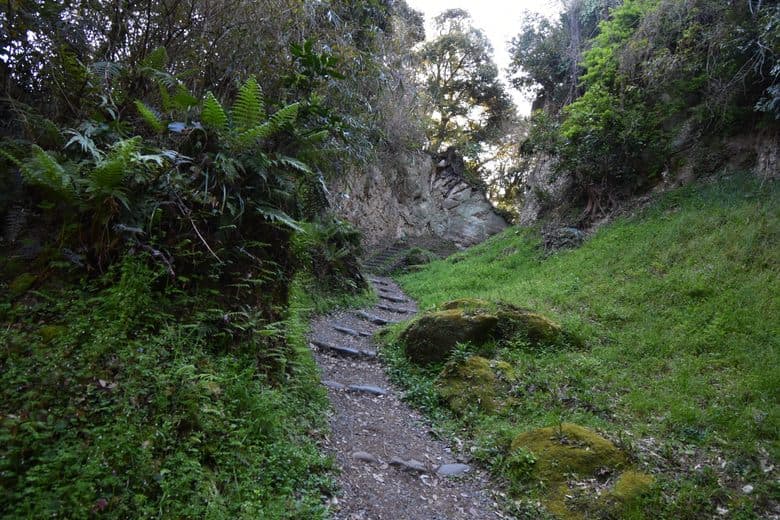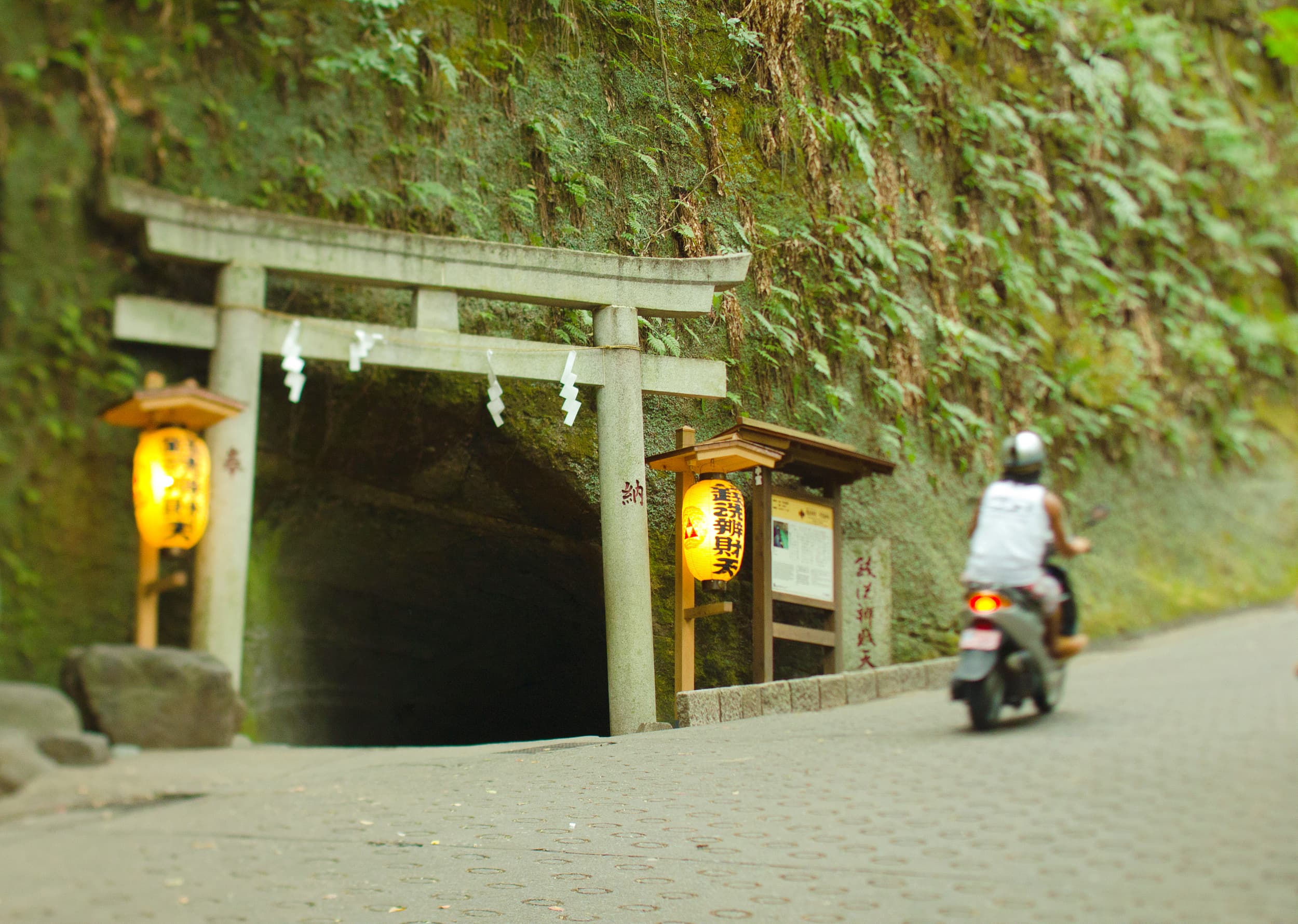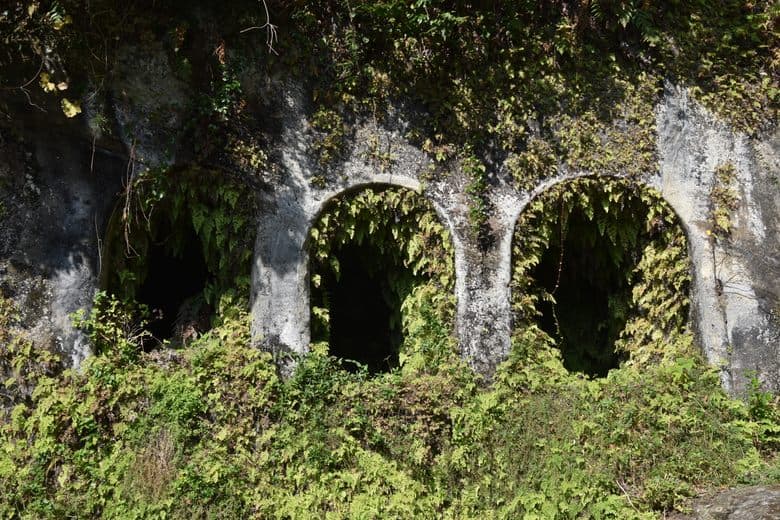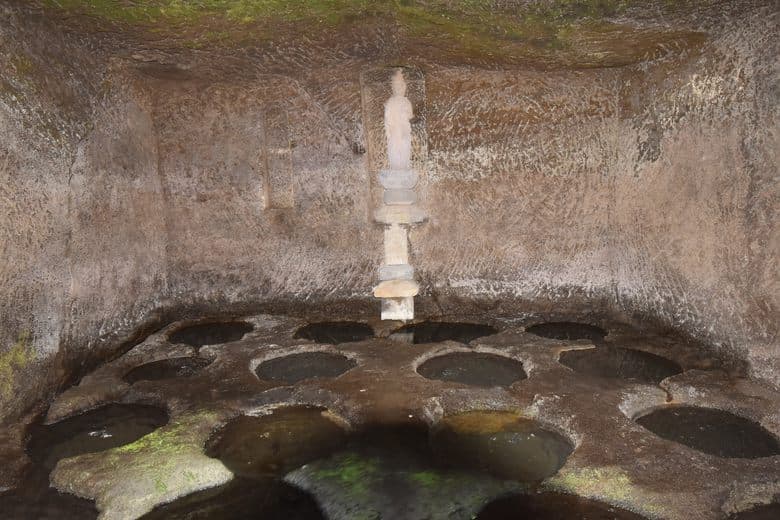
The Sixteen Wells (Jūroku-no-i) are a cluster of ancient wells located within a small, hidden grotto on the grounds of Kaizō-ji Temple in Kamakura. Dating back to medieval Japan, possibly as early as the 14th century, their exact purpose remains a mystery, adding to their allure as a fascinating historical enigma. Dedicated to the Buddhist goddess Kannon-bosatsu and the deified monk Kōbō-daishi, these wells offer a tangible connection to the spiritual and historical depth of the region.
Visitors often describe the wells as a peaceful and intriguing spot, providing a quiet contrast to some of Kamakura's more bustling attractions. The grotto's secluded nature contributes to a sense of discovery, with many appreciating the opportunity to ponder the unknown history behind the wells. While some find the site small, its historical significance and the serene atmosphere are consistently highlighted as positive aspects.
To fully appreciate the Sixteen Wells, visitors should allocate about 15-30 minutes once inside the temple grounds. The best time to visit is during the temple's opening hours, ideally in the morning or late afternoon to avoid larger crowds and enjoy the tranquil setting. Since the wells are part of the Kaizō-ji Temple, a visit here can be combined with exploring the temple's beautiful gardens, known for their seasonal flowers, and the legendary "bottomless well" (Sokonuke-no-i).
Kaizō-ji Temple is located in Kamakura, a city easily accessible from Tokyo by train. From Kamakura Station, the temple can be reached by a pleasant walk, which typically takes around 20-30 minutes, or by a short bus ride. Reviewers often recommend enjoying the walk through the residential areas and smaller streets to reach the temple. Parking is limited in the area, so public transport is highly recommended.
A common point to note is that the wells themselves are not grand in scale, and some visitors might find them less visually striking than other Kamakura attractions if they are not prepared for a more contemplative historical site. Managing expectations by understanding that the appeal lies in the mystery and historical context, rather than dramatic visuals, can enhance the experience. The small donation required for temple entry is generally considered worthwhile for the overall experience of the temple and its unique features.