Faret Tachikawa is a distinctive urban redevelopment project located in Tachikawa, western Tokyo. Conceived in 1994 on the site of a former US Air Force base, it has transformed the area into an open-air art museum featuring 109 public artworks by 92 artists from 36 countries. This initiative aimed to revitalize the district by integrating art directly into the daily urban fabric, making it a unique example of urban planning and artistic expression.
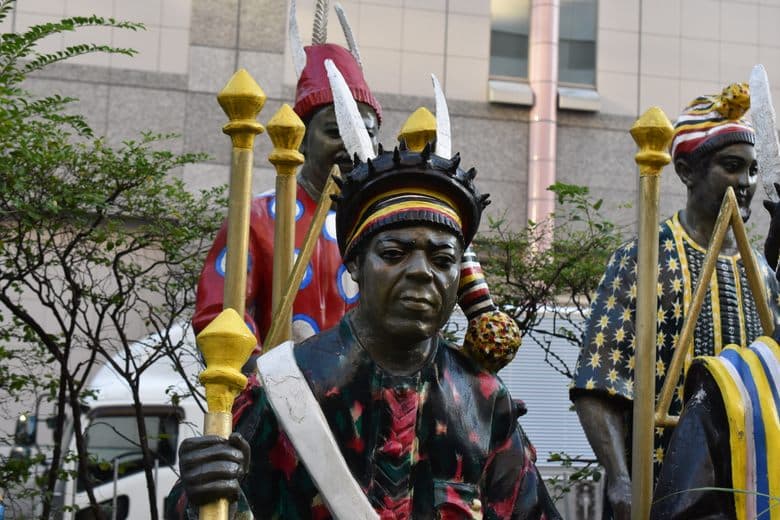
Visitors consistently praise the unexpected nature of the artworks, which are often cleverly disguised as everyday objects like vents, benches, or bollards. This integration creates a sense of discovery, akin to an 'Easter egg hunt,' as many reviewers note. The diversity of the art, ranging from the monumental 'open café terrace' with its gigantic red flowerpot by Jean-Pierre Raynaud to Robert Rauschenberg's 'Bicycloid VI' and African tribal chief statues by Sunday Jack Akpan, offers a rich visual experience. Reviewers appreciate how these pieces inject color and surrealism into the otherwise modern concrete landscape, making a walk through the area feel like an engaging gallery visit.
To make the most of your visit, consider dedicating 1-2 hours to leisurely explore the area. While an official map is available online, some visitors suggest going 'blind' to enhance the sense of discovery. Comfortable walking shoes are recommended as you'll be strolling through a shopping district. The area is best enjoyed during daylight hours to fully appreciate the details and colors of the artworks. There are no specific items to bring beyond what you'd typically carry for a city walk, but a camera is highly recommended to capture the unique installations.
Faret Tachikawa is conveniently located just north of Tachikawa Station. To get there from central Tokyo, take the JR Chūō Line from Shinjuku Station, which typically takes 30-50 minutes. Once you arrive at Tachikawa Station, the art district is easily accessible on foot, just a short walk away. The public nature of the art means there are no entry gates or specific access points, allowing for free exploration.
Common complaints are minimal, primarily stemming from visitors who might expect a traditional museum setting rather than an integrated urban art experience. To mitigate this, approach Faret Tachikawa as an exploration of an artistic urban landscape rather than a structured exhibition. Some artworks are subtle, so paying close attention to your surroundings will enhance the experience and prevent missing hidden gems.