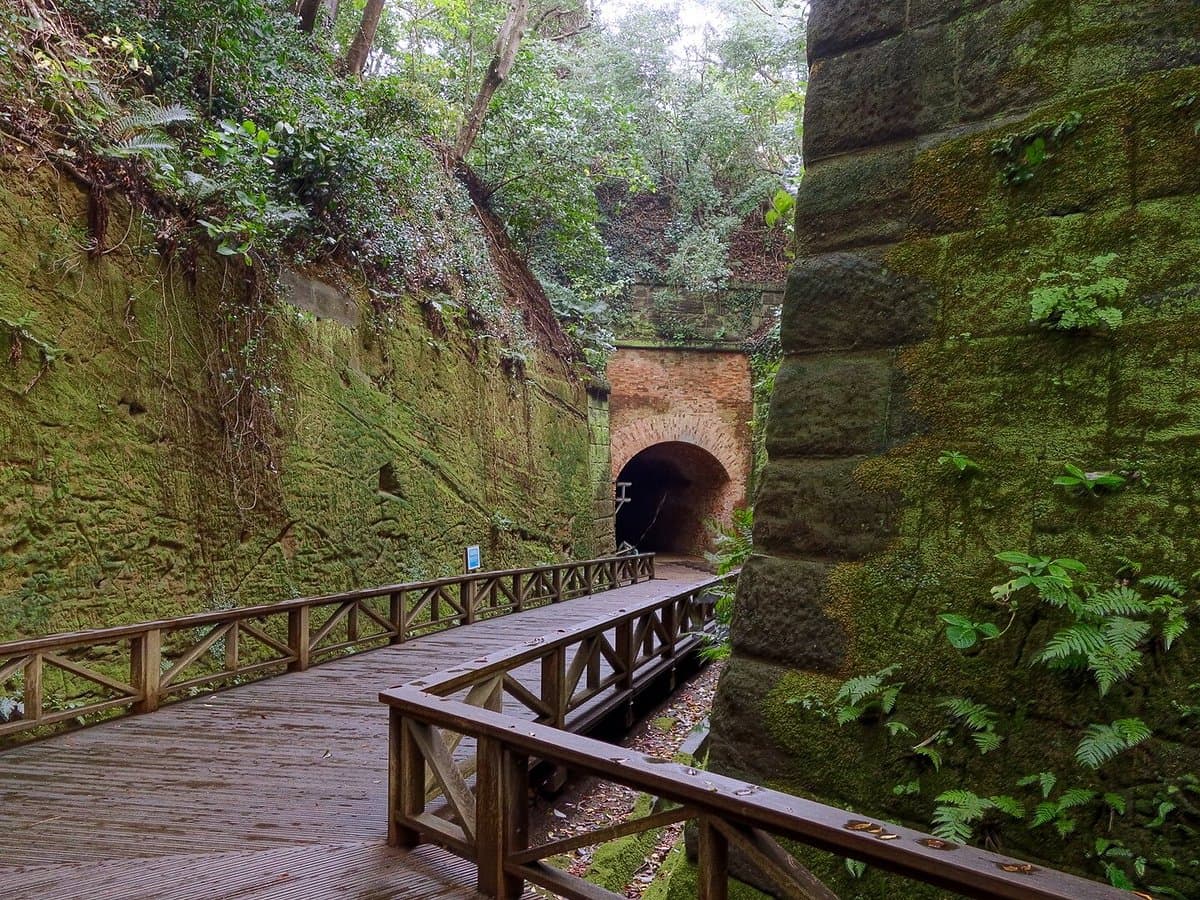
Sarushima Island, often called "Monkey Island" despite its lack of simians, is the sole natural island in Tokyo Bay. Its strategic location has made it historically significant, with fortifications dating back to the Tokugawa Shogunate and later used during World War II. Today, it serves as a unique blend of historical exploration and natural escape, offering visitors a glimpse into Japan's past amidst lush greenery and coastal views.
Visitors consistently praise the island for its tranquil atmosphere and historical intrigue. Many enjoy exploring the brick-lined tunnels and overgrown fortresses, noting the blend of nature reclaiming man-made structures. The short, scenic ferry ride is frequently highlighted as part of the experience, offering views of the bay and sometimes even naval ships. The sandy beach is a popular spot for relaxation, picnics, and barbecues, with many reviewers appreciating the option to bring their own food and drinks. However, some visitors note that certain areas, like Yonenone Beach or the observation tower, might be closed, which can be disappointing if not anticipated.
For a comfortable visit, it's advisable to bring your own food and drinks, especially if planning to stay for several hours, as on-island options can be limited outside of peak season. While there's a shop and food kiosk near the pier, some reviewers mention they were closed or under renovation. A walk around the island typically takes about 1 to 1.5 hours, but allow more time for exploring ruins, relaxing on the beach, or having a picnic. Consider visiting on a weekday or during the off-season to avoid crowds, as the island can get very busy, particularly on weekends and holidays. Bringing cash for ferry tickets and any rentals is also recommended.
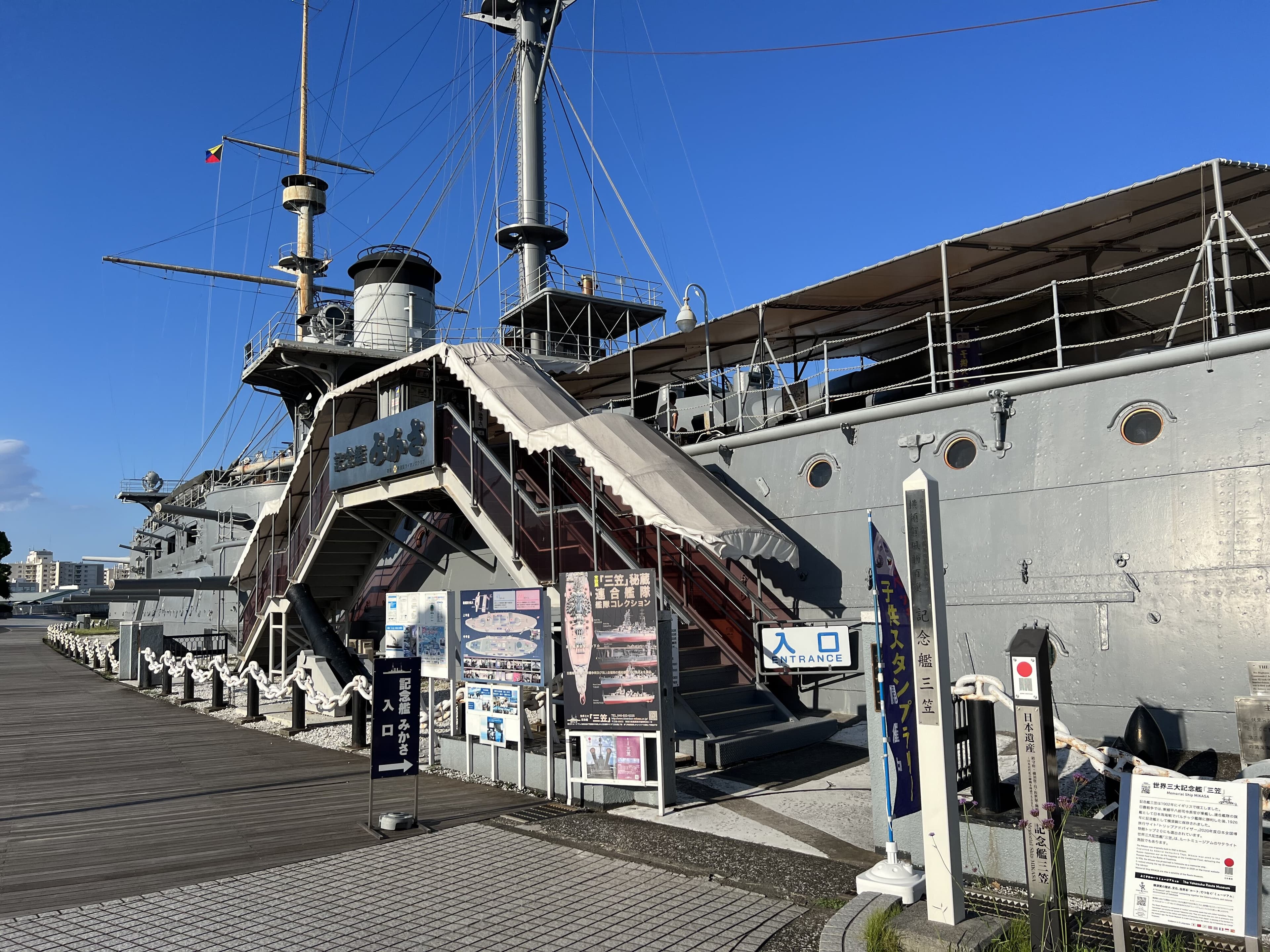
To reach Sarushima Island, take the Keikyu Line to Yokosuka-Chūō Station. From there, it's about a 15-minute walk to Mikasa Park, where the ferry pier is located. Look for a small white trailer behind the souvenir shop to purchase tickets. Ferries typically depart hourly at :30, with return trips from Sarushima at :45. The ferry ride itself is short, lasting about 10 minutes. Public transport is the most convenient option, as driving and parking can be challenging in the area.
A common complaint is the absence of actual monkeys, which can be misleading given the island's nickname. Visitors should manage expectations regarding wildlife, as the island is primarily known for its history and natural scenery, not its primate population. Another point of concern for some is the limited English information available on site, though an English map is usually provided. For those interested in deeper historical context, a guided tour, if available, might be beneficial. Lastly, be aware that the island can be crowded, especially the beach area, during peak season and holidays. To mitigate this, consider visiting early in the morning or later in the afternoon, or during less popular times of the year.