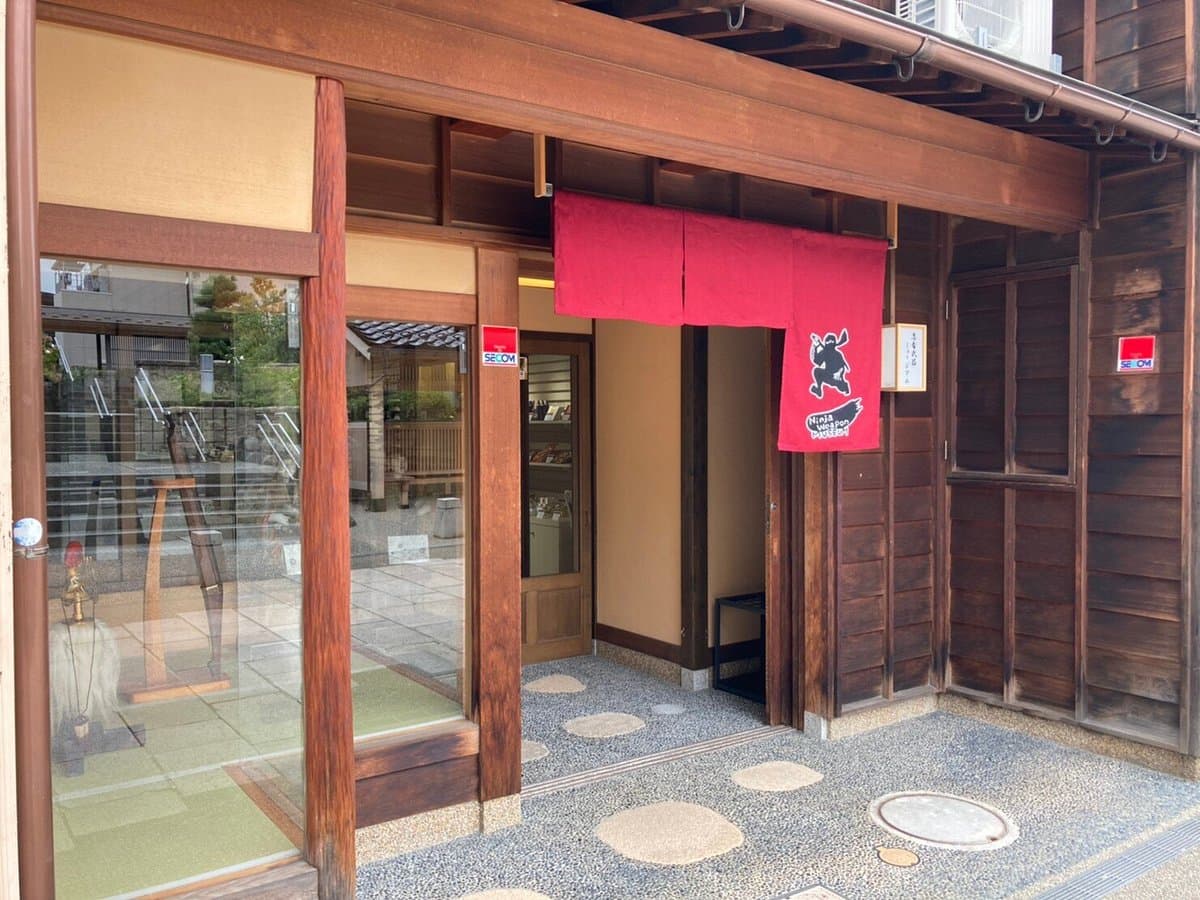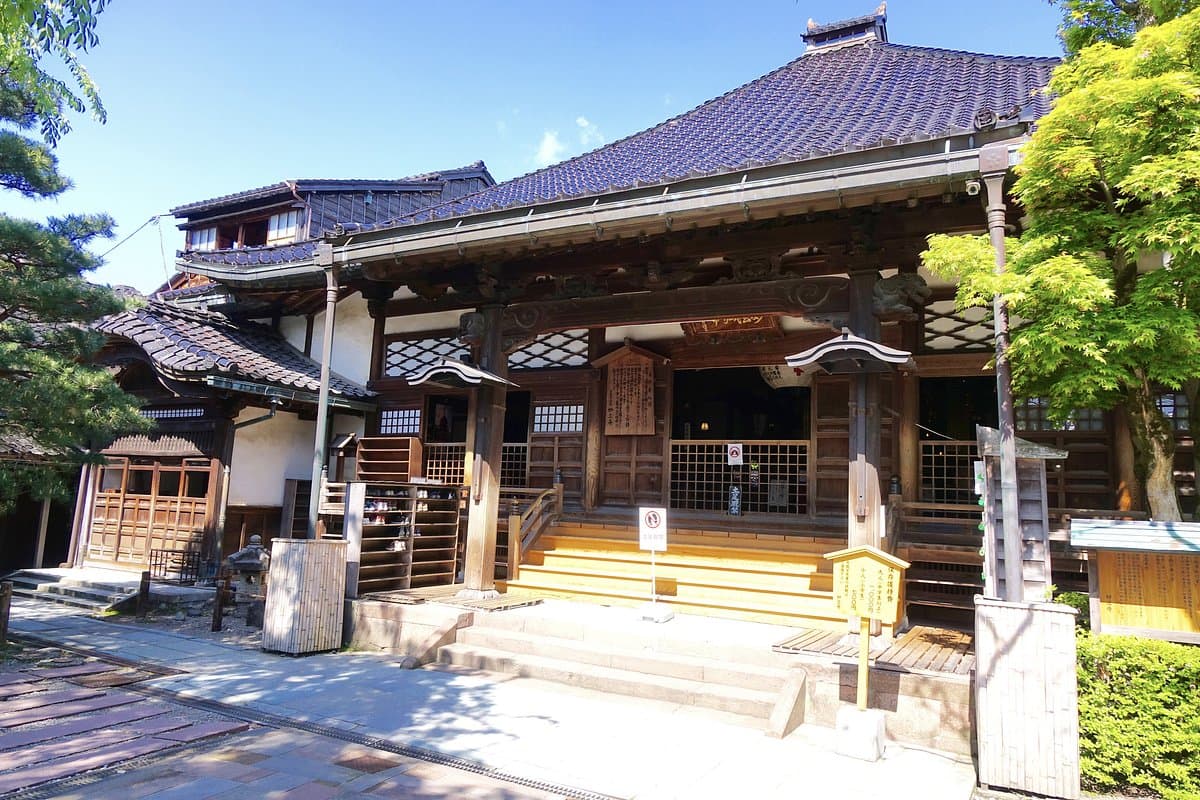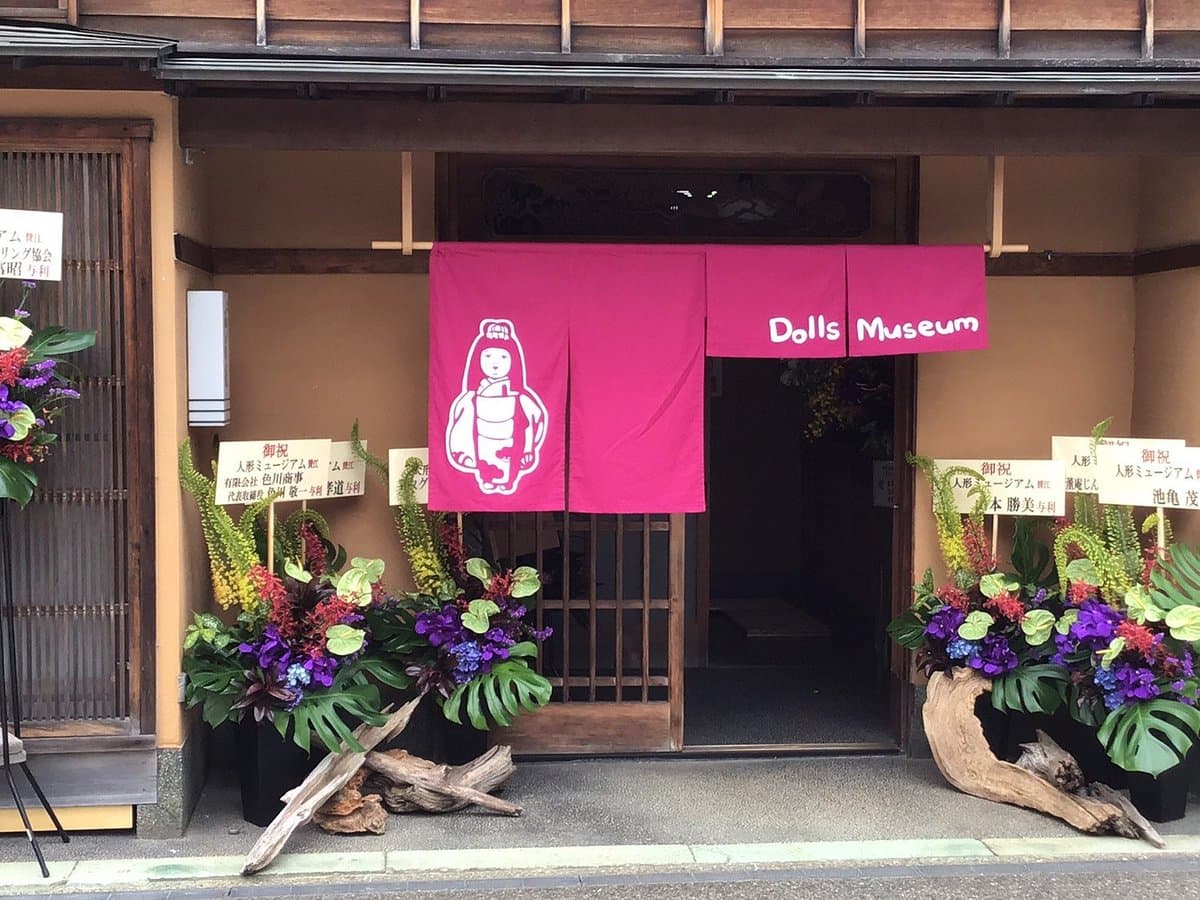
The Dolls Museum in Kanazawa is a unique cultural institution dedicated to preserving and showcasing the rich history of Japanese dolls. Housed in a beautifully maintained building that once served as a geisha house, it offers a serene and intimate setting to explore various types of dolls, some dating back 300 years. The museum provides a fascinating insight into Japanese craftsmanship, traditions, and the evolving role of dolls in society, making it a significant stop for those seeking a deeper understanding of local heritage.
Visitors consistently highlight the exceptional quality of the guided tours, often led by enthusiastic and knowledgeable English-speaking staff. Reviewers frequently mention guides like Yuka, Mihiro, and Yumika, who enhance the experience by sharing interesting stories and historical context, making the exhibits come alive. Many are surprised by how engaging the visit becomes, even for those initially skeptical about a doll museum. The interactive elements, such as the opportunity to try on traditional kimonos or samurai attire for photos, and even paint one's own doll, are frequently cited as memorable highlights that add a fun, personal touch to the educational experience.
To make the most of your visit, plan to spend about 1 to 2 hours. Many visitors recommend going in the morning or during less crowded times to potentially enjoy a more personalized tour. The museum is described as 'short but sweet,' making it easy to fit into a busy itinerary. Don't hesitate to ask questions, as the staff are eager to provide detailed explanations. Consider combining your visit with a meal or drink at the on-site cafe, which serves unique items like cascara teas and lunch sets, offering a pleasant break, especially on a hot day.
The Dolls Museum is conveniently located in the heart of Kanazawa's Nishi Chaya district, making it easily accessible. While specific public transport lines are not detailed in reviews, its central location suggests it's within walking distance or a short bus ride from major points of interest. Reviewers mention passing by it, indicating its visibility in a popular tourist area. If driving, be aware that parking might be limited in the historic district, so public transport or walking is generally recommended.
A common misconception is that the museum might be 'creepy' or uninteresting, especially for those unfamiliar with traditional Japanese dolls. However, visitors consistently report being pleasantly surprised, finding the dolls beautiful, the history fascinating, and the overall atmosphere calm and welcoming. The staff's ability to provide engaging explanations in multiple languages helps mitigate any initial reservations, transforming potential skepticism into genuine appreciation for the exhibits.