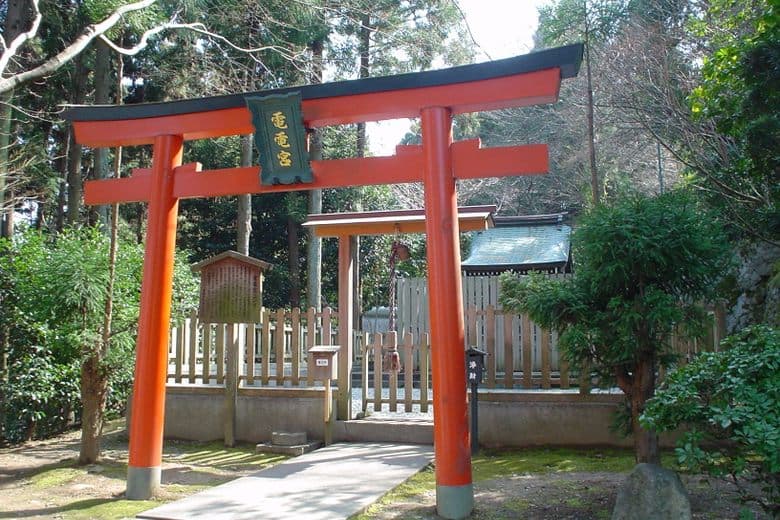
Denden-gu, located within the grounds of the historic Hōrin-ji Temple, is a truly unique Shinto shrine that bridges ancient Japanese spirituality with the modern world of technology. Originally dedicated to Denden-Myōjin, a minor lightning deity associated with agriculture, the shrine was rebuilt in 1956 after being destroyed in 1864. It was then re-envisioned as a guardian deity for electricity, radio waves, and later, computer science. This makes it a fascinating pilgrimage site for those working in tech, from programmers to electric vehicle owners, seeking blessings for safety and success in their fields.
Visitors consistently praise the shrine's distinctive character and its unexpected fusion of old and new. The most frequently mentioned highlight is the collection of omamori (charms), which are uniquely designed as 16-gigabyte SD memory cards, symbolizing the shrine's modern patronage. Many find the monument dedicated to Thomas Edison and Heinrich Hertz within the temple grounds to be a surprising and thought-provoking addition, underscoring the shrine's dedication to technological pioneers. While some reviewers note its small size, they generally appreciate the quiet, contemplative atmosphere and the novelty of its theme.
For those planning a visit, it's advisable to combine Denden-gu with a trip to the broader Arashiyama area, as the shrine itself is quite small and can be explored in a short amount of time. There are no specific items to bring, but a camera is recommended for capturing the unusual sights. The best time to visit is during daylight hours, allowing for clear views of the unique monuments and charms. There are no reported entry fees, making it an accessible stop for budget-conscious travelers.
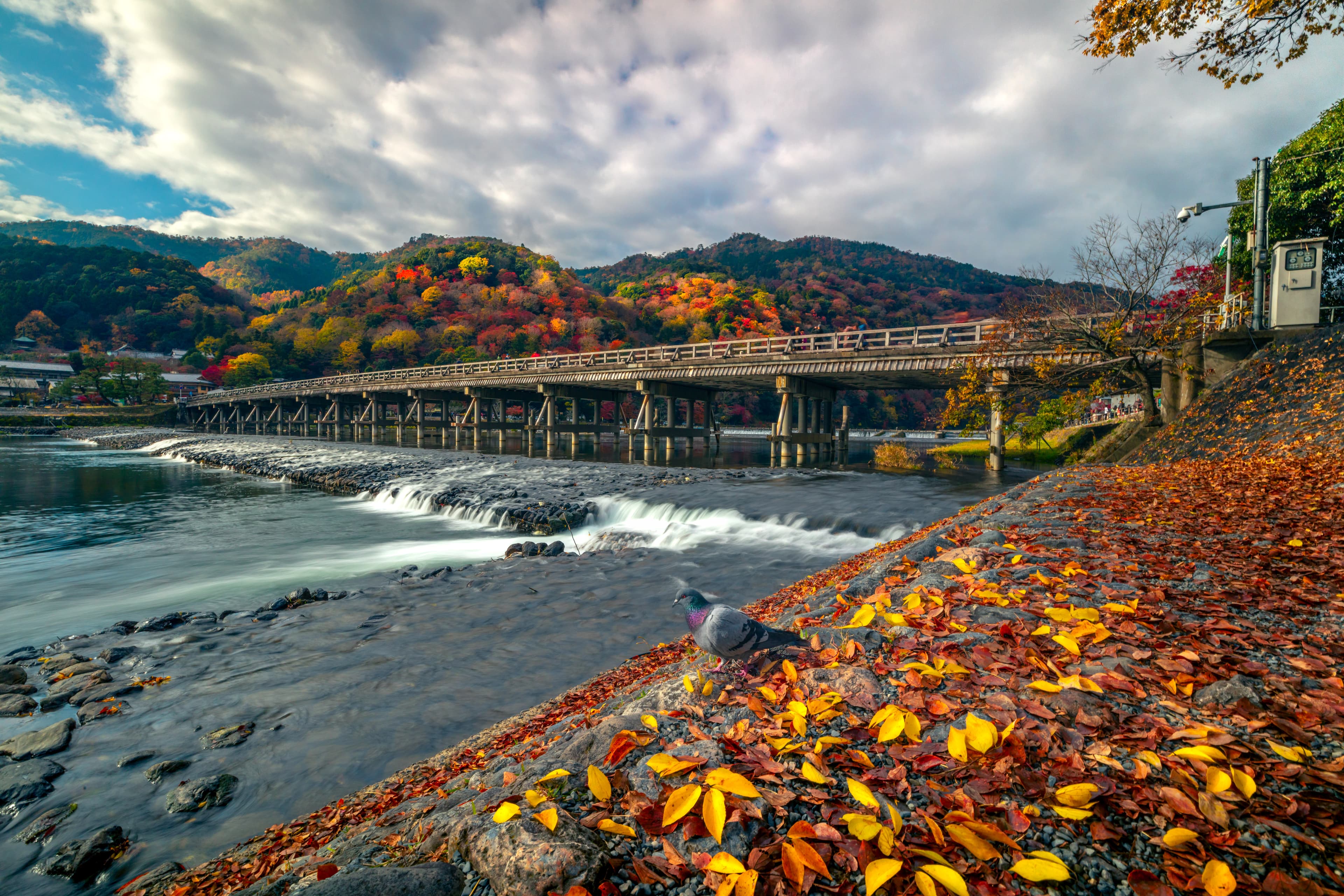
Denden-gu is situated within the Hōrin-ji Temple complex, which is easily accessible from the Arashiyama district. From Arashiyama Station (Keifuku Electric Railroad Arashiyama Line), it's a short walk across the Togetsukyo Bridge and up the hill. If arriving by JR train, get off at Saga-Arashiyama Station and walk towards the Togetsukyo Bridge. Public buses also serve the Arashiyama area, with several stops within walking distance of the temple. The walk to the temple involves a gentle incline, but it is generally considered easy for most visitors.
Common complaints are few, primarily revolving around the shrine's small scale, which might disappoint visitors expecting a grander site. To mitigate this, set expectations accordingly and view it as a charming, quirky addition to a larger Arashiyama itinerary rather than a standalone destination.