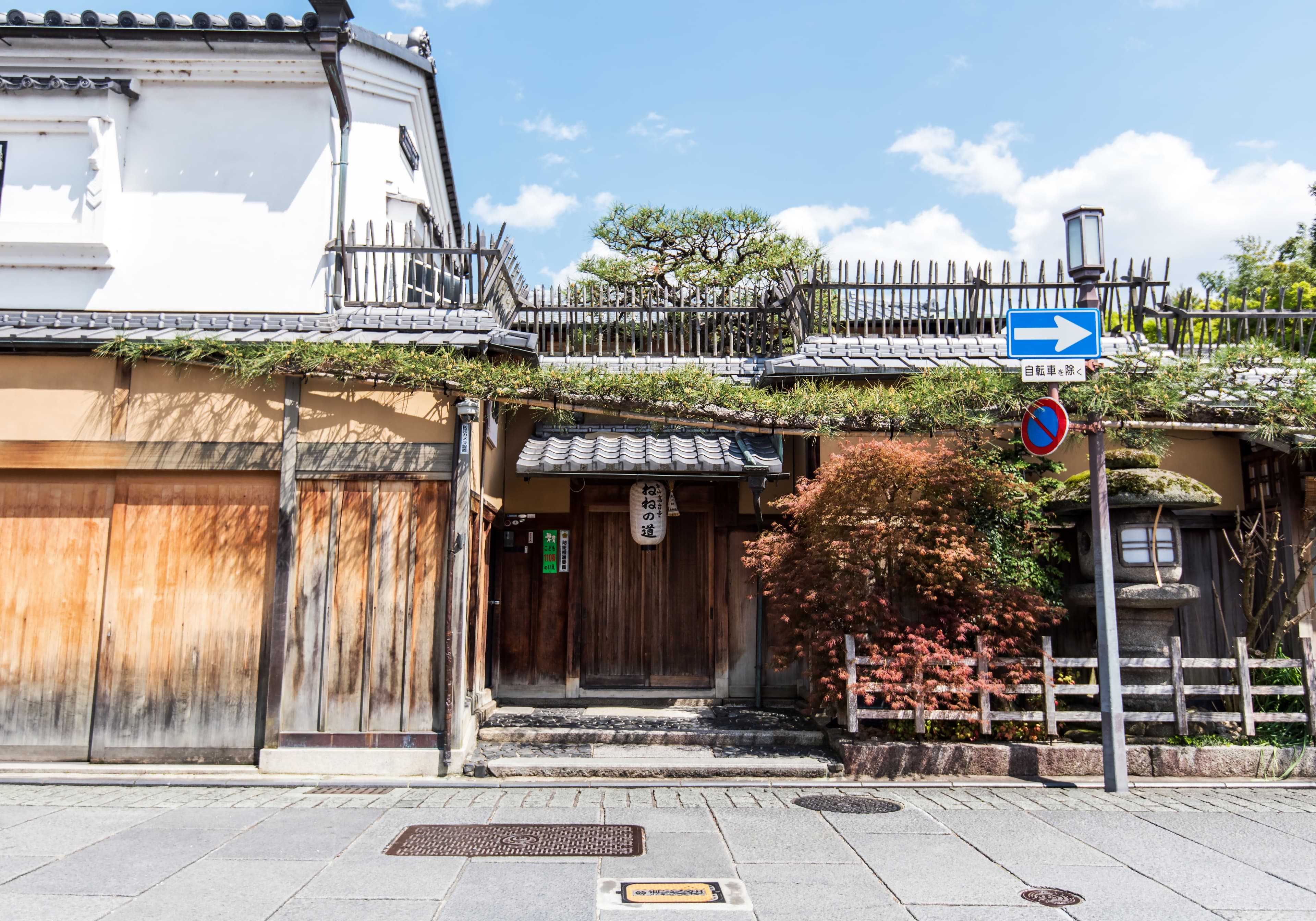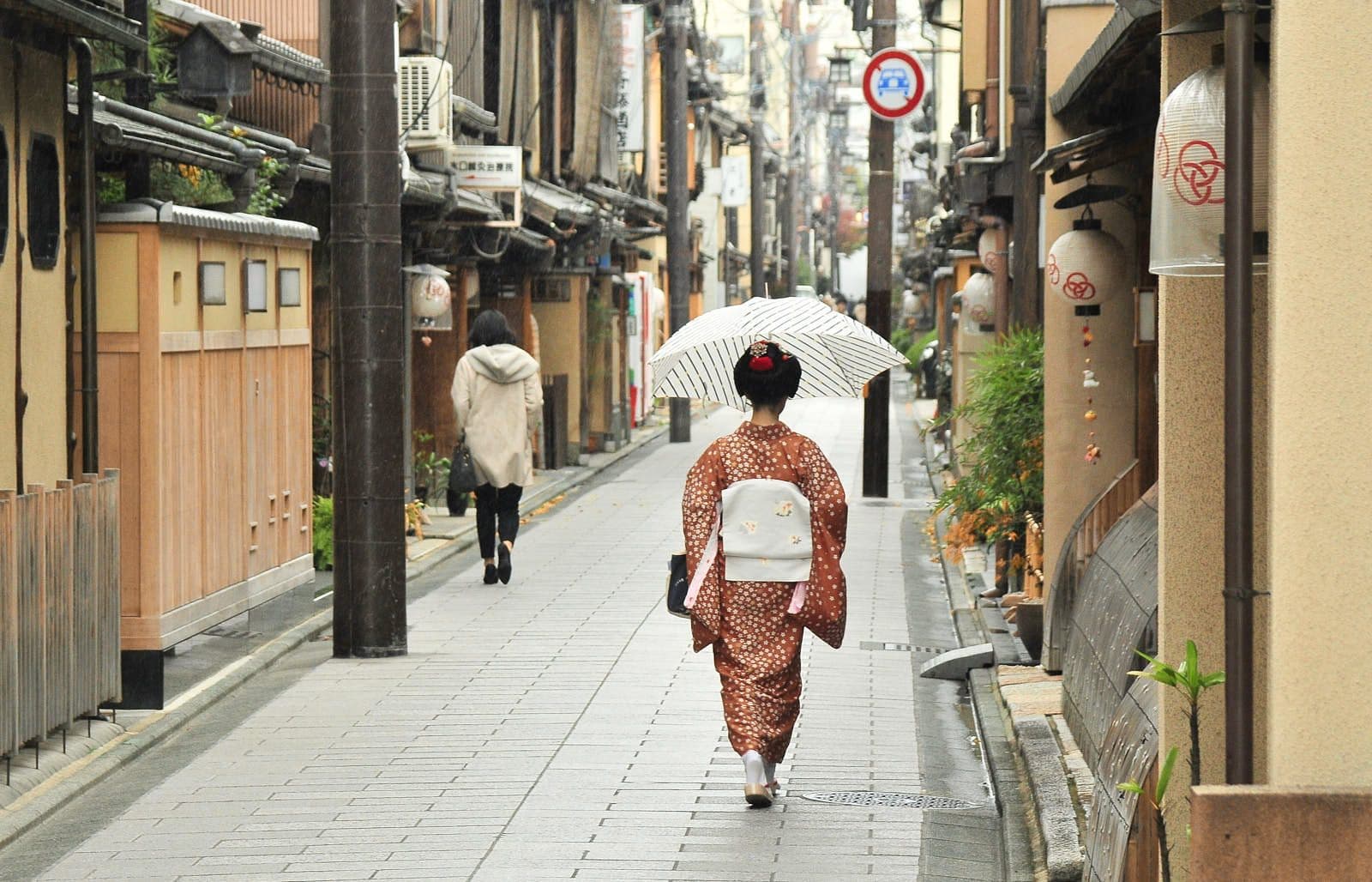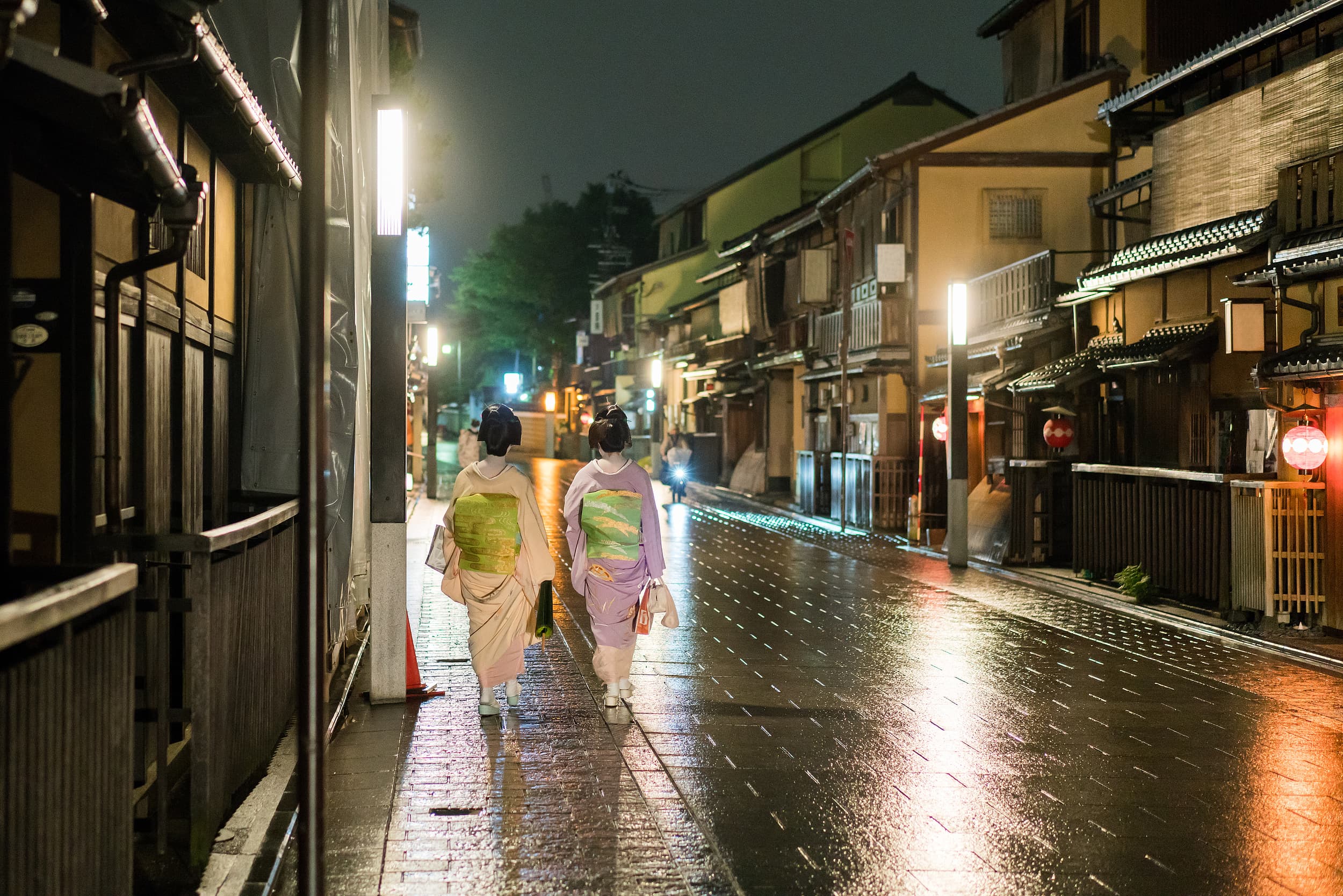
What this place is: Hanamikoji-dori is a north-south cobblestone street approximately 1 kilometre long in Kyoto's Gion district, the most famous geisha quarter in Japan. The street has functioned as a geisha district since the Edo period and remains one of the few places in Japan where geisha (and their apprentices, maiko) still actively work and live. The street is lined with traditional wooden machiya townhouses, many converted into high-end kaiseki restaurants, teahouses, and exclusive establishments where geisha performances can be arranged. It gained international recognition after being featured in the film "Memoirs of a Geisha."
What visitors consistently praise: Reviewers overwhelmingly praise the authentic preservation of traditional Japanese architecture and the palpable sense of stepping back in time. The southern section of the street, in particular, is noted for its genuine old-Japan atmosphere with minimal modern intrusion. Many visitors report genuine encounters with geisha, particularly in the early evening (around 5:30-6:00 PM) when they travel to and from appointments. The side streets branching off the main thoroughfare contain hidden shops, cafes, and galleries that reward exploration. Visitors also appreciate the relative quiet and orderliness compared to other crowded Kyoto tourist areas, though this varies significantly by time of day.
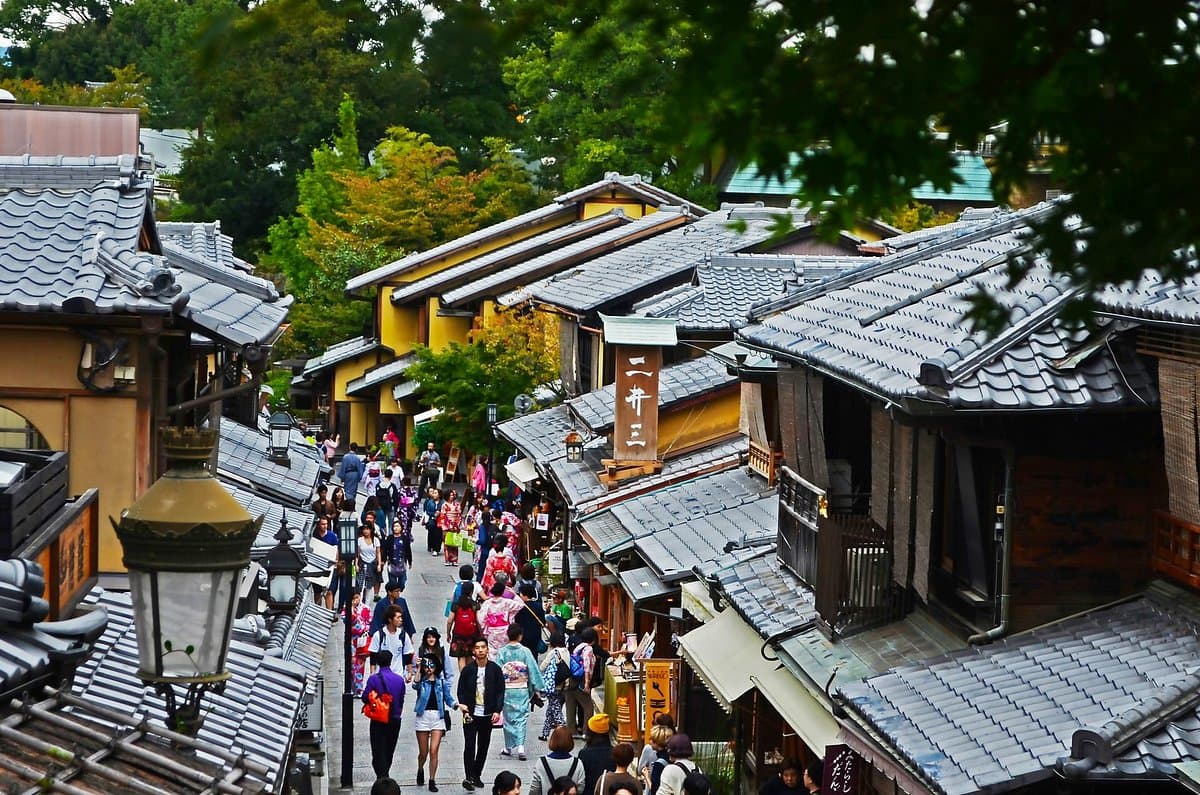
Common visitor experiences and warnings: Reviewers consistently note that the street becomes extremely crowded during daytime hours, particularly with tour groups and tourists in rental kimonos, which many feel detracts from the authentic atmosphere. Several visitors mention that many shops and restaurants were closed during their visit, particularly at midday. A significant concern raised by multiple reviewers is the issue of tourists photographing geisha without permission—the street now has signs explicitly requesting visitors not to photograph or touch geisha. Visitors also note that the northern section of the street differs markedly from the south, containing modern bars and clubs rather than traditional establishments. The street itself is quite short (taking less than 10 minutes to walk end-to-end), so expectations should be calibrated accordingly.
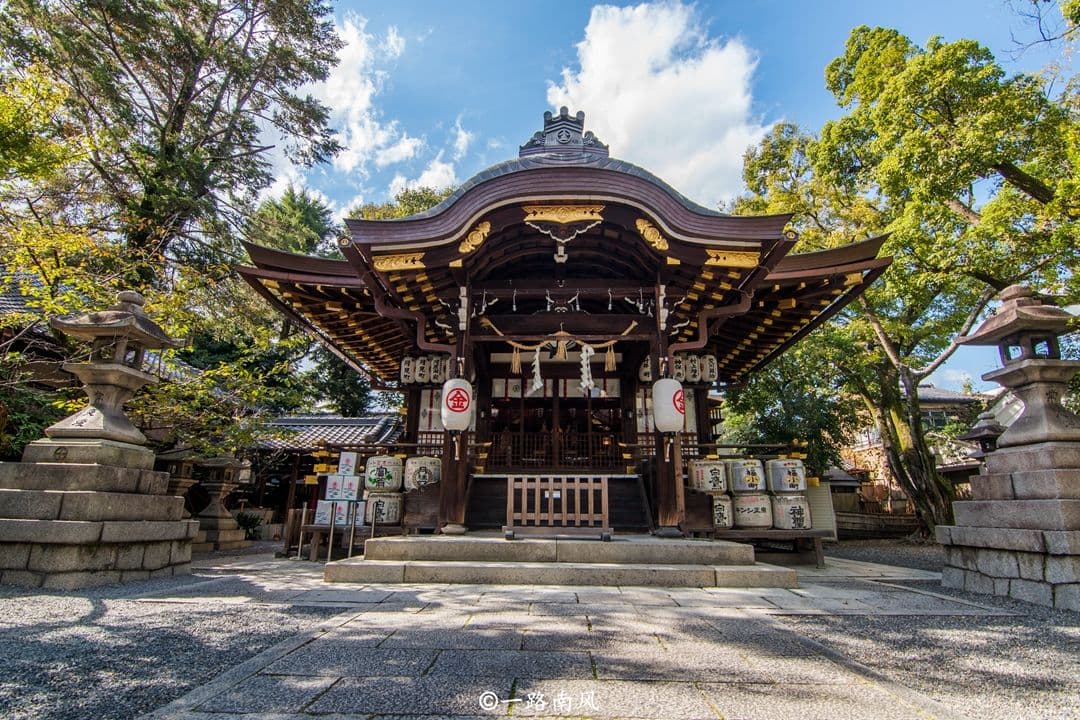
Practical advice from visitor experience: Visit early morning (before 9:00 AM) or late evening (after 5:30 PM) to experience the street with minimal crowds and authentic atmosphere. Early morning visits are particularly recommended by reviewers who found the daytime experience overly commercialised. If your goal is to see geisha, arrive around 5:30-6:00 PM when they are most likely to be visible on the street. Wear comfortable walking shoes suitable for cobblestones. Budget 1-2 hours for a leisurely exploration, including time to wander side streets and browse small shops. Do not attempt to photograph geisha—it is explicitly discouraged and considered disrespectful. If you wish to experience a geisha performance, book a table at one of the teahouses in advance; these are high-end establishments with significant costs. Bring cash, as many smaller shops do not accept cards. The street is best visited as part of a larger Gion exploration, combining it with nearby Yasaka Shrine, Kiyomizu-dera Temple, and the Ninenzaka and Sannenzaka shopping streets.
Getting there: Hanamikoji-dori is located in the Gion district, easily accessible from Gion-Shijo Station on the Keihan Line. From the station exit, the street is a short walk (approximately 5 minutes). The street runs north-south between Shijo-dori (to the north) and Kojo-dori (to the south). If arriving from Kiyomizu-dera Temple, you can walk downhill via Ninenzaka and Sannenzaka streets, which naturally lead to the Gion area and Hanamikoji. Parking is not recommended; the area is pedestrian-focused and street parking is limited. Public transport is the practical option for most visitors.
Common complaints and mitigation: The primary complaint is overcrowding during daytime hours, which can make the experience feel commercialised and inauthentic. This is entirely mitigated by visiting outside peak hours—early morning (before 9:00 AM) or late evening (after 5:30 PM) offer dramatically different experiences. Some visitors report disappointment that many establishments are restaurants rather than shops, limiting browsing opportunities; however, exploring the side streets reveals numerous small galleries, craft shops, and cafes. A few reviewers felt the street was overhyped relative to the actual experience; managing expectations and visiting at optimal times addresses this concern. Finally, the prevalence of tourists in rental kimonos may feel inauthentic to some; this is unavoidable but less noticeable during off-peak hours.