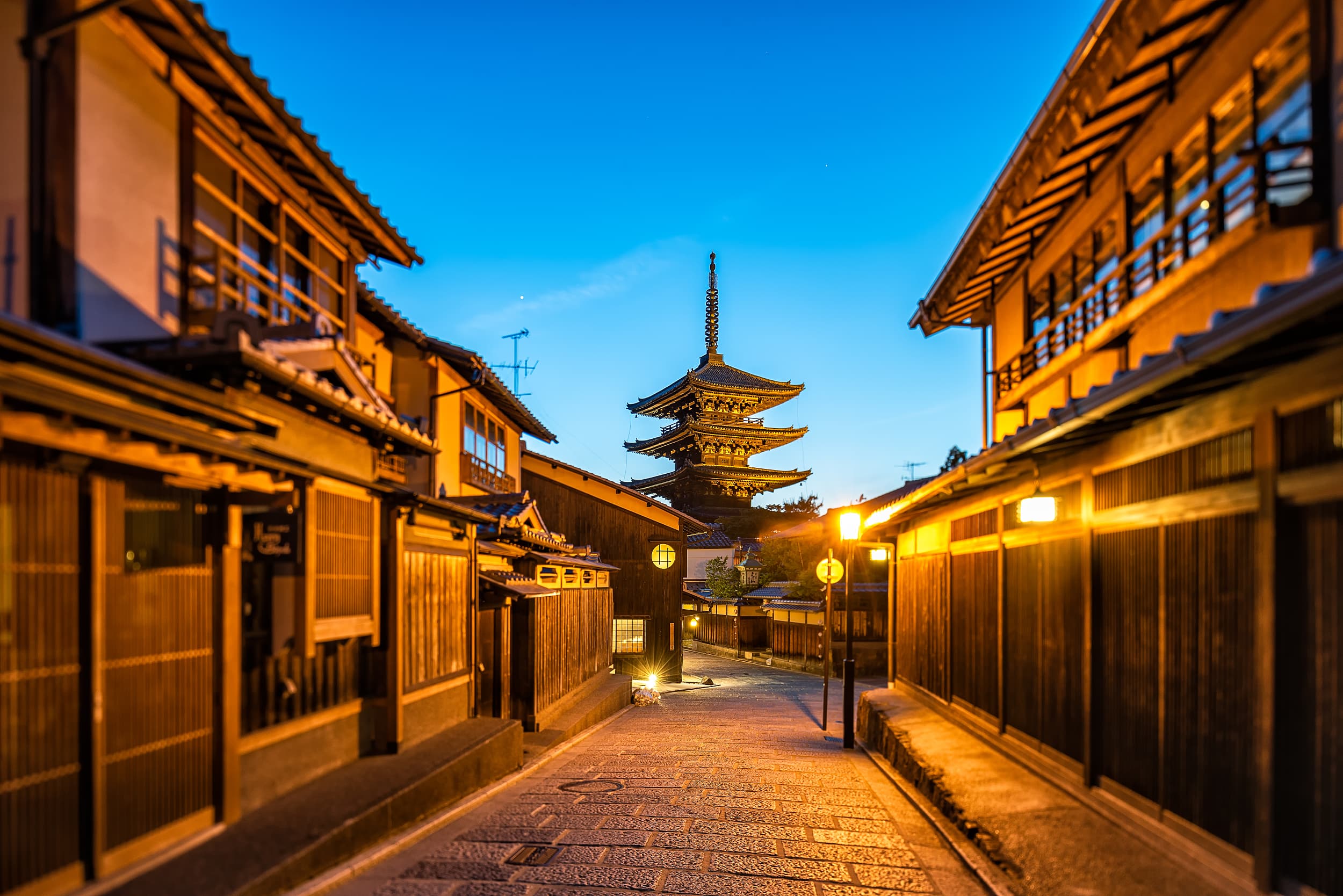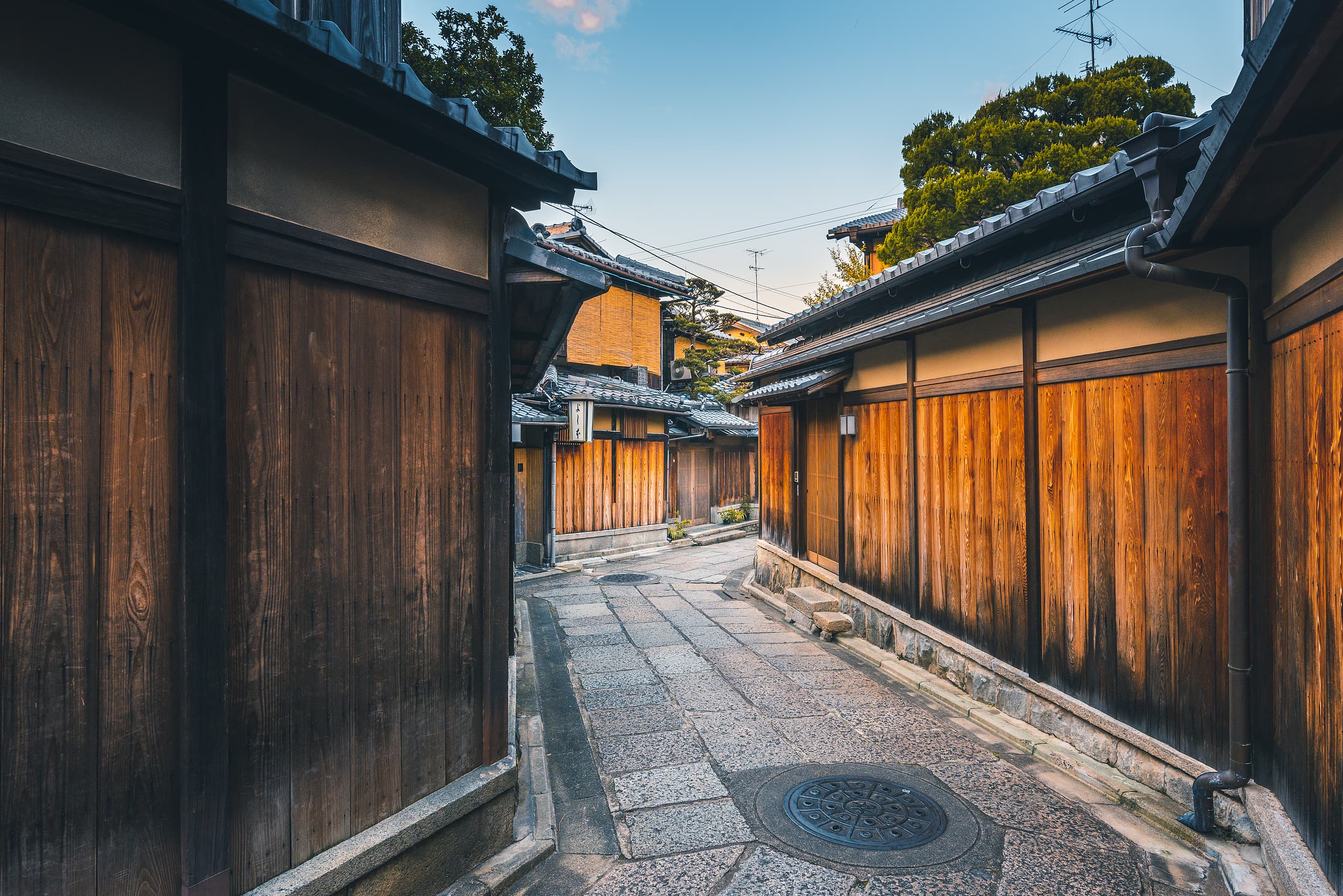
Ishibe Alley, or Ishibei-koji, is a remarkably preserved narrow lane nestled in Kyoto's historic Higashiyama district. It stands as a testament to traditional Kyoto residential architecture from the Edo and Taisho periods, featuring two-story wooden buildings with black lattice windows and distinctive wooden walls. Originally conceived as a high-end rental street for banquet venues, it now hosts a mix of private residences and exclusive restaurants, offering a glimpse into a bygone era.
Visitors consistently praise the alley's quiet, secluded atmosphere, which provides a stark contrast to the bustling main streets nearby. Many describe feeling transported back in time, appreciating the opportunity for peaceful walks and photography amidst the traditional scenery. The winding, maze-like nature of the alley, with its multiple entrances and hidden corners, adds to its charm. Reviewers frequently highlight the alley as an ideal spot for taking photos, especially when dressed in traditional kimonos, enhancing the sense of immersion in Kyoto's historical landscape.
To make the most of your visit, aim for early mornings or late evenings to experience the alley at its most tranquil, as it can get slightly busier during peak tourist hours, though still less crowded than other attractions. While the alley is relatively short, taking only a few minutes to walk from end to end, many visitors recommend spending 30-60 minutes to leisurely explore, soak in the atmosphere, and capture photographs. Be mindful that this is a residential area; visitors are advised to maintain a low volume and avoid disturbing residents. Some signs explicitly prohibit photography in certain private areas.
Ishibe Alley is conveniently located between Kodai-ji Temple and Yasaka Shrine, and is vertically connected to Nene-no-michi (Nene Alley). From Kiyomizu-zaka, follow signs towards Nene-no-michi, and you will find entrances to Ishibe Alley branching off. The area is easily accessible by public transport; the nearest bus stops serve various lines connecting to Kyoto Station and other parts of the city. Walking from Gion-Shijo Station (Keihan Line) or Kawaramachi Station (Hankyu Line) takes approximately 15-20 minutes, offering a pleasant stroll through the historic district.
The primary complaint from visitors revolves around the strict photography rules in certain sections, aimed at protecting residents' privacy. To mitigate this, always look for signs indicating photography restrictions and respect them. Focus your photography on the general streetscape and architectural details rather than individual homes. Remember that while it's a beautiful photo spot, it's also a living neighborhood, so quiet contemplation is often more appropriate than an extensive photoshoot.