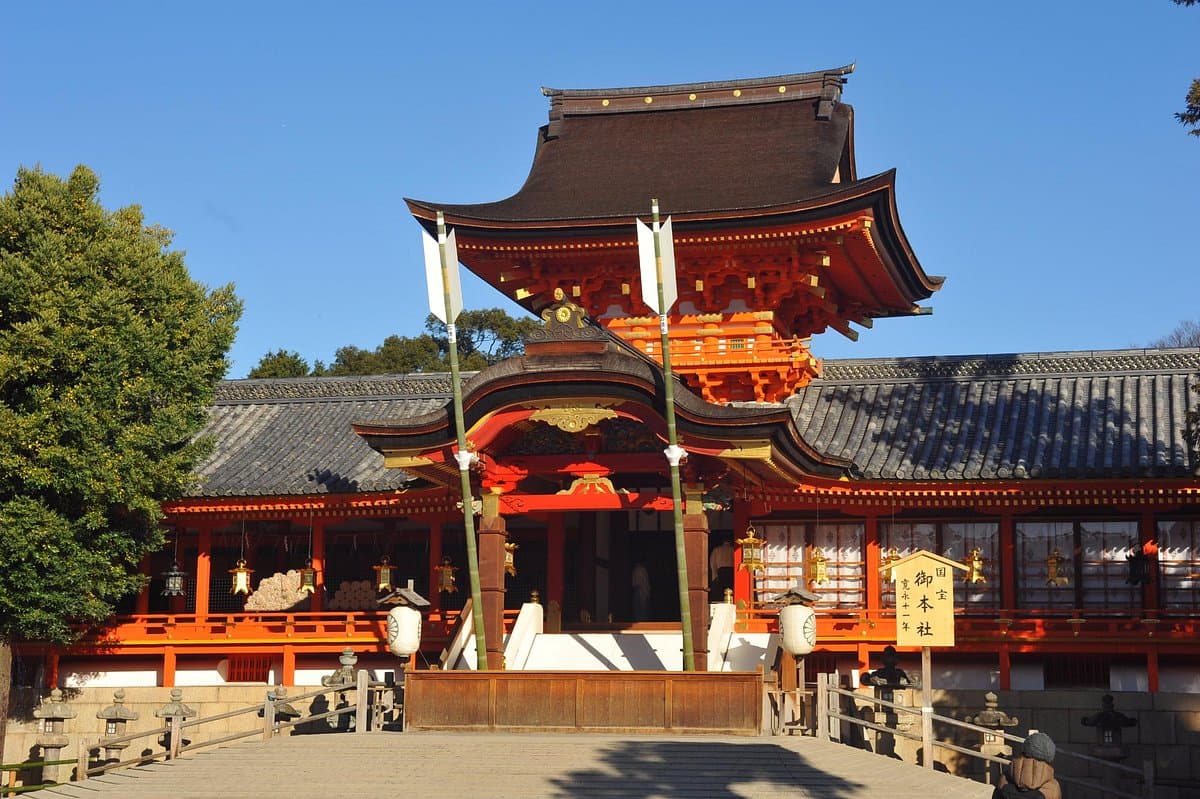
Iwashimizu Hachimangu is one of Japan's most important Hachiman shrines, with a history dating back to the early Heian period. It is considered one of the three major Hachimangu shrines in the country, and its main building has been designated a National Treasure. The shrine is renowned for its distinctive Hachiman-zukuri architectural style, vibrant red and gold decorations, and intricate woodcraft, offering a deep dive into Japanese religious and artistic heritage.
Visitors frequently highlight the shrine's peaceful ambiance and the refreshing absence of large tourist crowds, especially when compared to more central Kyoto attractions. Many appreciate the authentic experience it provides, noting the beauty of the main shrine and the detailed craftsmanship. Reviewers often mention the impressive views of Kyoto City from the mountain, which are particularly striking during autumn. The unique architectural features, such as the 'eye-piercing monkey' gate and the Golden Raindrops donated by Oda Nobunaga, are frequently cited as points of interest.
For a rewarding visit, plan to spend about 2-3 hours exploring the shrine grounds. While the shrine is beautiful year-round, autumn is particularly recommended for its vibrant foliage. Many visitors suggest taking the cable car up the mountain for convenience and then walking down the scenic path if time permits. If you have a Keihan one-day digital ticket, the cable car fare might be included. Consider visiting in the late afternoon for a quieter experience, though some reviewers note that New Year's can be very crowded. Bringing comfortable walking shoes is advisable, whether you choose to walk or take the cable car, as there is still some walking involved on the shrine grounds.
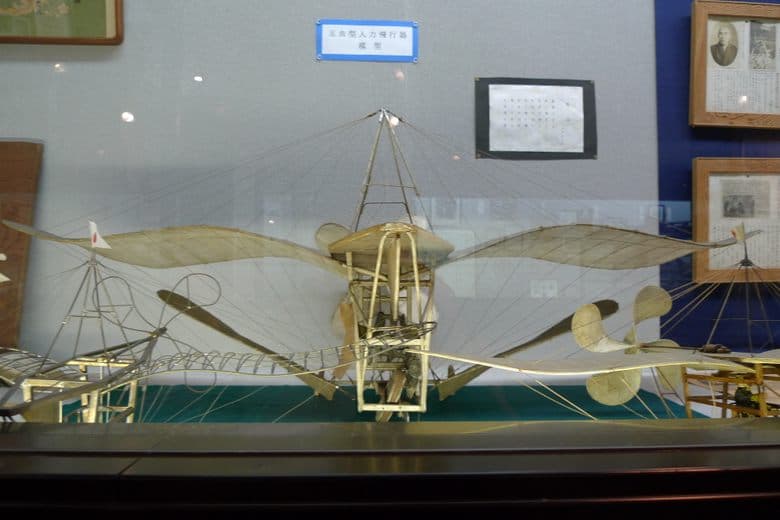
The most common way to reach Iwashimizu Hachimangu is by taking the Keihan Line to Iwashimizu Hachimangu Station (formerly Yawatashi Station). From there, the cable car station is just a short walk away. The cable car ride itself is part of the experience, offering scenic views as it ascends Mount Otoko. Alternatively, for those who prefer hiking, there are walking paths from the station to the shrine, which reviewers describe as manageable and not overly strenuous, taking about 15-20 minutes. For drivers, there are free parking lots available on the mountain, including one near the Edison Monument.
A common complaint among visitors is the ongoing renovation work on some parts of the shrine, such as the Minami-somon Gate, which can obscure certain views or features. To mitigate this, check the official website for renovation schedules before your visit. While some reviewers mention the shrine being less grand than major Kyoto attractions, its appeal lies in its historical significance and tranquil atmosphere, making it a worthwhile visit for those seeking a deeper cultural immersion.