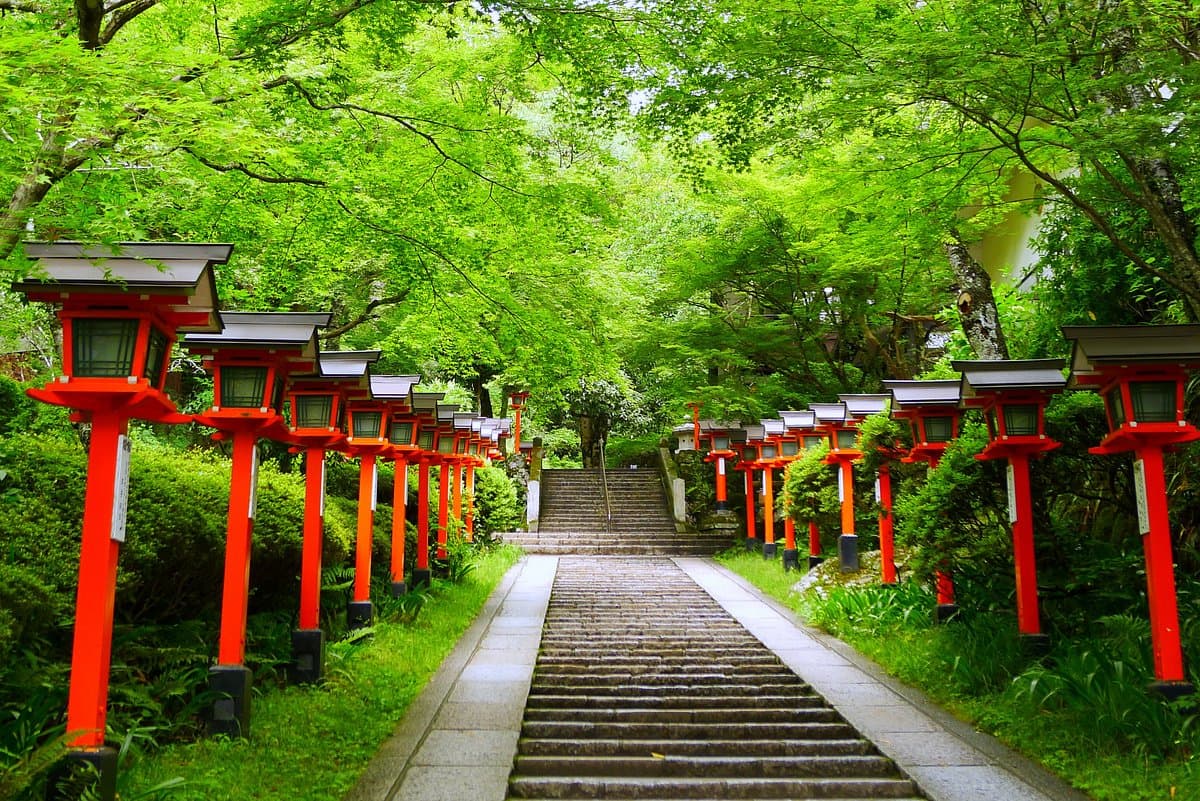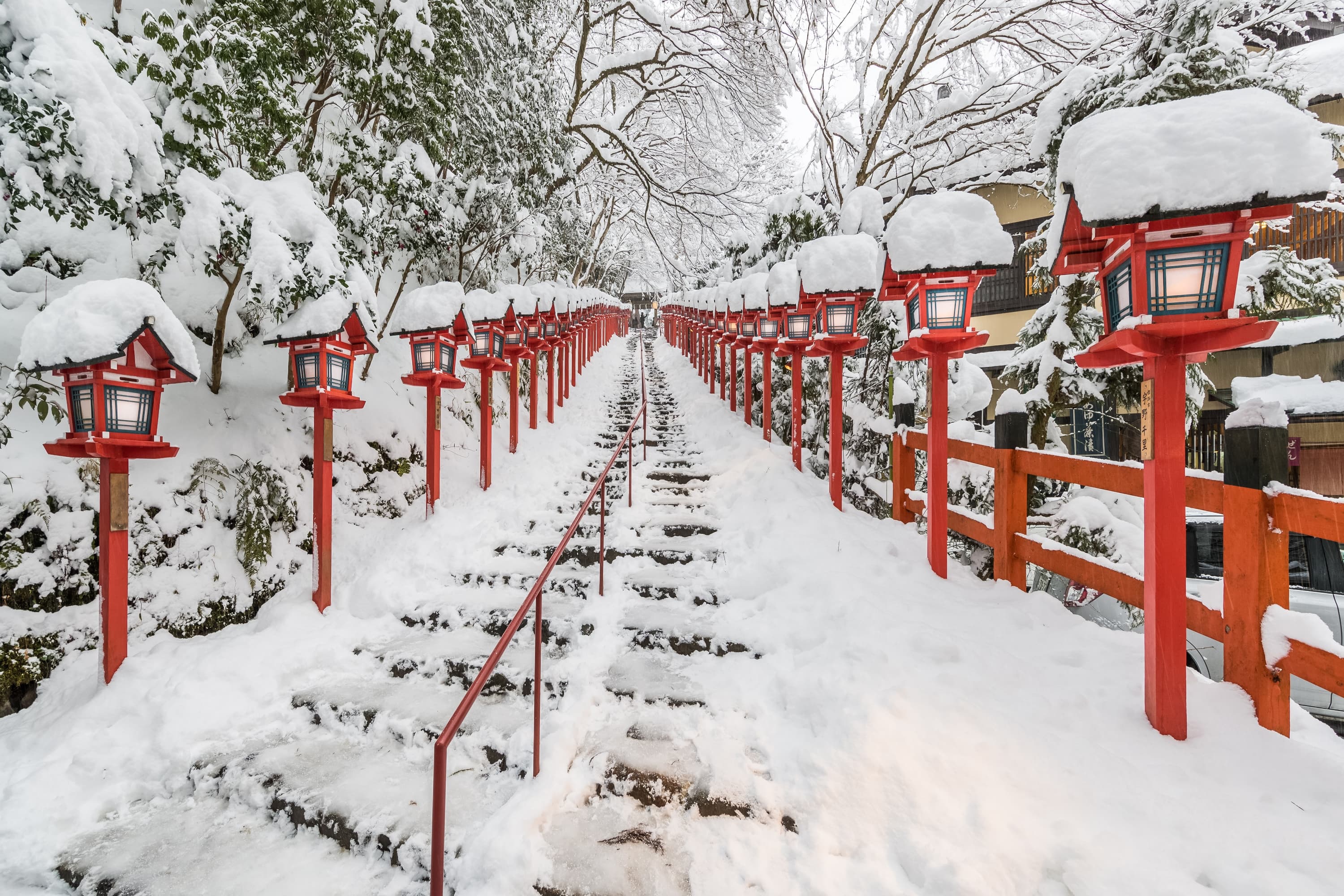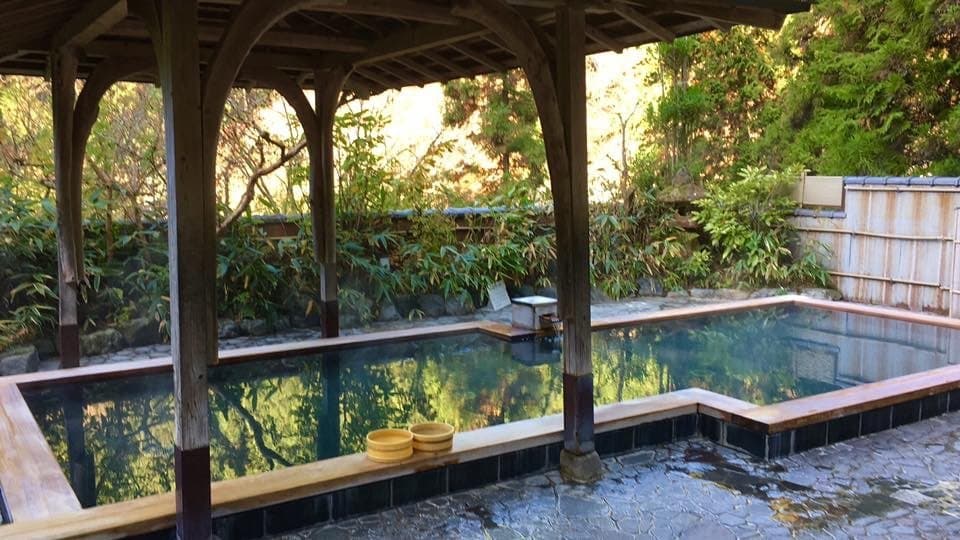
Kurama Onsen is a natural hot spring facility located in the rural Kurama area, about 30 minutes by tram from central Kyoto. It is renowned for its open-air baths (rotenburo) that offer picturesque views of the surrounding mountains, which change beautifully with the seasons—from fresh greenery in spring and summer to vibrant autumn leaves and snowy landscapes in winter. While it operates as a hot spring hotel, many visitors come specifically for a day trip to enjoy the baths.
Visitors consistently praise the relaxing atmosphere and the beautiful natural setting, especially the mountain views from the outdoor baths. Many find it to be a perfect way to unwind after hiking Kurama Mountain or visiting Kurama Temple. The convenience of a free shuttle service from Kurama Station is frequently highlighted, making access straightforward. Reviewers often mention the benefit of bringing your own towel to save on costs. The onsen is generally considered foreigner-friendly, with some noting that tattoos are accepted for international guests, which is a significant plus in Japan.
For the best experience, consider visiting in the morning or early afternoon to avoid the crowds that tend to gather later in the day. Several reviewers suggest arriving before dark to fully appreciate the mountain scenery from the open-air bath, though others enjoy the starry sky at night. A visit typically lasts 1-2 hours for just the baths. If you plan to hike Kurama Mountain, many recommend entering from the west gate, crossing the mountain, and then heading to the onsen. Bringing your own towel can save you money, as towel rental is an additional cost.
To reach Kurama Onsen, take the Eizan Railway (Eiden) from Demachiyanagi Station in Kyoto to Kurama Station. The journey takes approximately 30 minutes. From Kurama Station, there is a free shuttle bus service to the onsen, which runs about every half hour. Alternatively, the onsen is a pleasant 15-minute walk from the station. Some visitors purchase the "Kurama Kibune Sansaku" one-day pass at Eizan Railway Demachiyanagi Station, which often includes round-trip train tickets, Kurama Temple admission, and the open-air bath fee.
Common complaints include the hot spring pools being small and potentially crowded, especially in the afternoon or evening. Some visitors have noted issues with other guests not following onsen etiquette, such as using phones or not showering before entering the baths. To mitigate this, consider visiting during off-peak hours, such as weekday mornings, for a more serene experience. While the staff are generally friendly, some reviewers mention a lack of English proficiency, so having basic Japanese phrases or a translation app can be helpful.