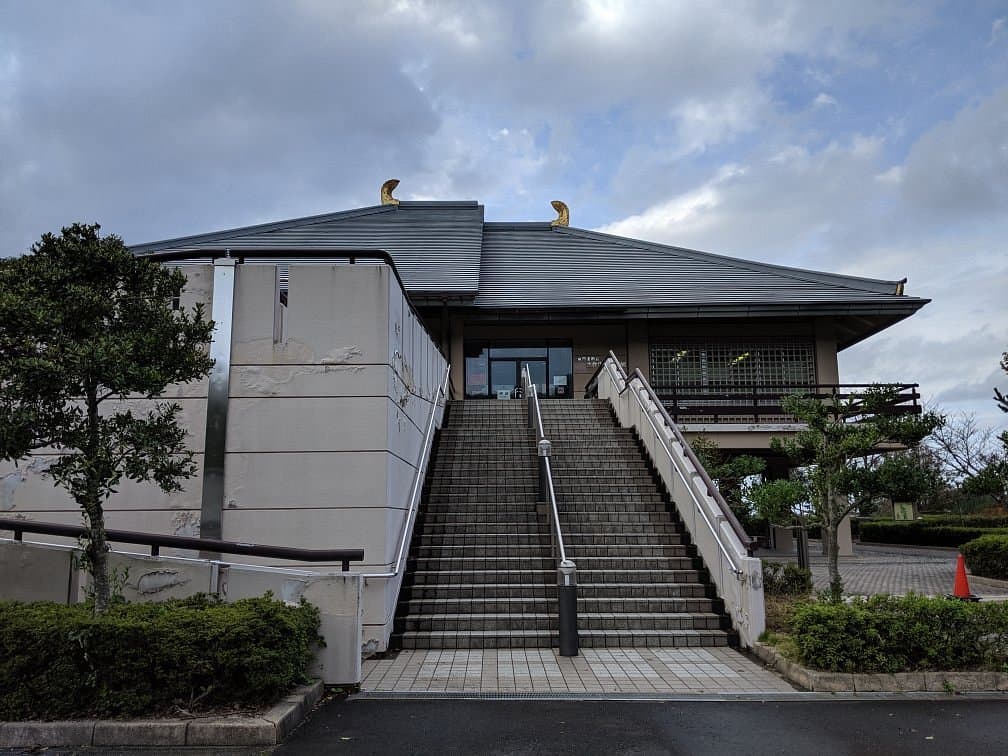
The Kyotango Municipal Museum of The Ancient City of Tango serves as a repository for the rich archaeological findings from the Tango region, an area historically significant for its ancient burial mounds (kofun) and early cultural development. It provides insights into the lives and customs of people who inhabited this part of Japan centuries ago, making it a valuable resource for those interested in pre-modern Japanese history and archaeology.
Visitors consistently praise the museum for its well-maintained exhibits and the peaceful, uncrowded environment, which allows for a contemplative experience. Reviewers often highlight the opportunity to see genuine artifacts up close, including pottery, tools, and funerary objects, which offer a tangible connection to the past. The museum's focus on local history is a recurring positive theme, as it provides a unique perspective often overlooked in larger, more general museums.
For a meaningful visit, allocate approximately 1 to 2 hours. The museum is generally quiet, making any time of day suitable, though mornings might offer the most serene experience. There are no specific items to bring beyond what you would typically carry for a day out. Given its specialized nature, it's advisable to visit with a pre-existing interest in archaeology or local history to fully appreciate the exhibits.
The museum is located at 108, Tangocho, MIya, Kyotango, Kyoto Prefecture. Public transportation options to this specific area might be limited, and visitors often find that driving or taking a taxi is the most convenient way to reach it, especially if coming from further afield within Kyotango or neighboring towns. Parking availability is generally not an issue, as the museum caters to a smaller number of visitors.
A common observation from visitors is the potential language barrier, as information might not always be extensively available in English. To mitigate this, consider using a translation app on your smartphone for exhibit descriptions or researching the Tango region's history beforehand to provide context for what you will see.