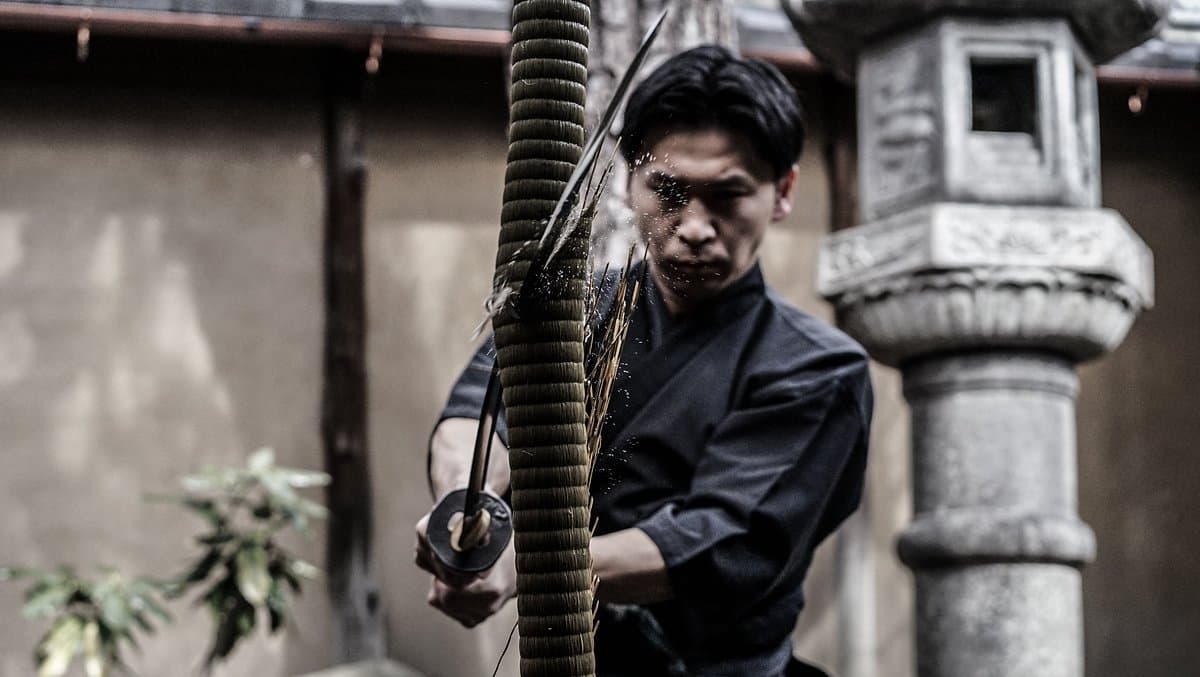
The Kyoto Samurai Experience offers a unique opportunity to delve into the rich history and philosophy of the samurai. Housed in an authentic, beautifully restored samurai residence dating back to the Edo period, this experience goes beyond a typical museum visit by providing a hands-on, immersive journey into the samurai way of life. Visitors learn about the historical context, the significance of the katana, and the spiritual aspects of samurai culture, all within an atmospheric setting.
Reviewers consistently praise the engaging and knowledgeable staff, including fluent English-speaking translators and passionate sword masters. Many highlight the opportunity to handle real katanas, practice basic sword techniques with a bokken (wooden sword), and even try cutting targets with a real sword as the most exciting parts of the experience. The combination of historical lessons, Zen meditation, and practical sword training is frequently mentioned as a well-rounded and deeply satisfying program. Families with teenagers often find this activity particularly enjoyable, noting its ability to captivate and educate all age groups.
To make the most of your visit, it's advisable to book in advance, especially during peak season, as slots can fill up quickly. The experience typically lasts around 1.5 to 2 hours, which visitors generally find to be an ideal duration. While some wish for more time practicing with the katana, the current structure provides a comprehensive overview without feeling rushed. Dress comfortably, as you will be moving and practicing sword stances. Some visitors recommend arriving a little early to settle in. Be aware that while photos are often taken by staff, some reviewers have had issues accessing them afterward, so it might be wise to confirm the photo delivery method during your visit.
The Kyoto Samurai Experience is located at 111 Inabacho, Nakagyo-ku. It is conveniently accessible by public transport. The nearest subway station is Karasuma Oike Station (Karasuma Line or Tozai Line), from which it's a short walk. Alternatively, Shijo Station (Karasuma Line) is also within walking distance. For those using buses, several lines stop near the Shijo Karasuma intersection, which is a major hub. Given its central location, walking from many downtown Kyoto hotels is also a viable option. Parking can be challenging in central Kyoto, so public transport or taxis are generally recommended.
A minor complaint occasionally mentioned by visitors is the desire for more individual cutting practice with the real katana. While the experience provides a taste of this, it is primarily an introductory session. Another point raised by one reviewer was a last-minute cancellation by the company due to a tour group booking, which caused disappointment. To mitigate this, confirm your booking closer to the date, especially if traveling during busy periods. Overall, the overwhelmingly positive feedback suggests these are isolated incidents or minor points in an otherwise exceptional experience.
