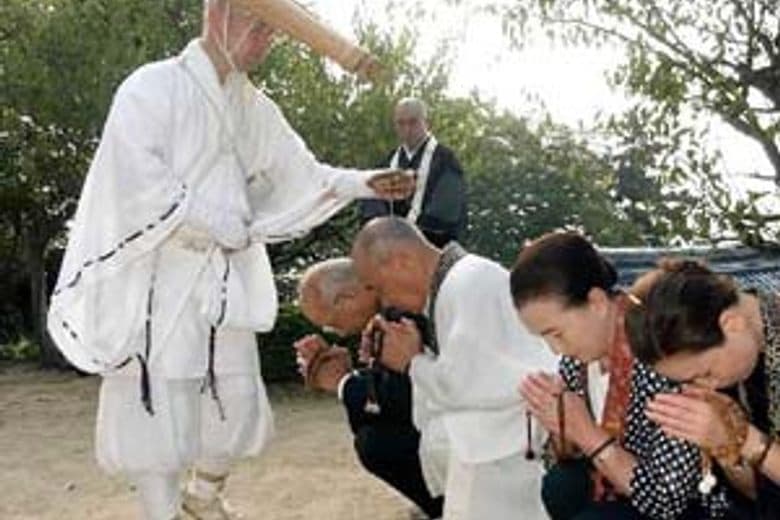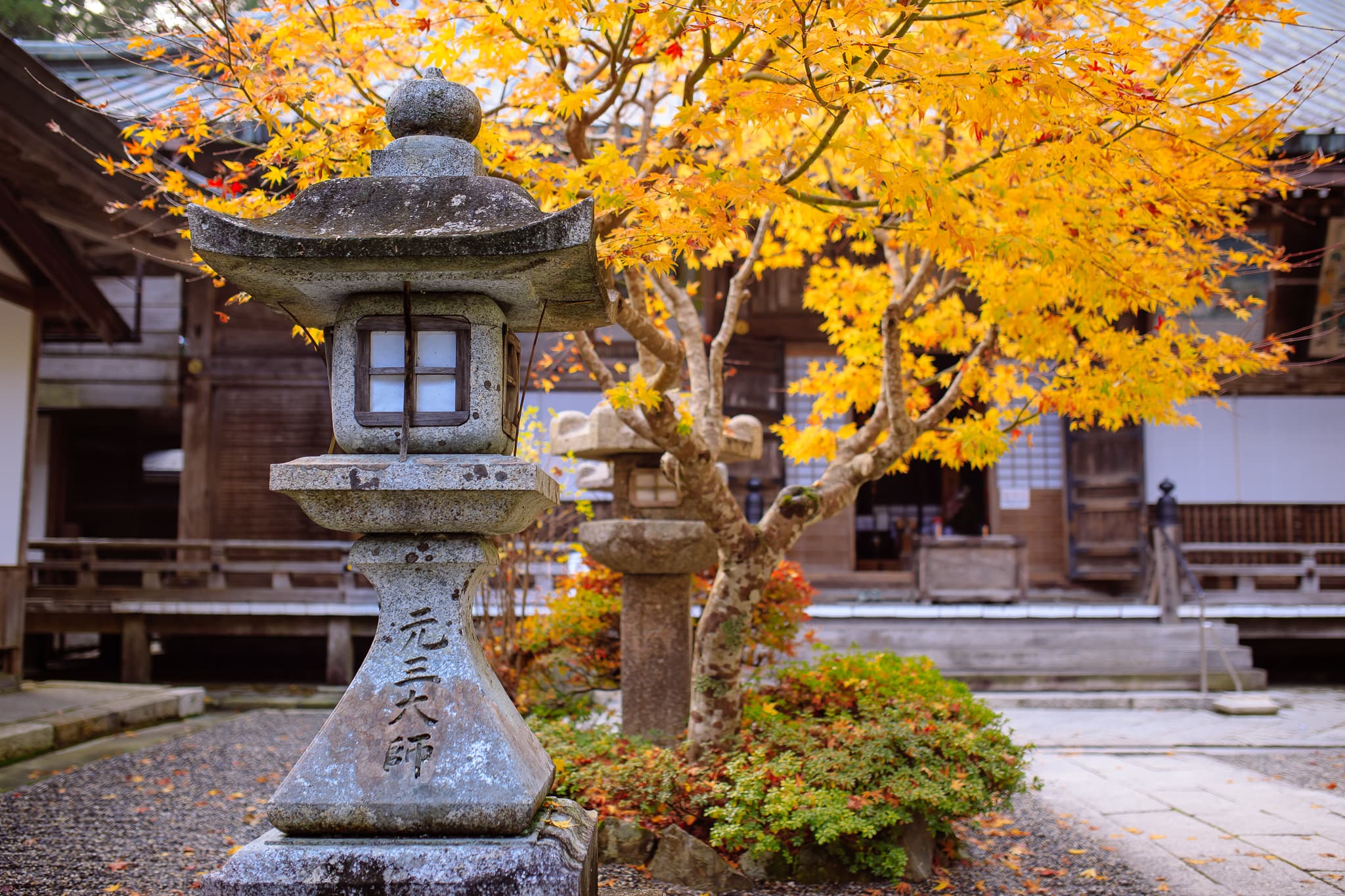
Mount Hiei is a sacred mountain located on the border of Kyoto and Shiga Prefectures, renowned as the birthplace of Japanese Tendai Buddhism and home to the expansive Enryaku-ji Temple complex, a UNESCO World Heritage site. It has historically served as a protective guardian for Kyoto and offers a profound cultural and spiritual experience amidst natural beauty.
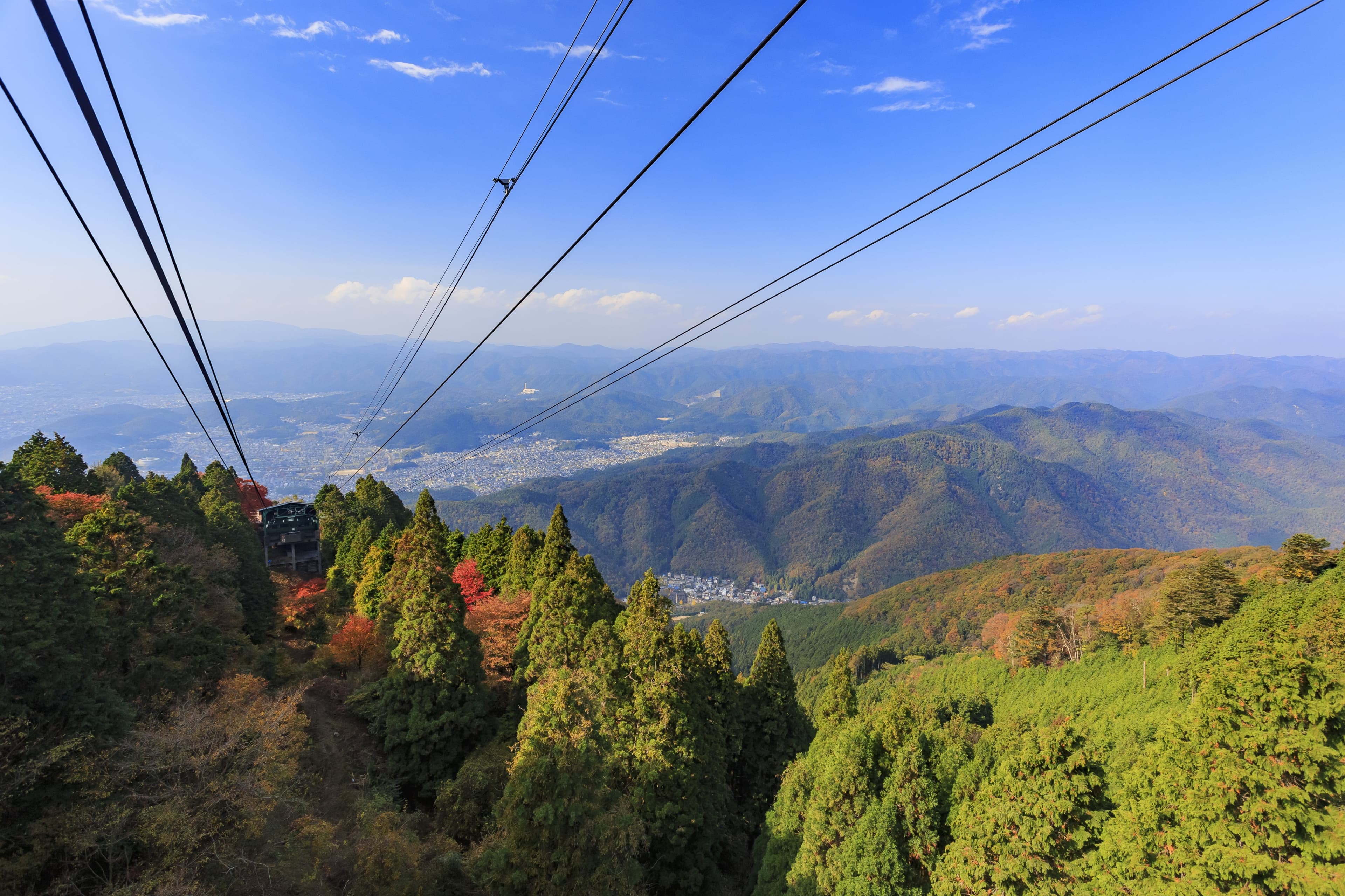
Visitors consistently praise the breathtaking panoramic views from the mountain, encompassing both Lake Biwa to the east and the city of Kyoto to the west. Many highlight the beauty of the mountain trails and the refreshing, cooler air compared to the city, making it an ideal spot for nature lovers and hikers. The autumn foliage season is frequently mentioned as a particularly stunning time to visit, with vibrant colors transforming the landscape. Reviewers also appreciate the historical significance of Enryaku-ji Temple, often referring to it as the "Mother Mountain of Japanese Buddhism," and recommend researching its history beforehand to enhance the visit.
To make the most of your visit, plan for a full day, as the area is vast and encompasses multiple temple zones (East Pagoda, West Pagoda, Yokokawa). Many suggest wearing comfortable walking shoes, especially if you plan to explore the various temple areas on foot. While the mountain offers a cooler climate, especially in summer, visitors in autumn note it can be chilly, so dressing in layers is advisable. Several reviewers recommend visiting during the autumn for the spectacular fall colors. For those interested in collecting temple stamps, Mount Hiei offers numerous opportunities.
Access to Mount Hiei is well-documented by visitors. You can reach the foot of the mountain by tram from Kyoto, followed by a 15-minute walk to a cable car station. Alternatively, a bus from Kyoto Station provides direct access. Once on the mountain, an internal bus system connects the different temple areas, allowing for efficient touring without a car. Some visitors mention using the Kansai Pass for free cable car rides. Driving is also an option, though tolls can be comparable to highway fees. For a unique experience, some suggest taking the ropeway down during "magic hour" to witness the sunset over Kyoto.
A common complaint among some visitors is the perceived high cost, particularly for entry fees and transportation (cable car/ropeway). One reviewer also noted difficulty with ticket refunds for incorrect routes. To mitigate this, it's advisable to thoroughly plan your route and ticket purchases in advance, considering passes like the Kansai Pass if applicable. While the mountain paths can be challenging for some, the internal bus system helps in navigating the extensive grounds, making it accessible even for those who prefer not to walk long distances.