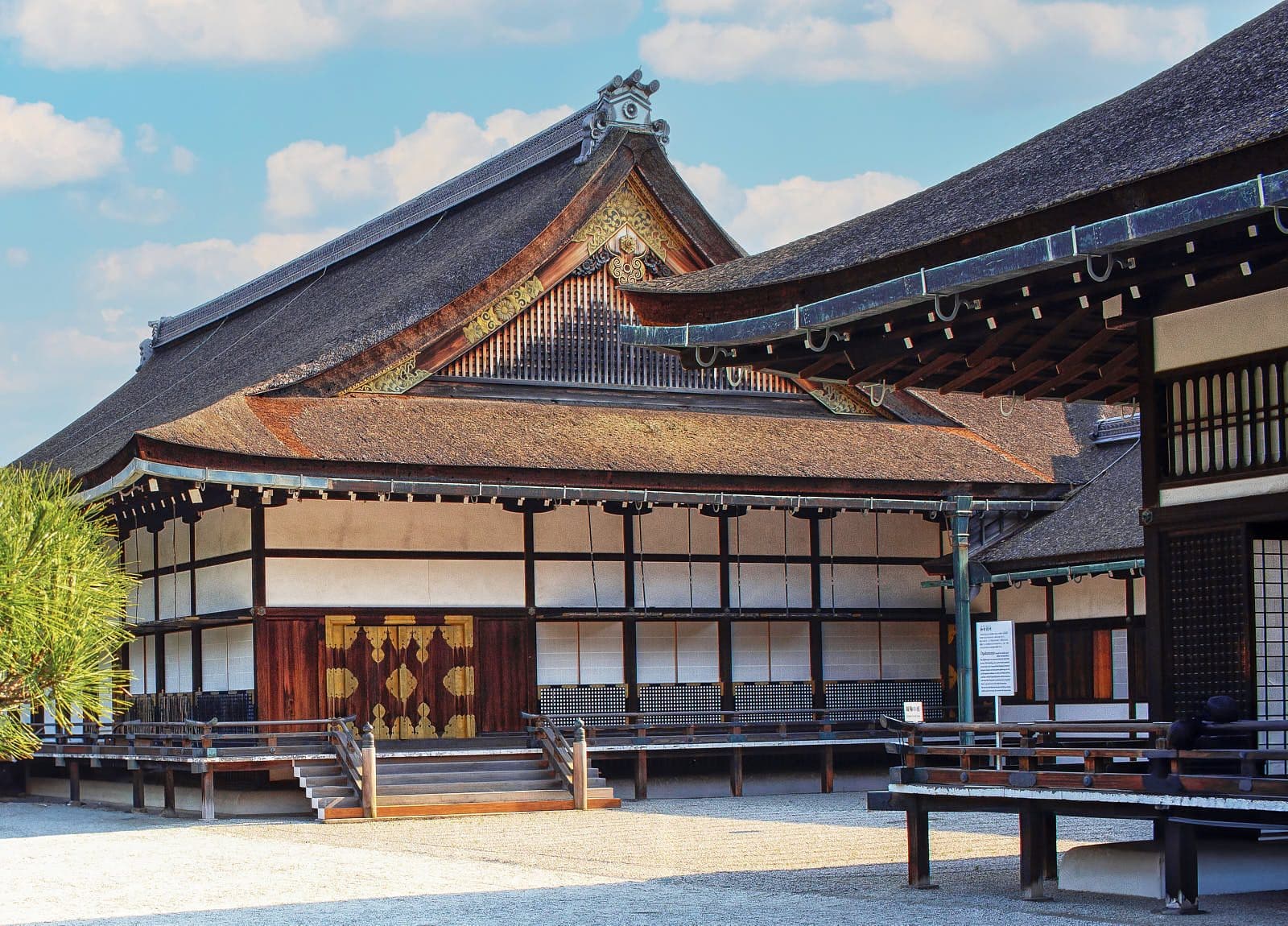
Nijō Castle is a UNESCO World Heritage site in Kyoto, serving as a powerful symbol of the Tokugawa Shogunate's influence during the Edo period. Originally built in 1603 as the Kyoto residence for Tokugawa Ieyasu, the first shogun, it later witnessed the end of the shogunate era. Its historical significance, combined with its unique architectural features and expansive gardens, makes it a pivotal destination for understanding Japan's feudal past.
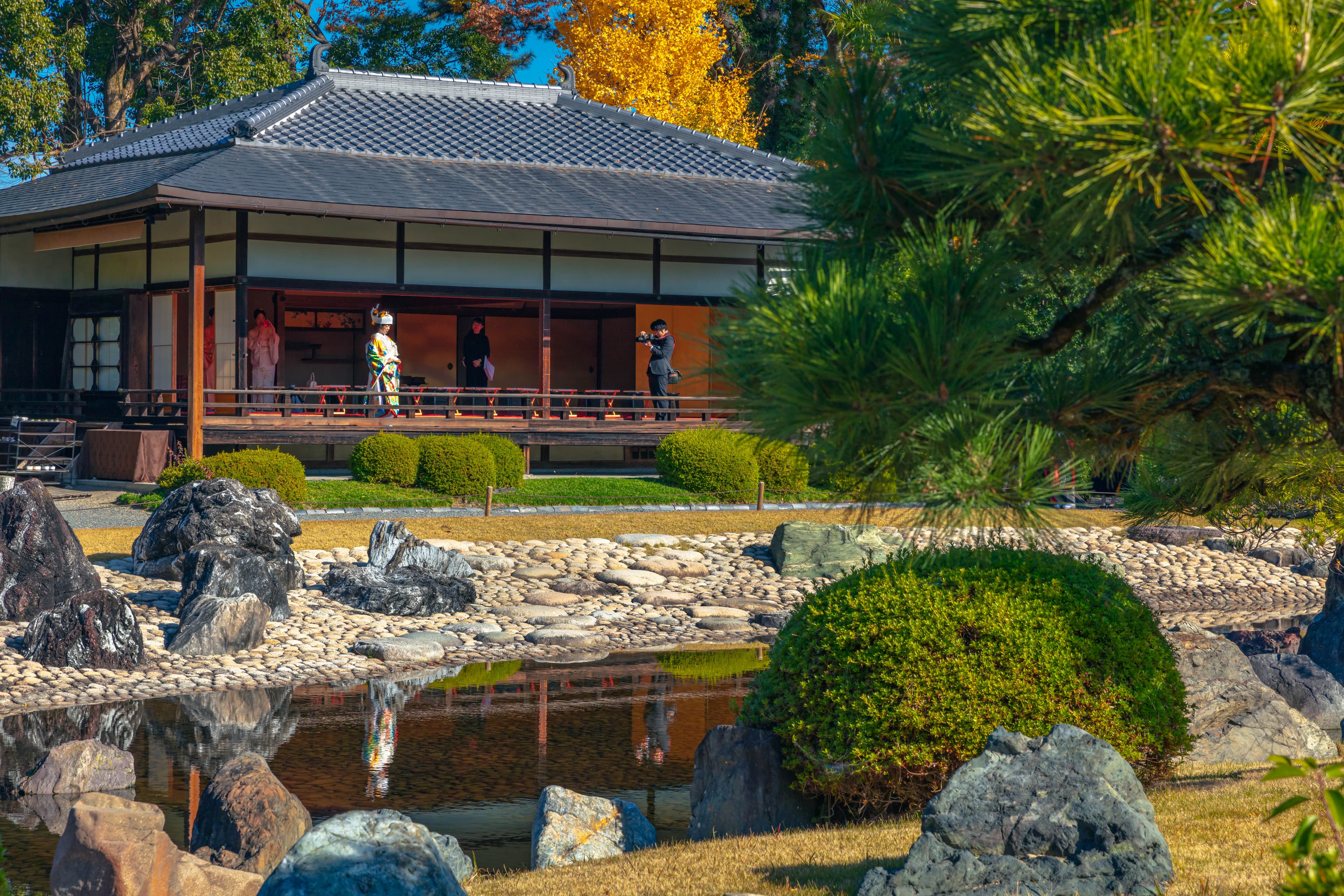
Visitors consistently praise the castle's well-preserved architecture, particularly the Ninomaru Palace with its intricate paintings and the famous 'nightingale floors' that audibly creak to alert against intruders. Many find the experience of walking through the shogun's former residence highly informative, especially with the aid of audio guides or detailed descriptions. The gardens, including the Ninomaru Garden, Honmaru Garden, and Seiryuen Garden, are frequently highlighted for their beauty and tranquility, providing a pleasant contrast to the palace interiors. During spring, the castle transforms into a popular spot for viewing cherry blossoms, with special night light-up events receiving enthusiastic reviews.
To make the most of your visit, plan to spend at least 2-3 hours exploring the grounds and palaces. Many reviewers recommend renting an audio guide (available in multiple languages for around 500-520 yen) at the entrance to fully appreciate the historical context and architectural details. Be prepared to remove your shoes before entering the Ninomaru Palace, and note that photography is strictly prohibited inside the buildings. While the castle is impressive year-round, the cherry blossom season (late March to mid-April) is particularly popular, though it also means larger crowds. Visiting early in the morning or later in the afternoon can help avoid peak times. Some visitors suggest focusing on the Ninomaru Palace and gardens if time is limited, as the Honmaru Palace often requires advance reservations or may have limited access.
Nijō Castle is conveniently located in central Kyoto and is easily accessible by public transport. Many visitors mention taking the subway; the nearest station is Nijojo-mae Station on the Tozai Line, which is directly in front of the castle's main gate. Buses also serve the area, with several lines stopping near the castle. For those staying in central Kyoto, it can even be reached by bicycle, as noted by some reviewers. Driving is generally not recommended due to limited parking and Kyoto's efficient public transportation system.
A common complaint among some visitors is the lack of original artworks inside the palaces, as many are replicas, with originals often housed in museums. While this can detract from the sense of authenticity for some, the replicas still convey the grandeur and artistic style of the period. Another point of contention is the occasional perception of staff being overly strict about rules, particularly regarding photography. To mitigate this, visitors should be mindful of all posted signs and respect the regulations to ensure a smooth experience. Some also find the castle's interior to be less visually engaging than its exterior or gardens, especially if they are not deeply invested in Japanese history; however, engaging with the provided historical information can significantly enhance the experience.