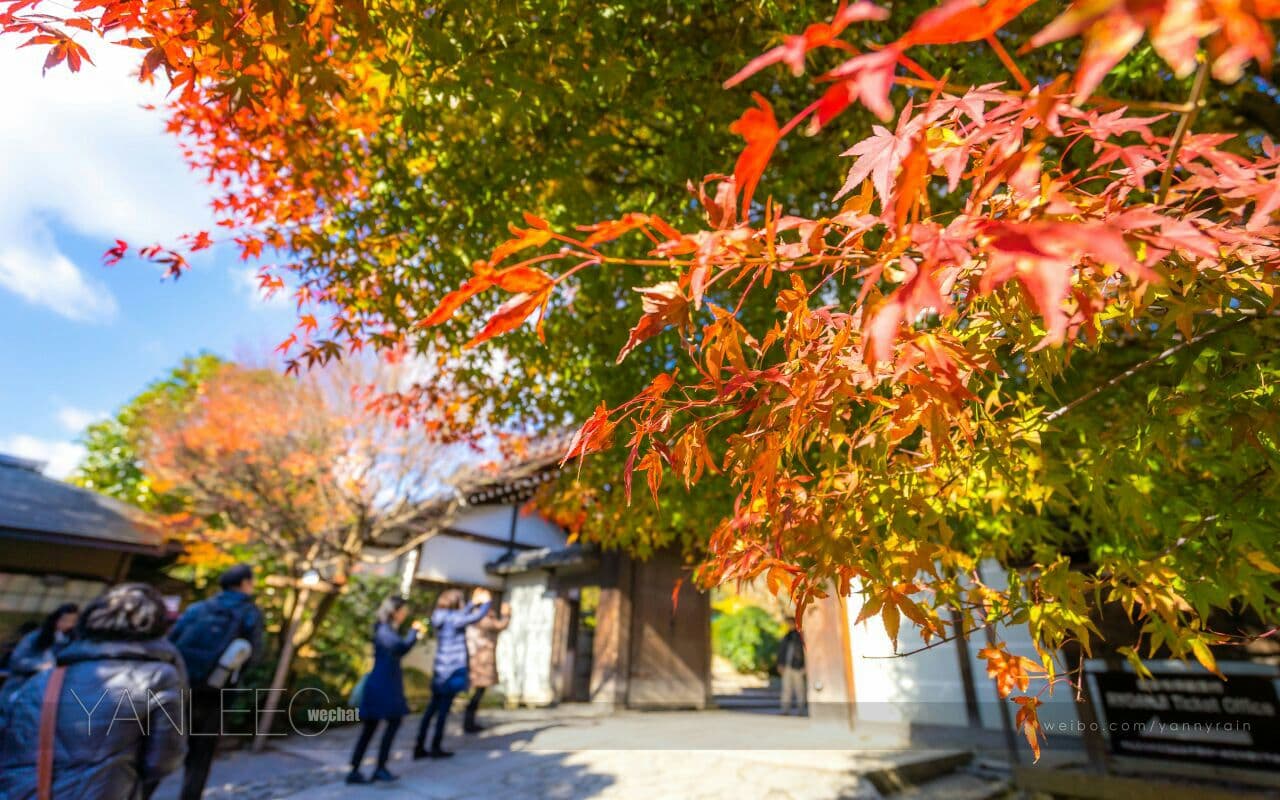
Ninna-ji Temple is a significant Buddhist temple in Kyoto, recognized as a UNESCO World Heritage site. Founded in 888 AD, it served as a royal temple where several emperors became monks, earning it the nickname "Gomuro Palace." Its historical importance is reflected in its grand architecture, including the impressive Niomon Gate and a five-story pagoda, and its serene gardens.
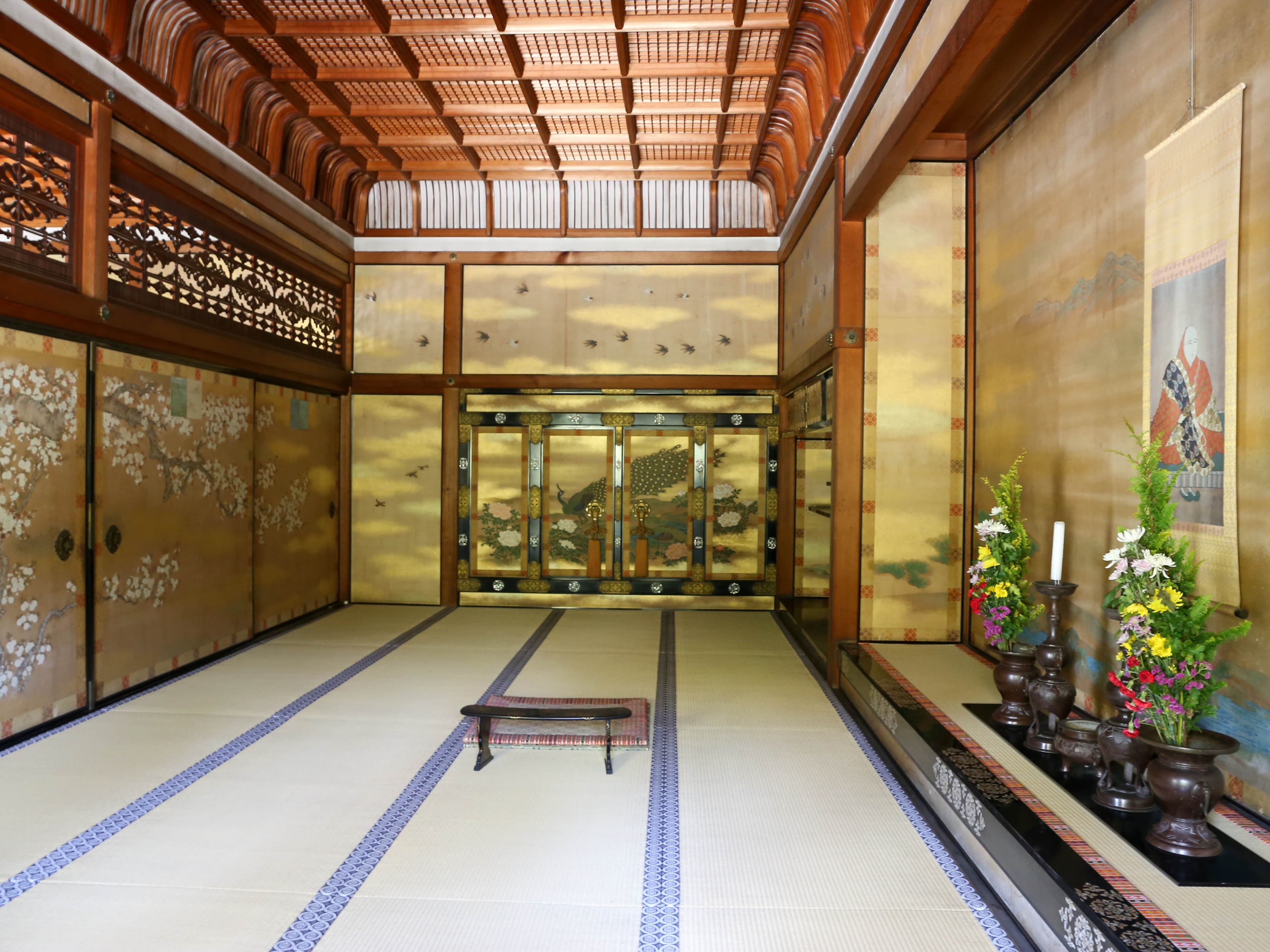
Visitors consistently praise Ninna-ji for its tranquil atmosphere, especially when compared to more crowded Kyoto attractions. Many highlight the beauty of its gardens, particularly the rock garden and the pond area, noting the exquisite artwork and architecture within the Goten complex. The temple is especially famous for its late-blooming Omuro cherry blossoms, which draw crowds in mid-April, offering a unique cherry blossom viewing experience after other varieties have faded. Reviewers often recommend visiting during this season for the spectacular display, though some note that outside of cherry blossom season, the temple can feel less distinctive compared to other Kyoto temples.
To make the most of your visit, allocate at least 1.5 to 2 hours to explore the extensive grounds and paid areas. Many suggest arriving early in the morning, shortly after opening, to experience the temple with fewer crowds and enjoy a more peaceful atmosphere. While the main grounds are often free to enter, there is typically a fee to access the Goten palace buildings and their gardens, which many reviewers consider well worth the cost for the intricate architecture and serene landscapes. Some visitors recommend skipping the treasure house (Reihokan) if English information is not provided, as the lack of context can diminish the experience. Dress comfortably as walking is necessary to see everything, and be prepared to remove your shoes in certain temple buildings.
Ninna-ji Temple is conveniently located and accessible by public transport. Many visitors recommend taking the JR Bus from Kyoto Station to Omuro Higashi, which is a short walk from the temple entrance. Alternatively, it's easily reached by the Keifuku Randen Kitano line, with Omuro-Ninnaji Station just a 1-2 minute walk away. For those combining their visit with nearby attractions, the 59 bus route is frequently mentioned as a good option, connecting Ninna-ji with Ryoan-ji and Kinkaku-ji. Reviewers note that the temple is an easy 10-minute walk from Ryoan-ji Temple along a well-traveled road, making it feasible to visit all three World Heritage sites in one half-day trip.
A common complaint, particularly during peak cherry blossom season, is the large crowds and long lines at bus terminals and ticket offices. To mitigate this, consider visiting during off-peak hours or seasons if cherry blossoms are not your primary focus. Some visitors also express disappointment if they pay for specific areas, like the gardens, only to find them under construction; it's advisable to check the temple's official website for any ongoing renovations before your visit. Additionally, while the main grounds are free, the paid sections are often highlighted as offering the most unique and beautiful experiences, so budgeting for these is recommended.