Nonomiya-jinja Shrine is a historic Shinto shrine located within the famous Arashiyama Bamboo Grove in Kyoto. Its significance stems from its ancient role as a purification site for imperial princesses before they served at Ise Grand Shrine, and its prominent mention in the classic Japanese novel, 'The Tale of Genji'. The shrine is particularly noted for its distinctive black torii gate, made from unpeeled oak, which sets it apart from the more common vermilion gates found elsewhere.
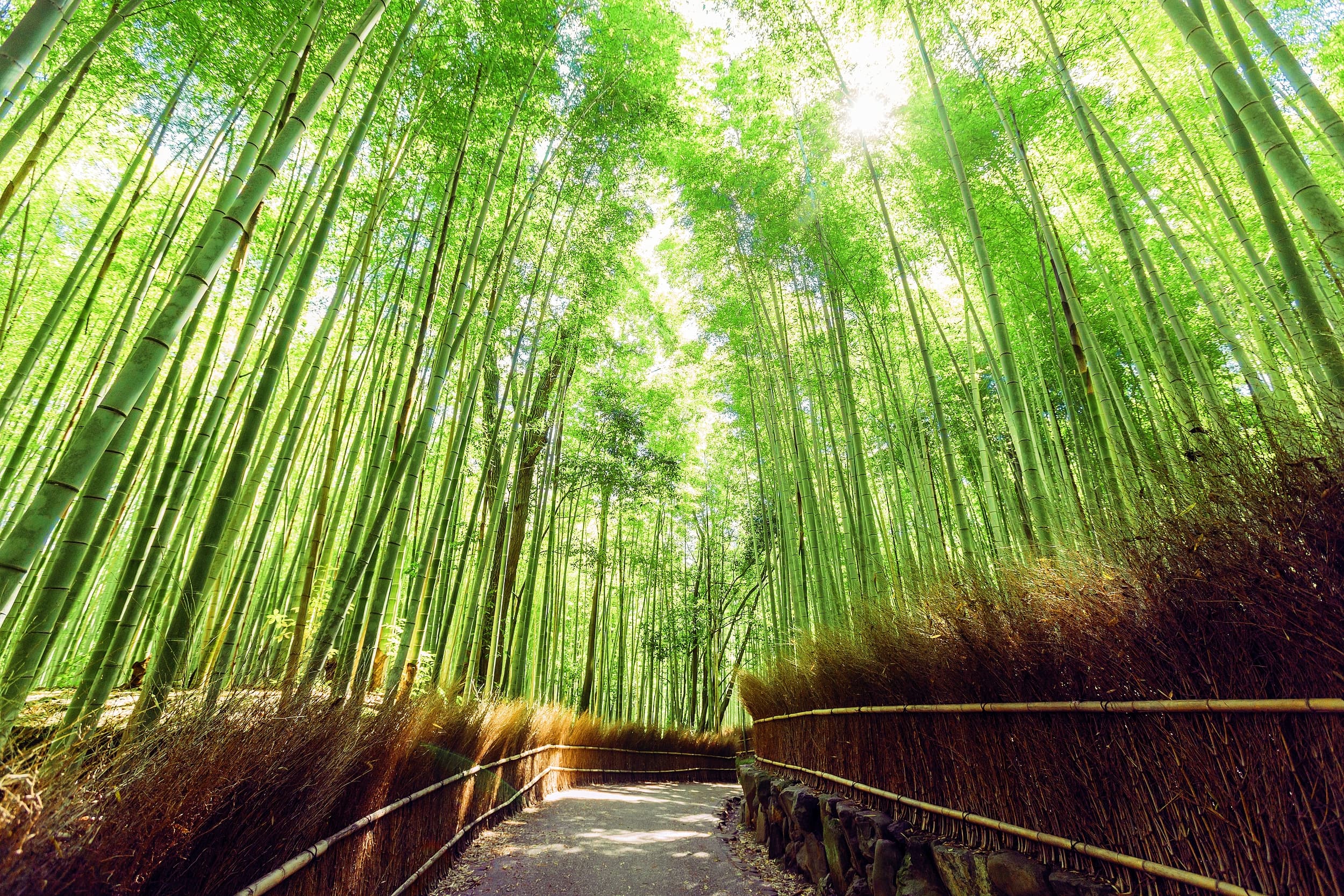
Visitors consistently praise the shrine's tranquil atmosphere, despite its location in a popular tourist area. Many are drawn to its spiritual offerings, particularly the prayers for marriage, fertility, and safe childbirth, with several reviewers mentioning the effectiveness of their wishes. The moss garden and the surrounding bamboo create a picturesque setting that many find beautiful and artistic. Reviewers often highlight the unique architectural style and the pleasing integration of the shrine with its natural surroundings.
To make the most of your visit, allocate about 20-40 minutes to explore the shrine. It is best visited in the morning to avoid the largest crowds, especially if you wish to experience its tranquility. While the shrine itself is small, visitors recommend taking time to observe the details, such as the various prayer facilities and the moss-covered grounds. There is no entry fee, making it an accessible stop for all travelers. Consider bringing a small offering if you plan to make a wish, though this is not mandatory.
Nonomiya-jinja Shrine is easily accessible as it is situated directly along the path through the Arashiyama Bamboo Grove. From Arashiyama Station (Sagano Scenic Railway), it's approximately a 10-minute walk. Many visitors combine their visit with Tenryu-ji Temple, which is adjacent to the shrine, or the scenic railway. Public transport options like the JR Sagano Line to Saga-Arashiyama Station or the Keifuku Arashiyama Line to Arashiyama Station provide convenient access, followed by a short walk through the bamboo forest.
A common observation from visitors is the shrine's small size, which can lead to it feeling crowded, especially during peak tourist seasons or late in the day. To mitigate this, arriving early in the morning is highly recommended. While some reviewers find it less impressive due to its scale, its historical and cultural depth, coupled with its beautiful setting, generally outweigh this concern for most visitors.