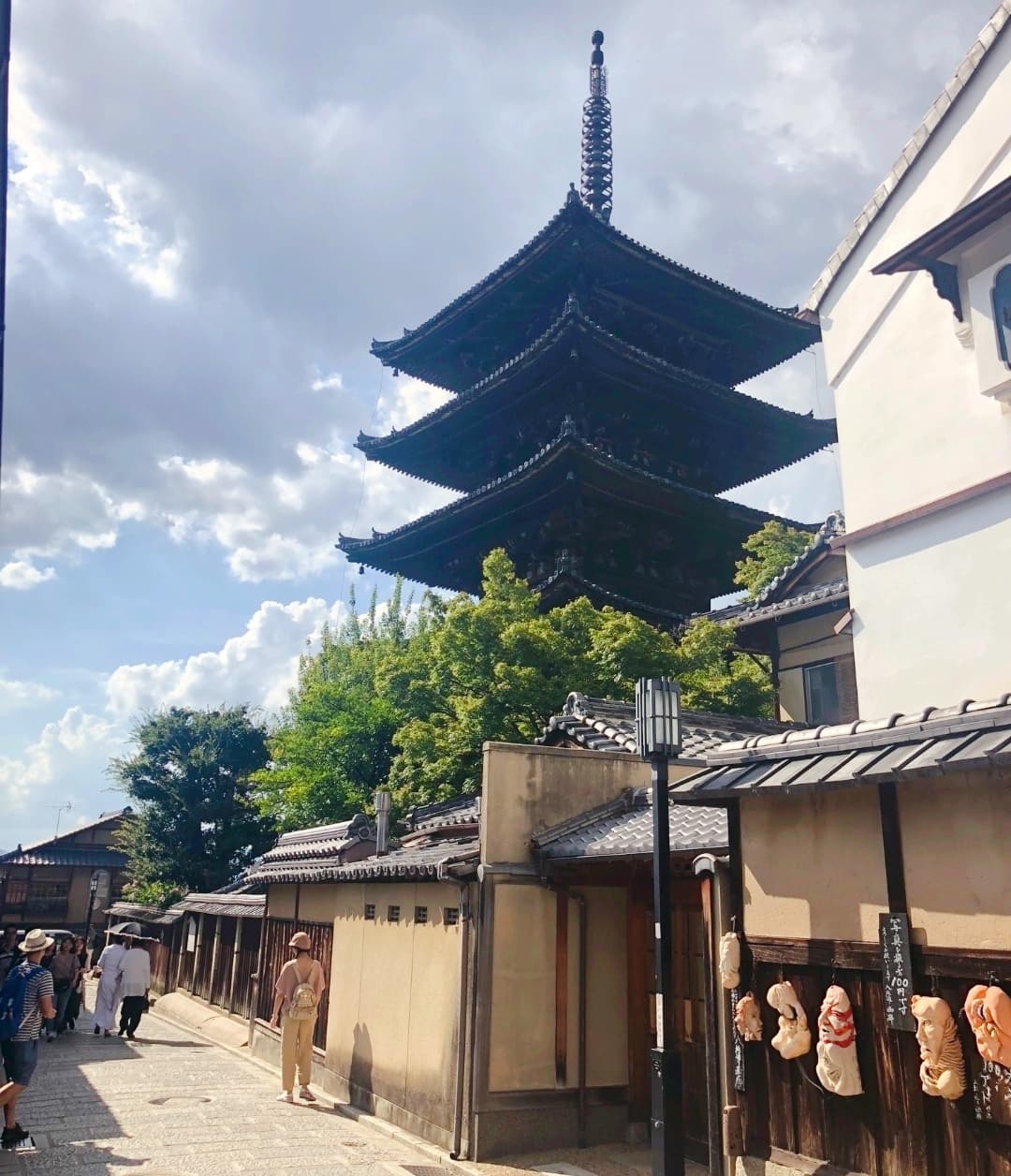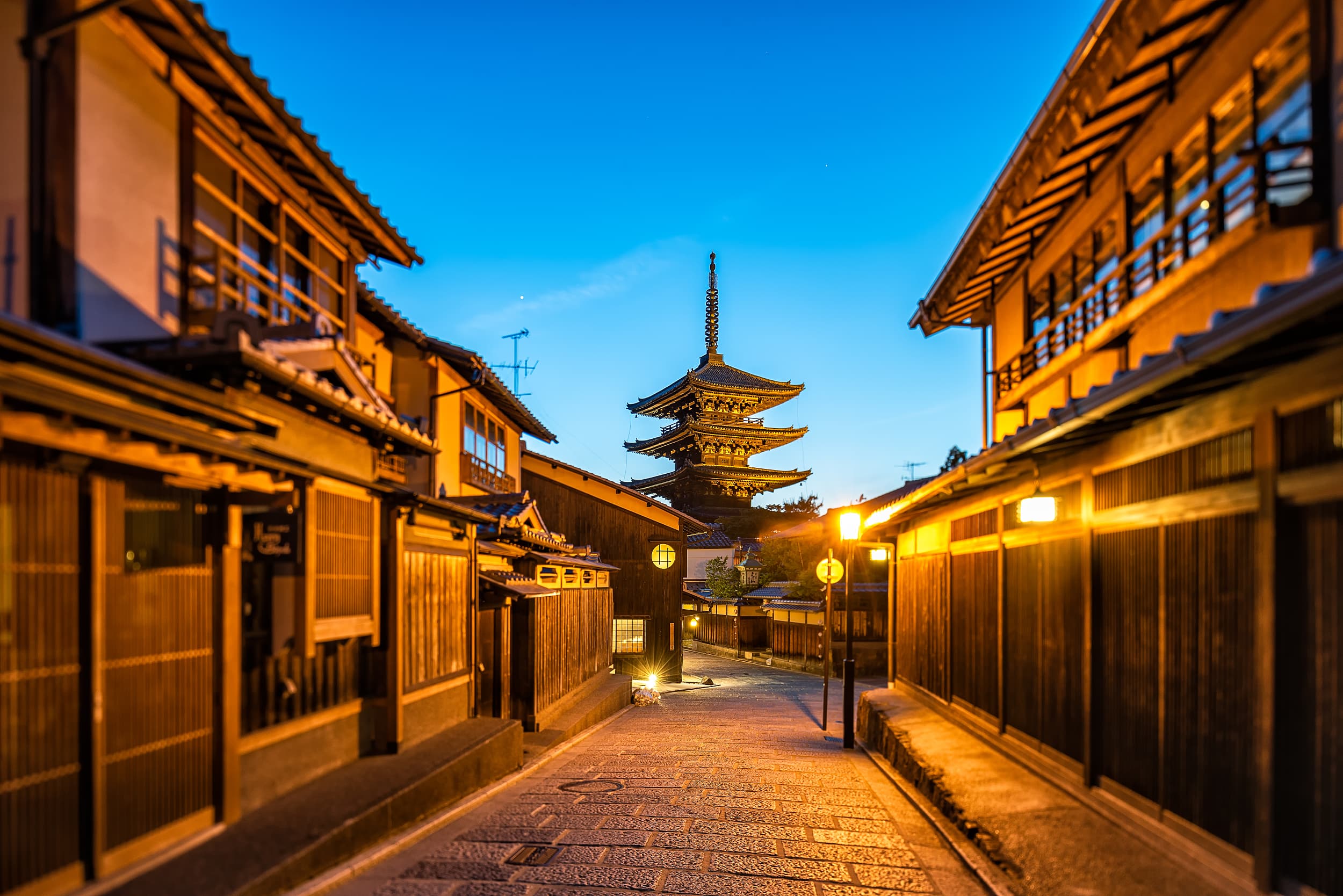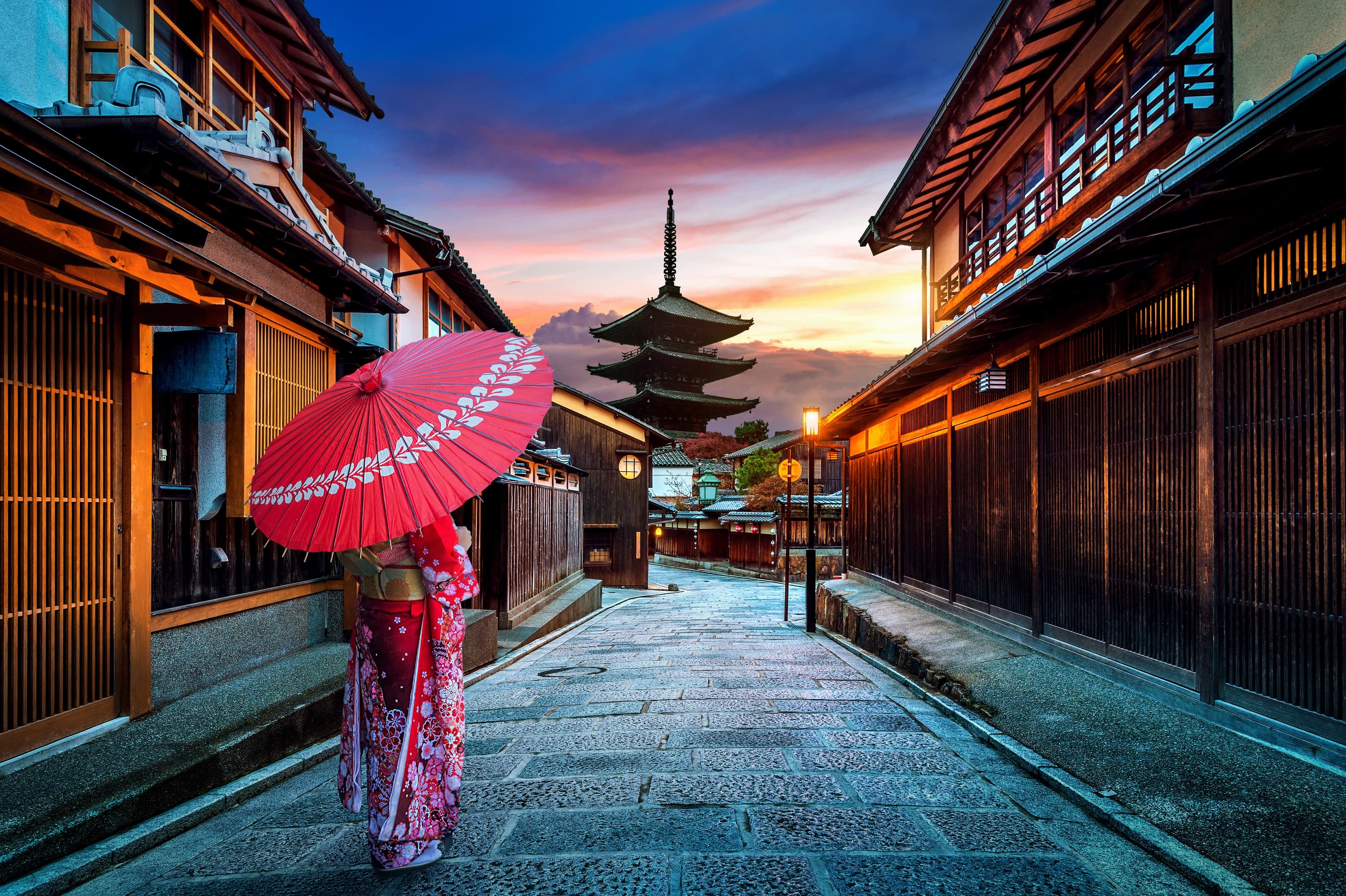
Sannenzaka and Ninenzaka are two iconic pedestrian streets in Kyoto's Higashiyama district, renowned for their preserved traditional Japanese architecture. These charming, stone-paved slopes, lined with centuries-old wooden machiya houses, offer a tangible connection to Kyoto's past. They serve as a vital pathway to Kiyomizu-dera Temple and other significant landmarks, making them a central part of any historical exploration of the city.
Visitors consistently praise the area's picturesque beauty and nostalgic atmosphere, often describing it as a journey back in time. The streets are celebrated for their unique shops selling traditional crafts, pottery, souvenirs, and a wide array of local snacks and sweets, including matcha-flavored items. Many enjoy the experience of seeing people dressed in kimonos, which adds to the traditional ambiance and provides excellent photo opportunities. The presence of the Yasaka Pagoda as a backdrop is frequently highlighted as a particularly stunning visual element.
To make the most of a visit, several reviewers strongly recommend arriving early in the morning, ideally between sunrise and 7:30 AM, or late in the evening after 7 PM, when most shops close. This allows for a tranquil experience, free from the overwhelming crowds that characterize midday. During peak hours, the streets can become extremely congested, making it difficult to appreciate the scenery or navigate comfortably. Many suggest allocating 2-3 hours to leisurely explore the shops, sample snacks, and take photos. It's advisable to wear comfortable shoes as the streets involve cobblestones and steps, which can be slippery when wet. Some visitors note that while the main thoroughfares are heavily commercialized, exploring the smaller side streets can reveal more authentic and less crowded areas.
Sannenzaka and Ninenzaka are easily accessible, often visited as part of a walk from Gion to Kiyomizu-dera Temple. The area is well-connected by Kyoto's public transport system. Visitors can take a city bus to stops like Kiyomizu-michi or Gion, from where the streets are a short walk. For those coming from Kiyomizu-dera, the streets serve as a natural downhill path. Driving is generally not recommended due to narrow streets and limited parking; public transport or walking is preferred.
The most common complaint is the intense crowding, especially during the day and peak seasons like cherry blossom. This can detract from the historical charm and make it feel like a "theme park," as some reviewers describe. To mitigate this, adhering to the early morning or late evening visit times is crucial. While some shops might be tourist traps, many offer high-quality, unique Japanese goods. It's recommended to browse and compare before making purchases, and to enjoy the free food samples offered by many vendors.