 Tabelog rating
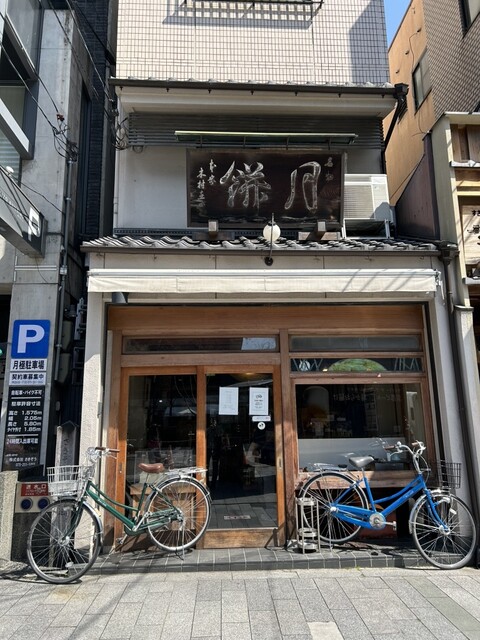
Founded in 1804, Honke Gepaikeya Naomasa is a Kyoto institution famed for its traditional Japanese sweets, or wagashi. The shop's reputation rests on its signature warabi-mochi (本わらび粉), a confection so delicate it has become a benchmark for the style.
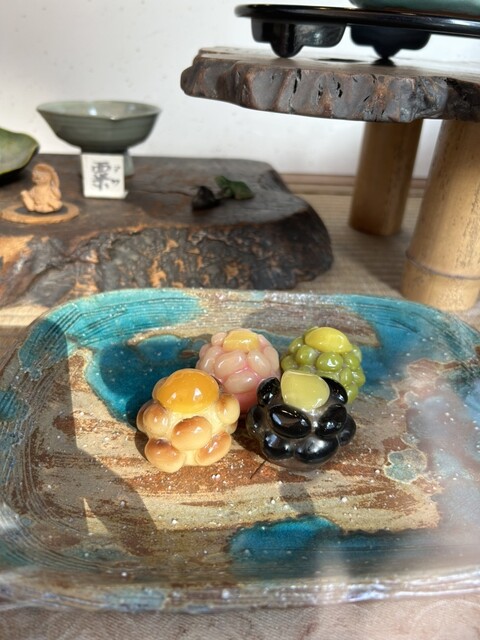
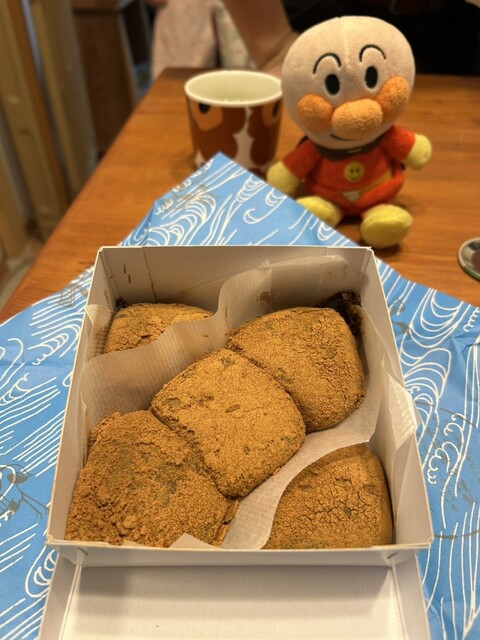
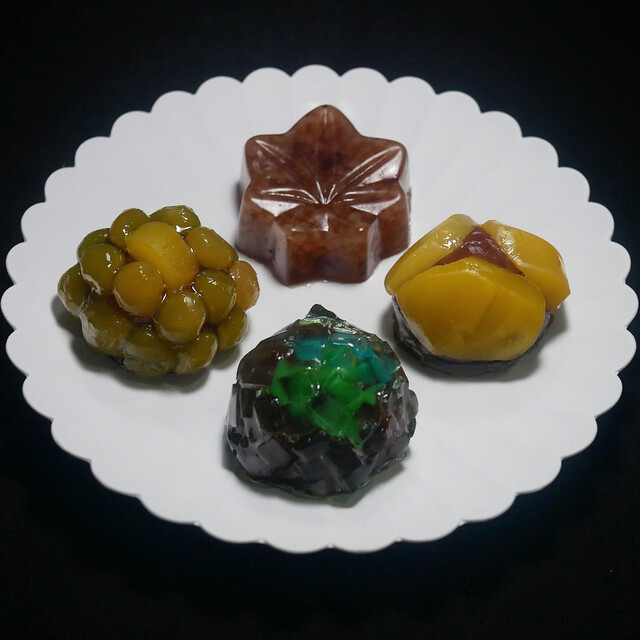
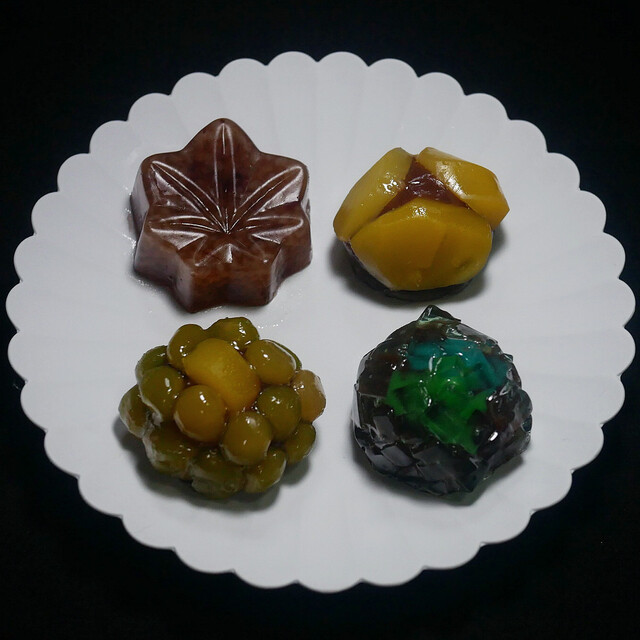
Nearly every visitor praises the warabi-mochi for its extraordinary, melt-in-the-mouth texture. Made fresh daily through a process said to take hours, the nearly translucent mochi envelops a core of dense, smooth red bean paste (koshian), all dusted with a deeply roasted soybean flour (kinako). The balance between the thin, pliant mochi, the soft filling, and the slightly bitter kinako is consistently highlighted. Other popular items include the chewy awamochi (millet cakes) and small seasonal sweets like yakiguri (roasted chestnut) and jusanri (sweet potato treats).
The main challenge is availability; the warabi-mochi often sells out early in the day. Phone reservations are possible but are conducted in Japanese and can be hard to get through. A few guests have also noted brusque service from the elderly staff. While most adore the sweets, a small minority find the filling too sweet for their taste.
Prices are considered excellent value for the craftsmanship. A typical purchase is under ¥1,000. Reviewers recently paid around ¥870–¥945 for three warabi-mochi and ¥500–¥600 for awamochi. The sweets are made for same-day consumption and should not be refrigerated, as this ruins their unique texture.
- Reservations: Booking the warabi-mochi by phone is highly recommended as they sell out fast. The line is in Japanese. You can also try ordering in person for a later collection time.
- Getting There: The shop is a short walk from Sanjo Station.
- Payment: Cash only. Credit cards, electronic money, and QR code payments are not accepted.
- Seating: This is a takeout-only shop with no seating.
- Parking: No dedicated parking is available, but paid coin parking can be found nearby.
- Children: Children are welcome.


