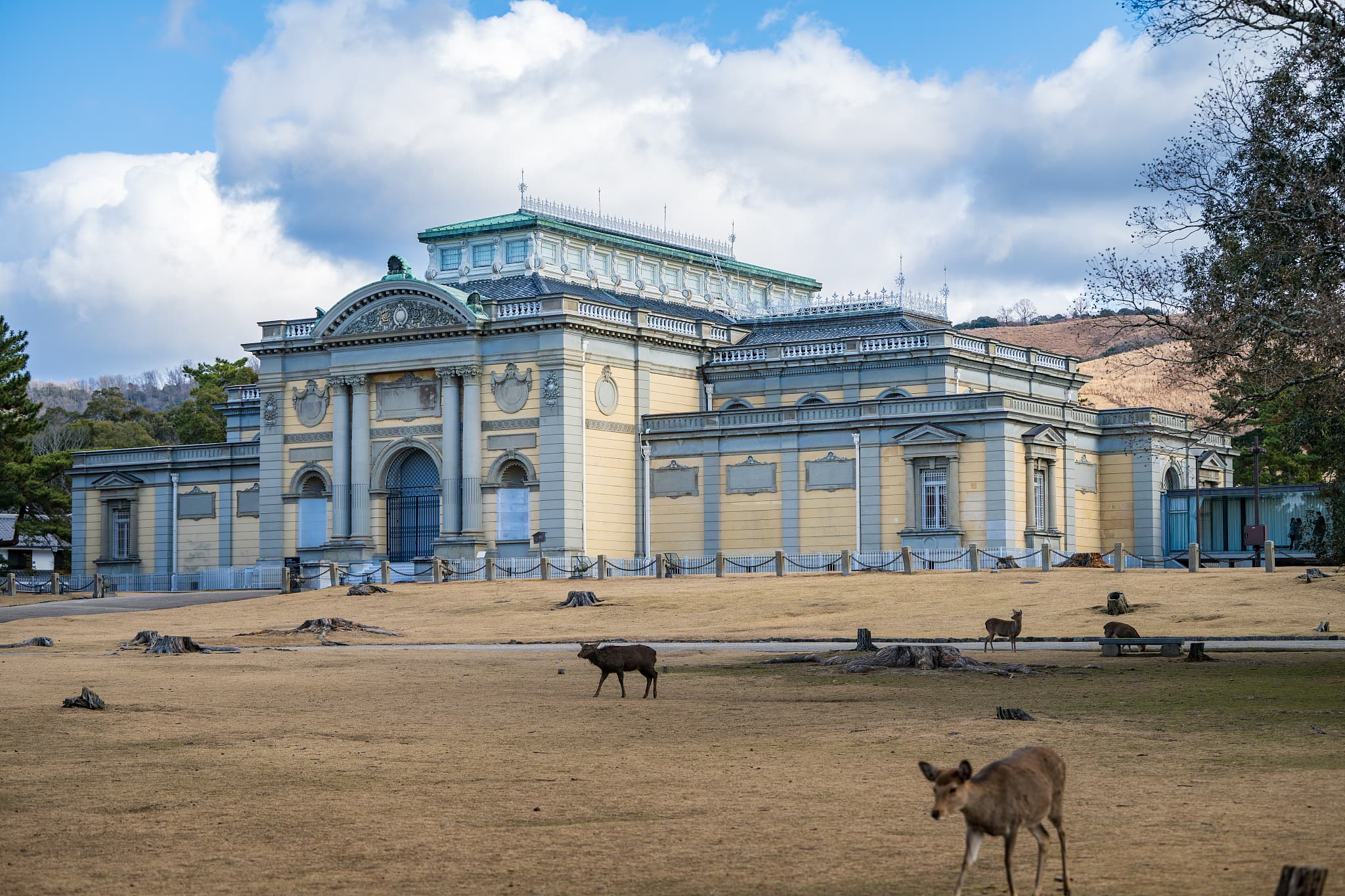
The Nara National Museum, established in 1895, is a significant institution dedicated primarily to Japanese Buddhist art. It plays a crucial role in preserving and showcasing the rich cultural heritage of Nara, which was Japan's capital during the Nara Period. The museum's architecture itself is noteworthy, featuring a Western-style main building from the Meiji period and a more modern Nishi-kan (West Wing) from the Showa era. It serves as an excellent starting point for understanding the profound Buddhist influence on Japanese history and art before exploring the numerous temples in the region.
Visitors consistently praise the museum's extensive collection of Buddhist statues and sculptures, often highlighting the permanent exhibition in the Buddha Sculpture Hall. Many find that visiting the museum first provides valuable context for appreciating the larger temples like Todai-ji. Reviewers frequently mention the high quality of the exhibits, with some noting that the artifacts are national treasures. The annual Shosoin Exhibition, held in autumn, is a major draw, featuring rare imperial treasures, though it can be very crowded. While the permanent collection is generally well-received, some visitors find the overall size of the museum to be modest compared to other national museums.
To make the most of your visit, allocate about 2 to 3 hours. Many suggest visiting the museum before exploring the temples to gain a better understanding of Buddhist art. While some exhibits have English explanations, several reviewers note that not all descriptions are translated, so having a translation app on your phone might be helpful. Photography is generally not allowed inside the exhibition halls, except for specific designated areas. The museum can get crowded, especially during special exhibitions like the Shosoin, so consider arriving early or purchasing tickets in advance if available for specific events. There is a cafe on-site for a break, though food quality receives mixed reviews.
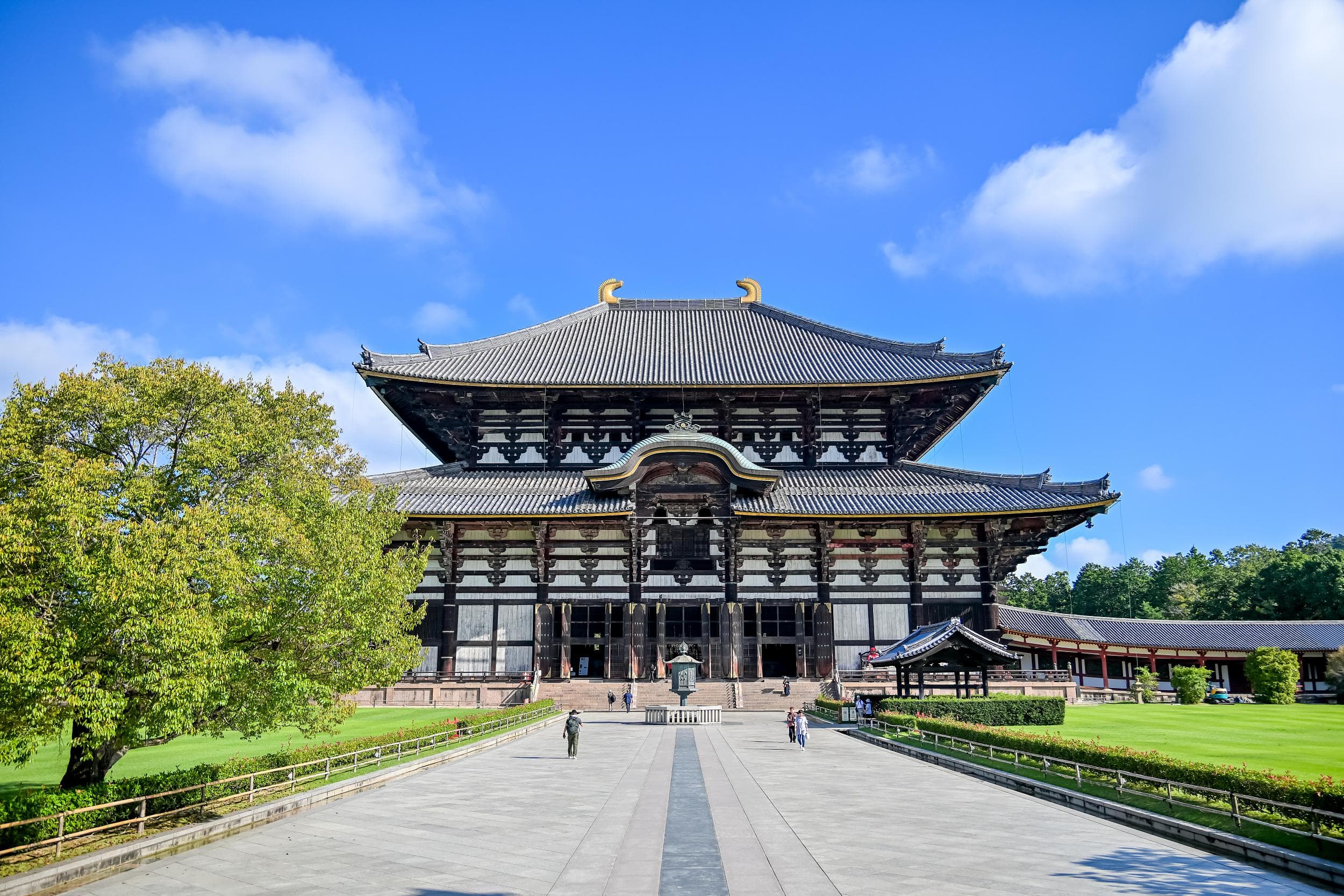
The Nara National Museum is conveniently located within Nara Park, making it easily accessible. It's about a 30-minute pleasant walk from Nara JR Station. Many visitors combine their museum visit with exploring Todai-ji Temple, which is directly opposite, or Kasuga Taisha Shrine, both within a 10-minute walk. The museum's proximity to these major attractions means you'll encounter many deer roaming the grounds, adding to the Nara experience. Parking information is not frequently mentioned in reviews, suggesting public transport or walking is the preferred method for most visitors.
A common complaint among international visitors is the limited English signage and audio guides, particularly for the permanent collection. This can make it challenging to fully appreciate the exhibits without prior knowledge or a translation tool. To mitigate this, consider researching the main types of Buddhist statues and their significance beforehand. Also, be aware that parts of the museum, especially the West Wing, may be closed for new exhibition preparations, so checking the official website for current exhibition schedules and closures is advisable to avoid disappointment.