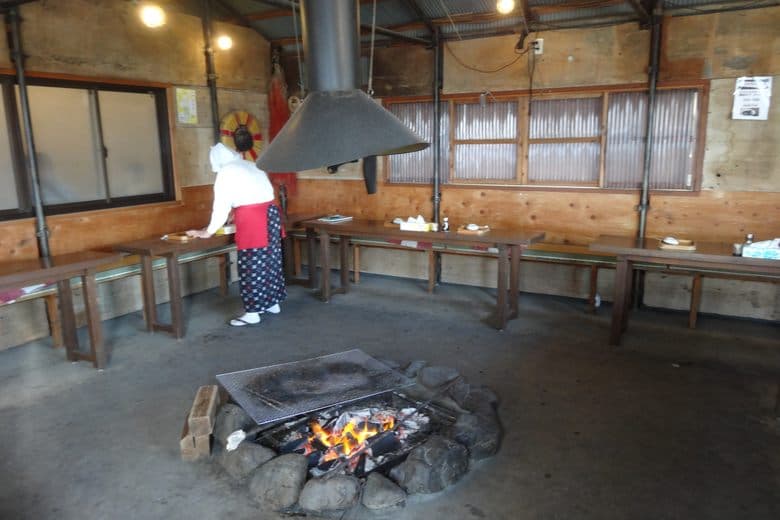
The Ama Hut Hachiman Kamado is more than just a restaurant; it's a cultural hub preserving the ancient tradition of Ama divers, Japan's legendary female free divers. These weather-beaten huts were historically integral to the Ama's life, serving as places to rest and socialize between dives for shellfish, seaweed, and pearls. Today, it offers a rare opportunity to connect with the remaining Ama, hear their stories, and witness a practice dating back to 927 AD.
Visitors consistently praise the unique experience of dining on freshly grilled seafood caught by the Ama themselves. Many reviewers highlight the personal interaction with the divers, who often share anecdotes about their lives and the challenges of their profession. The authenticity of the experience, combined with the delicious, fresh seafood, is a recurring theme in positive feedback. Some visitors also appreciate the opportunity to purchase souvenirs, knowing that their contribution directly supports the preservation of this vanishing tradition.
To make the most of your visit, it's advisable to book a full meal with the divers in advance, especially during peak season, as walk-ins might only be able to drop by. Reviewers suggest allocating at least 1.5 to 2 hours to fully enjoy the meal and the cultural exchange. While the Ama divers traditionally wore white diving suits, modern Ama use wetsuits, though they still dive without air tanks. Look out for the unique drain covers in the locality, which are decorated with images of Ama divers at work, offering a charming detail even if you don't spot a diver in action.
The Ama Hut Hachiman Kamado is located in Toba-shi, Mie Prefecture. While specific public transport details are not consistently mentioned in reviews, visitors typically reach Toba by train and then use local buses or taxis to get to the hut. Driving is also an option, and parking facilities are usually available. The area around the hut is pleasant for a stroll, and you might even see seaweed drying on frames.
A common complaint among some visitors is the language barrier, as not all Ama divers or staff may speak fluent English. However, many reviewers note that the warmth and hospitality of the Ama transcend language, and basic communication is usually sufficient for a memorable experience. Bringing a phrasebook or using a translation app can enhance the interaction.