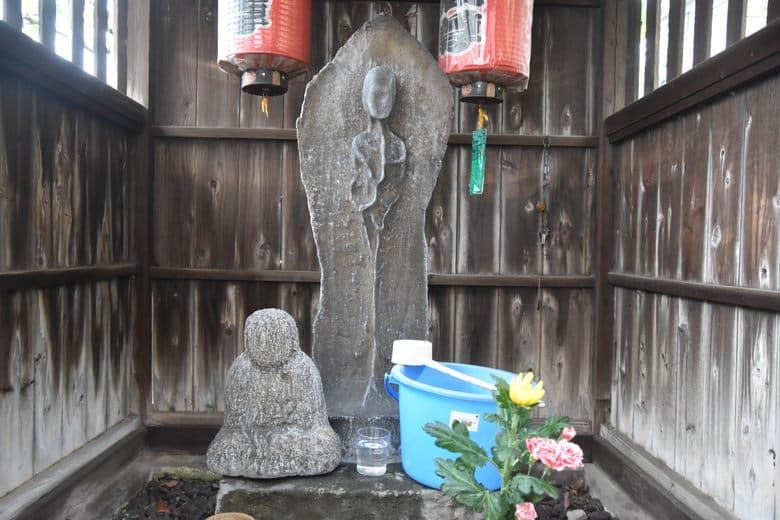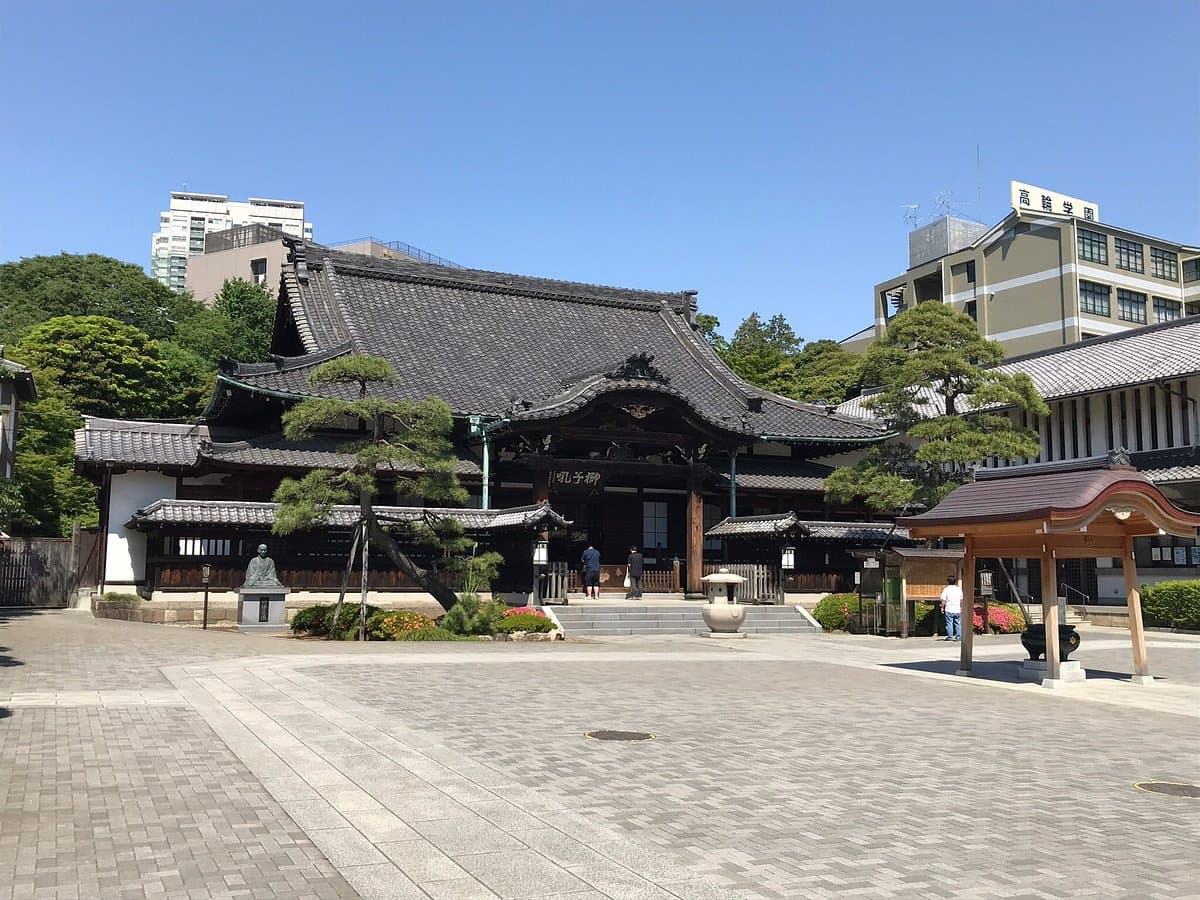
Sengaku-ji Temple holds a profound place in Japanese history as the final resting place of the 47 Ronin, masterless samurai who avenged their lord's death in one of Japan's most legendary tales of loyalty and honor. While the temple itself, rebuilt after WWII, might not be as grand as some other Tokyo temples, its historical significance and the powerful story it embodies make it a compelling destination. It serves as a tangible link to the Bushido code and a pivotal event in 18th-century Japan, drawing visitors seeking to connect with this national legend.
Visitors consistently praise the temple for its peaceful and serene atmosphere, a welcome contrast to the bustling city. Many find the experience of visiting the Ronin's graves, where they can place incense, to be deeply moving and reflective. The small museum on site, which provides artifacts and a video summary of the Ako incident (available in English), is highly recommended for those who wish to delve deeper into the story. Reviewers appreciate the English explanations available throughout the grounds, making the history accessible to international visitors. The temple is often described as not overly crowded, especially during weekdays or early mornings, allowing for a more personal and contemplative visit.
To make the most of your visit, it's highly recommended to familiarize yourself with the story of the 47 Ronin beforehand; this context significantly enhances the experience. Many visitors suggest watching a documentary or reading about the Ako incident to fully appreciate the site. Plan to spend about 1 to 1.5 hours here, which allows ample time to explore the grounds, visit the graves, and see the museum. Bringing cash (Yen) is advisable for the museum entry fee and for purchasing incense. Visiting early in the morning or later in the afternoon on a weekday is often suggested to avoid potential crowds, although many reviewers note it's generally quieter than other major attractions.
Sengaku-ji Temple is conveniently located and easily accessible. It's just a 2-3 minute walk from Sengakuji Station on the Toei Asakusa Line (exit A2, turn right and walk about 100m). Alternatively, it's about a 15-minute walk from Shinagawa Station, a major hub on the Yamanote Line. Reviewers mention clear signage from both stations, making it easy to find. The temple is nestled in a residential area, behind a school, so using Google Maps is helpful for precise navigation. While some visitors arrive by taxi, public transport is widely used and efficient.
A common complaint is that without prior knowledge of the 47 Ronin story, the temple might seem like just another temple, lacking the grandeur of others. To mitigate this, ensure you research the history before your visit. Some visitors also note that the temple itself isn't always accessible for entry, though the grounds and graves are the main draw. One reviewer mentioned a crowded and commercialized experience, but this seems to be an outlier, with the vast majority describing it as peaceful. Be aware that on December 14th, the Gishi Festival is held, which can draw significant crowds, making it less serene but offering a unique cultural experience.