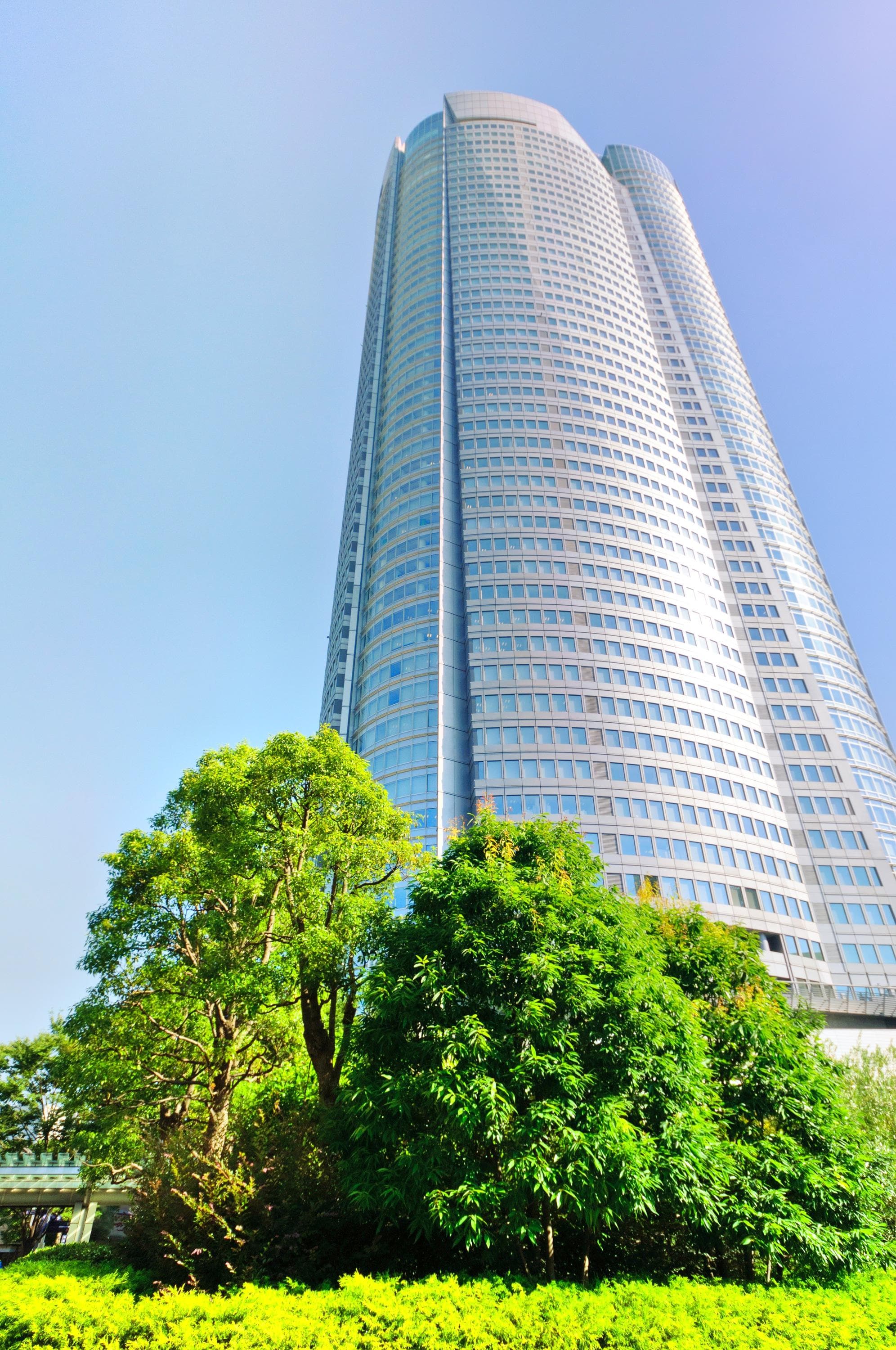
Mori Art Museum is a contemporary art institution located on the 53rd floor of Roppongi Hills Mori Tower, founded by Minoru Mori to promote modern and international art. The museum specializes in rotating exhibitions that explore themes ranging from architecture and design to artificial intelligence, video art, and installation work. Unlike traditional museums with permanent collections, Mori operates as a curatorial space where the entire experience shifts with each exhibition cycle, typically lasting several months.
Visitors consistently praise the museum's curatorial excellence and the quality of its temporary exhibitions. Many note that specific exhibitions—such as the Chiharu Shiota installations, Leandro Erlich optical illusions, and the triennial "Roppongi Crossing" survey of Japanese contemporary art—have been transformative experiences. The museum's strength lies in its willingness to showcase experimental, immersive, and thought-provoking work across diverse media: paintings, sculptures, video installations, interactive pieces, and even community-engaged projects. However, several reviewers caution that the museum experience is highly dependent on which exhibition is on display; a poorly curated or uninteresting show can feel like a waste of money. Before visiting, check the museum's website to see what's currently exhibiting. The museum also hosts film screenings and educational programs alongside exhibitions.
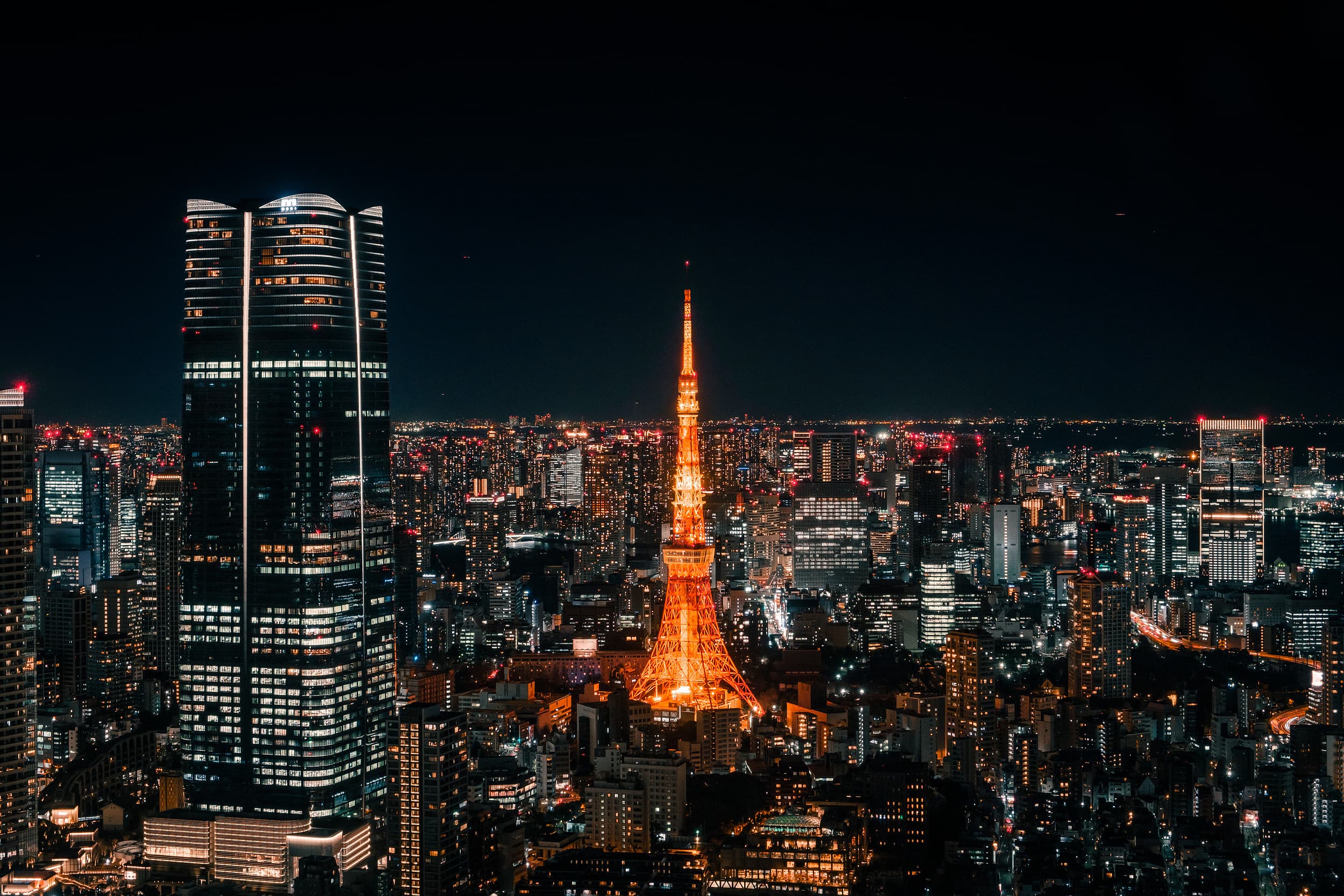
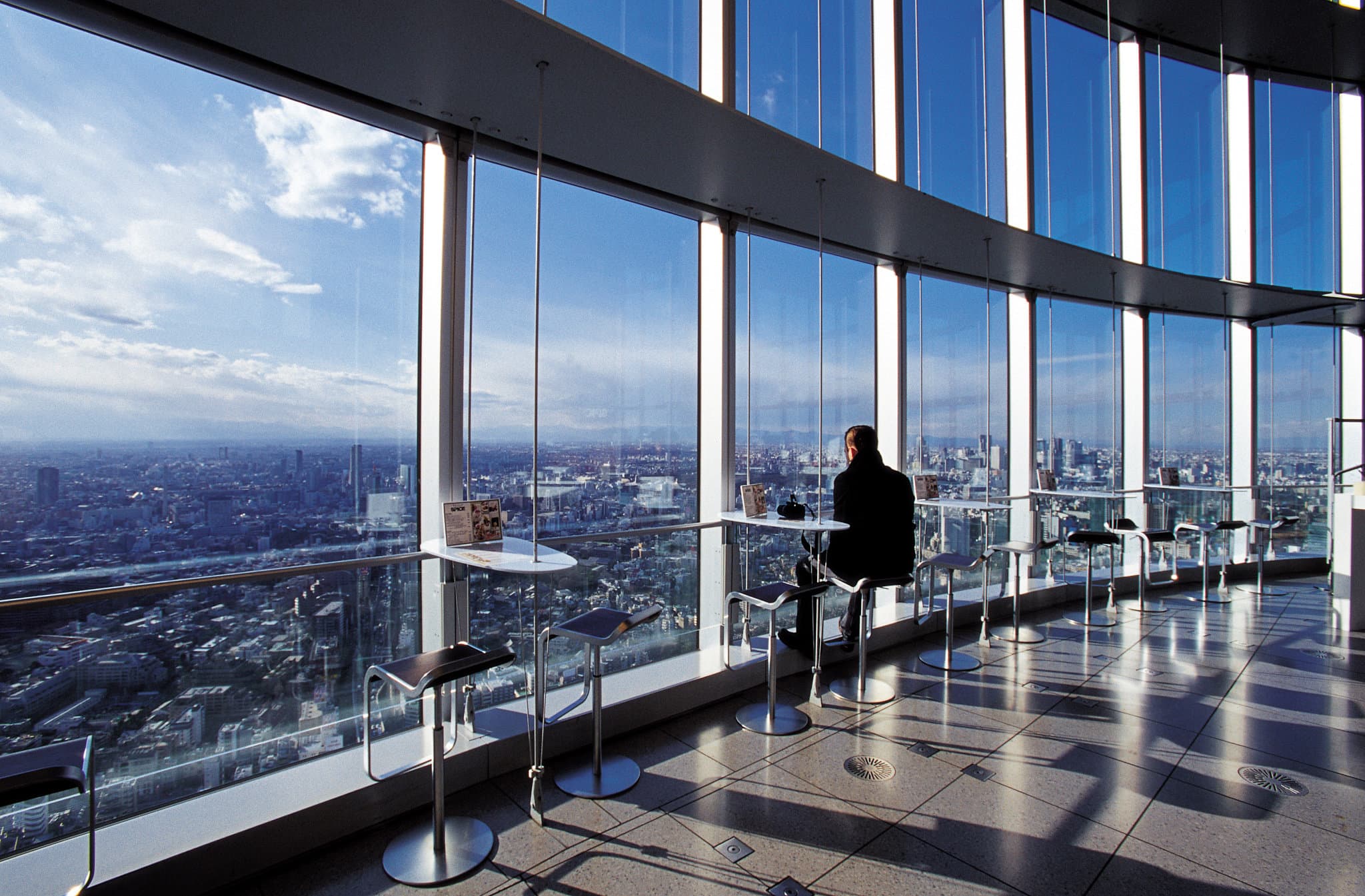
The most significant practical advantage is that your admission ticket includes access to the Tokyo City View observation deck on the 52nd floor, which offers a 360-degree panoramic view of Tokyo. This is a major reason many visitors come, especially those less interested in contemporary art. Several reviewers recommend visiting in late afternoon (after 8:30 pm is noted as less crowded) to catch the sunset and evening cityscape. For the best views, visit on a clear day; cloudy or rainy weather significantly diminishes the observation deck experience. An additional ¥500 fee grants access to the Sky Deck, an open-air rooftop area on the 54th floor with even more expansive views, though this is weather-dependent and may be closed if conditions are poor. Plan to spend 1.5–3 hours total, depending on exhibition size and your interest level. The museum shop on both the 53rd and 5th floors offers high-quality art books, design objects, and merchandise. A café is available on-site, though reviewers note it is overpriced; consider eating in the broader Roppongi area instead.
Getting There: The museum is located in Roppongi Hills Mori Tower, 6-10-1 Roppongi, Minato Ward, Tokyo. The nearest train station is Roppongi Station on the Tokyo Metro Hibiya Line (exit 1C) or Oedo Line (exit 3). From Roppongi Station, it is approximately a 5–10 minute walk to Roppongi Hills. Follow signs for Roppongi Hills or the Mori Tower. Alternatively, Azabu-Juban Station (Oedo Line) is about a 10-minute walk away. The complex is large and well-signposted; once inside, take the high-speed elevators directly to the 53rd floor. Parking is available in the Roppongi Hills underground garage, though street parking is limited and expensive. Public transport is strongly recommended. The museum is easily combined with other Roppongi attractions, including the National Art Center (a 10-minute walk) and the Roppongi Hills complex itself, which contains shops, restaurants, and galleries.
Common complaints centre on three issues: (1) Long queues during peak times (weekends, sunny days when observation deck views are optimal, and during popular exhibitions). Reviewers recommend visiting on weekday mornings or after 8:30 pm to avoid crowds. Purchasing tickets online in advance can help bypass ticket-line delays. (2) The museum's lack of permanent collection means the experience is entirely exhibition-dependent; some visitors have felt disappointed by weak or overly conceptual shows. Always check what's on before committing. (3) Photography restrictions in some exhibitions frustrate visitors; policies vary by exhibition, so ask staff upon entry. (4) The combined ticket price (typically ¥1,800–¥2,200) is considered high by some, though most agree the observation deck alone justifies the cost. (5) A few reviewers noted that staff can be rushed or unhelpful, particularly near closing time; arrive with adequate time to explore.