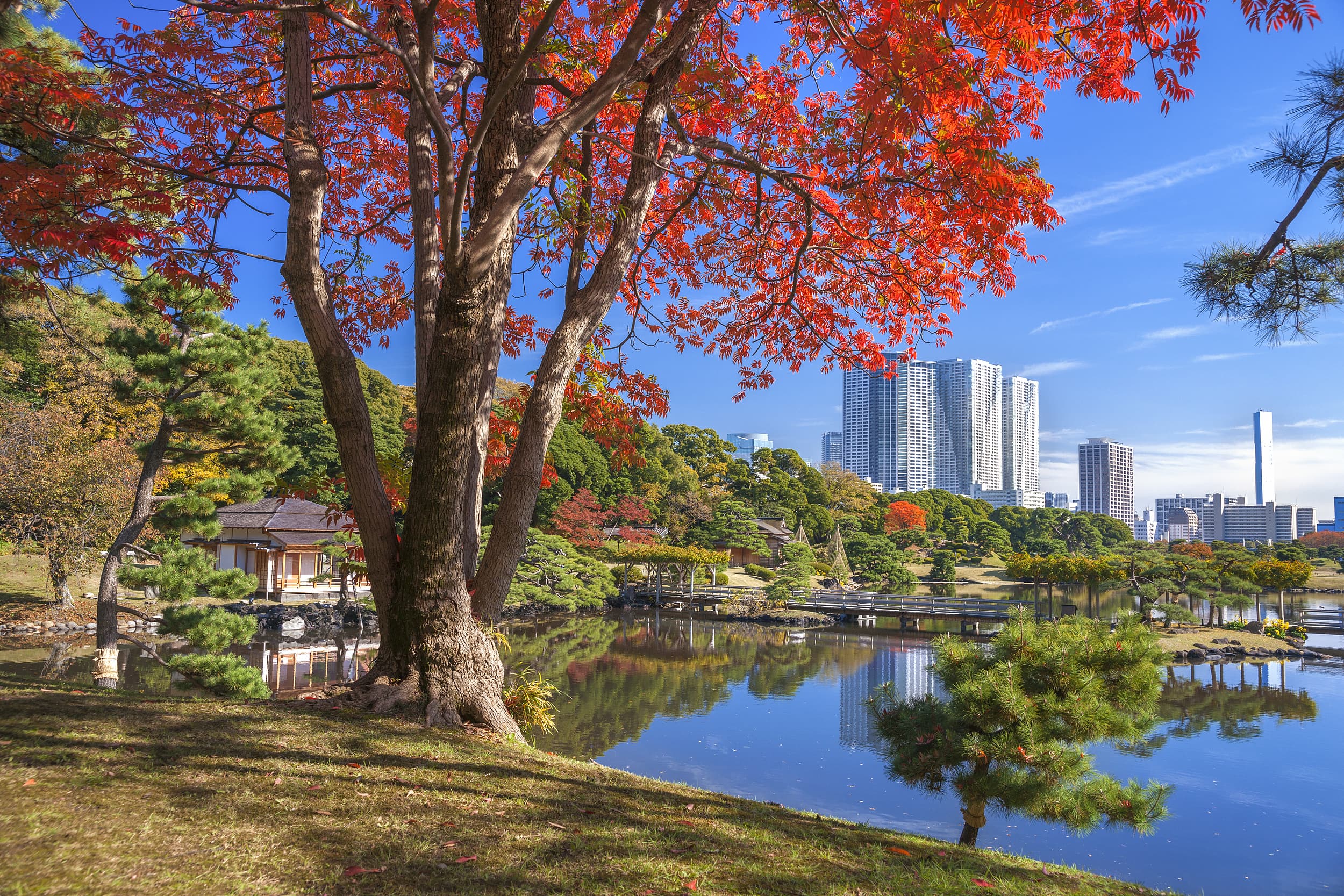
Hamarikyu Gardens is a historic Edo-period garden, once a villa for the Tokugawa Shogun and later an imperial detached palace. It stands as a remarkable example of a traditional Japanese strolling garden, distinguished by its unique tidal seawater pond and the striking contrast it presents against the surrounding modern skyscrapers of Tokyo. This blend of ancient tranquility and contemporary urbanity is a key draw for many visitors.
Visitors consistently praise the gardens as a serene oasis, offering a welcome escape from the bustling city. Many highlight the meticulously maintained landscapes, the beautiful ponds with their graceful bridges, and the opportunity to experience a traditional matcha tea ceremony at the Nakajima-no-Ochaya teahouse. The juxtaposition of the historic garden with the towering modern buildings is frequently mentioned as a captivating visual. Reviewers often note the presence of seasonal flowers, such as cherry blossoms, rapeseed, and plum blossoms, which add vibrant color depending on the time of year. The 300-year-old pine tree is another frequently admired feature. However, some visitors warn that outside of peak blooming seasons, the gardens might appear less vibrant, with fewer flowers, and some areas may be under renovation, impacting the overall experience.
To make the most of your visit, allocate 1 to 2 hours for a leisurely stroll. Many recommend visiting in the morning to avoid crowds and enjoy the tranquility. Comfortable shoes are advisable due to the extensive walking paths. While the gardens are beautiful year-round, spring (for cherry and plum blossoms) and autumn (for fall foliage) are particularly recommended for their vibrant colors. If you plan to visit the teahouse, be aware that it can get busy, and some reviewers mention it might occasionally be closed for repairs or special events. Bringing your own water is a good idea, especially on hot days, as the gardens are quite expansive.
Hamarikyu Gardens is conveniently located and easily accessible. Many visitors combine their trip with a visit to the nearby Tsukiji Outer Market, which is just a 5-minute walk away. The gardens also serve as a departure point for the Sumida River cruise, with a water bus terminal offering direct connections to Asakusa. For those arriving by train, JR Shimbashi Station is a walkable distance, and the gardens are also close to the Shiodome area. Public transport is highly recommended, as parking can be challenging in central Tokyo.
A common complaint revolves around the gardens appearing less impressive during off-peak seasons, particularly in winter when foliage is sparse or in late spring/early summer when flowers have faded. To mitigate this, check seasonal bloom forecasts before your visit if vibrant floral displays are a priority. Additionally, some paths or sections might be closed for maintenance, which can limit exploration; checking the official website for current alerts is advisable.