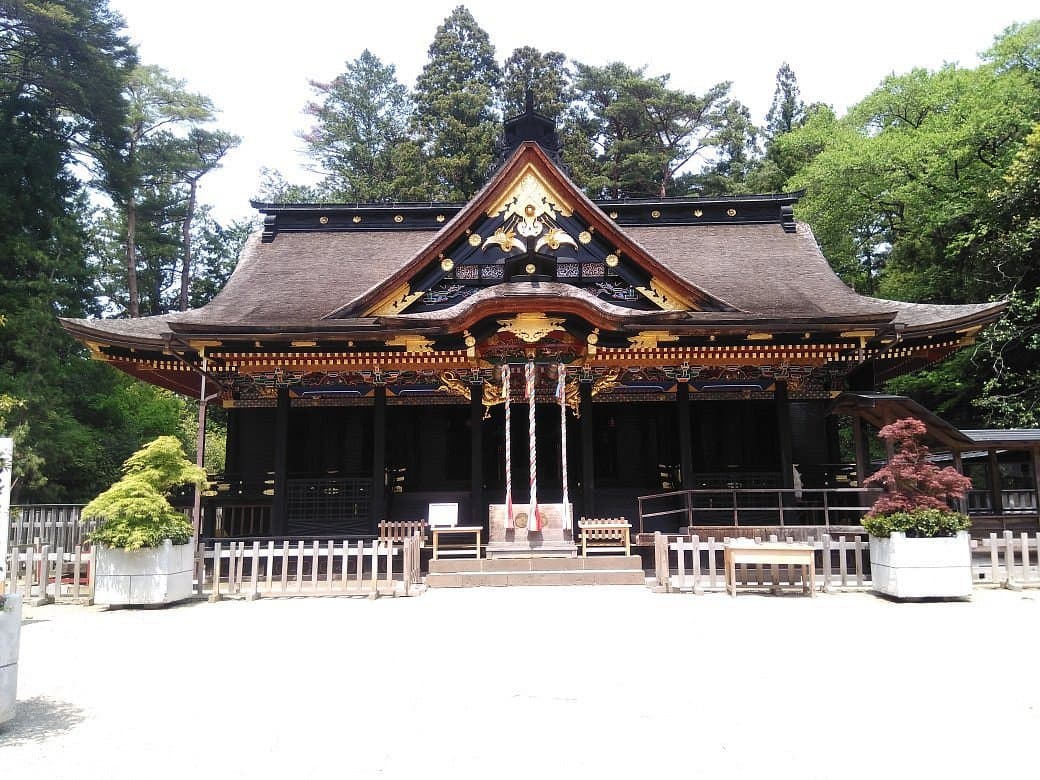
Osaki Hachiman Shrine is a historically significant Shinto shrine in Sendai, designated as a National Treasure of Japan. Built in 1607 by the samurai lord Date Masamune, it stands as a prime example of Azuchi-Momoyama period architecture, characterized by its striking black lacquer and elaborate gold and stone-edge rich carvings. The shrine is dedicated to Hachiman, the god of war, and plays a crucial role in Sendai's cultural heritage.
Visitors consistently praise the shrine's beautiful architecture and serene atmosphere. Many highlight the impressive main hall with its intricate dragon and tiger decorations, noting that it has been meticulously restored. The experience of walking up the long stairway, often lined with cedar trees and passing through torii gates, is frequently mentioned as part of the appeal. While some find the shrine relatively small, its historical depth and the opportunity to witness typical Japanese shrine culture, sometimes alongside locals celebrating various occasions, are highly valued. Reviewers also appreciate the free parking available, making it convenient for those driving.
To make the most of your visit, plan to spend about 1 to 2 hours exploring the grounds and the main hall. The best time to visit is during festivals, such as New Year's Eve or January 14th, when the shrine comes alive with activity, food stalls, and unique local traditions like the half-naked run. However, be aware that during these times, it can be very crowded. If you prefer a quieter experience, a regular weekday visit is recommended. Consider reading up on the shrine's history beforehand to fully appreciate its significance. While there are no dedicated bathrooms or food stalls on-site during regular days, there is an indoor seating area where you can relax, especially on colder days.
The shrine is very accessible, particularly via the Loople Sendai bus. The bus stop, "Osaki Hachiman Shrine," is conveniently located right at the entrance, making it an easy stop on the tourist loop. For those driving, there is a free parking lot behind the main shrine building, about a five-minute walk from the main hall. Be prepared for a climb of approximately 100 steps to reach the main sanctuary. While the stairs are manageable and have handrails, some visitors compare them to those at Zuihoden, noting they might be steeper but shorter. If you are coming from Sendai Station, the Loople bus is the most straightforward option.
A common complaint among some visitors is that without a festival or special event, the shrine can feel "simple" or "average" compared to other temples, especially if a tent obstructs the view of the main building during preparations. To mitigate this, check the shrine's event calendar before your visit. If you are not visiting during a festival, focus on appreciating the architectural details and the historical context rather than expecting a large, bustling complex. Some also mention that the shrine is a bit far from other major tourist spots, so combining it with other Loople bus stops like Zuihoden Mausoleum is a good strategy.