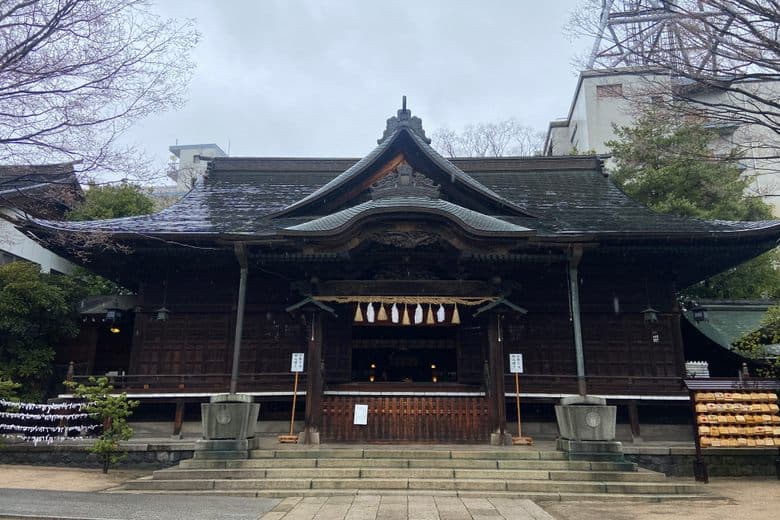
Yohashira-jinja Shrine, established in 1874 during the Meiji Period, holds a distinctive place among Japanese shrines due to its dedication to four Shinto deities, a rare configuration that gives it its name, meaning "four pillars." This unusual feature is believed by many to imbue the shrine with wish-granting properties, making it a significant spiritual site for locals and an interesting cultural stop for visitors.
Visitors consistently praise the shrine's peaceful atmosphere and its aesthetic appeal, particularly during the cherry blossom season when the grounds are adorned with blooming trees. Many enjoy observing local residents engaging in traditional practices, such as making offerings and ringing the large bell, which offers an authentic glimpse into Japanese spiritual life. The large grey gate (torii) is also frequently noted for its impressive size and presence.
To fully appreciate the shrine, visitors typically spend about 30 to 60 minutes exploring the grounds. The best time to visit is during the spring for the cherry blossoms, or in the early morning for a quieter experience. There are no specific items to bring, but respectful attire is always recommended when visiting religious sites. While there are no explicit warnings from visitors, maintaining a quiet demeanor is appreciated, especially during ceremonies.
The shrine is conveniently located in Matsumoto and is easily accessible on foot. It is just a short walk from Nawate Dori, a popular street known for its frog-themed shops and eateries, making it an ideal stop to combine with other local attractions. Public transport options in Matsumoto generally lead to the city center, from which the shrine is a pleasant stroll.
Common complaints are rare for this shrine, as it is generally well-maintained and offers a serene experience. However, some visitors might find it less grand than larger, more famous shrines. To mitigate this, it's best to approach Yohashira-jinja as a charming local spiritual site rather than a major historical landmark, appreciating its unique dedication and tranquil ambiance.