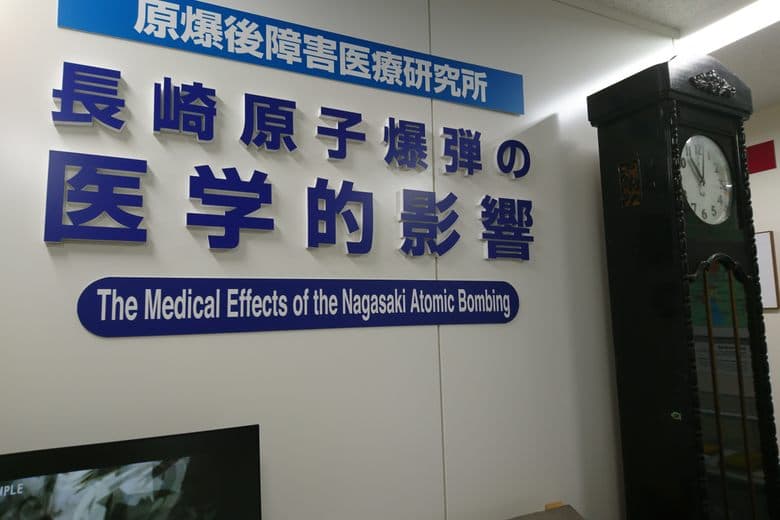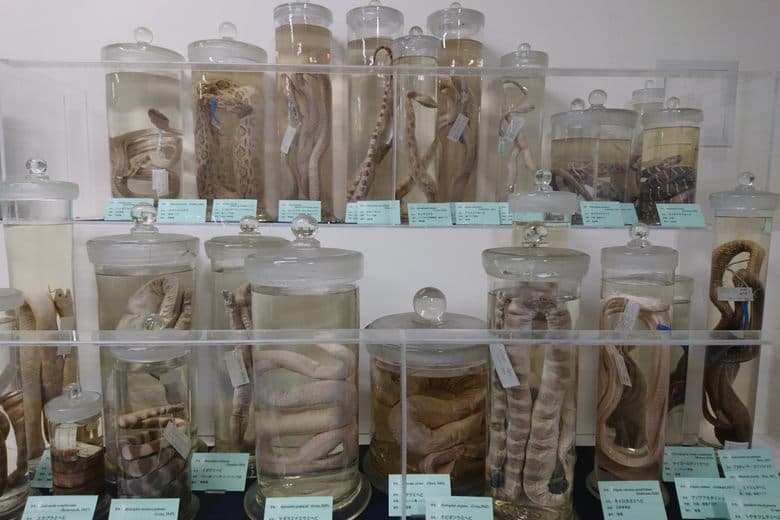
The Museum of Tropical Medicine, located within Nagasaki's Medical University Campus, serves as both a public museum and a vital research center. Established in 1942, it has evolved into Japan's leading institution for tropical medicine, focusing on endemic diseases in East Asia. Its collection is designed to educate the public on health science and disease prevention, showcasing a wide array of preserved specimens related to tropical diseases, parasites, and vectors.
Visitors consistently note the museum's extensive and somewhat graphic displays, which include jars filled with formaldehyde containing various specimens like disease strains, parasites, bacteria, viruses, poisonous insects, and dangerous animals. Reviewers highlight the educational value, particularly for those interested in epidemiology, biology, or medical history. The museum also features a small audio-visual room and displays of public health data, providing a comprehensive overview of its research and public health initiatives. While some find the exhibits intense, most appreciate the depth of information provided.
For a visit, allocate approximately 1 to 2 hours to thoroughly explore the exhibits. The museum is free to enter, making it an accessible option for those on a budget. It is advisable to visit during off-peak hours to enjoy a quieter experience, though specific crowd patterns are not frequently mentioned in reviews. Given the nature of the exhibits, it might not be suitable for very young children or those with a strong aversion to medical specimens.
To reach the museum from Nagasaki central station, take tram Number 1 or Number 3 towards "AKASAKO" and alight at "HAMAGUCHI-MACHI" station. From there, it is approximately an eight-minute walk towards Nagasaki's Medical University Campus. The campus is well-signposted, and the museum is typically easy to locate within the university grounds.
Common complaints are rare, but some visitors might find the subject matter too specialized or the displays too graphic. To mitigate this, approach the visit with an open mind and a genuine interest in the topic. There are no specific issues like overcrowding or lack of information reported, suggesting a generally well-managed and informative experience for its target audience.