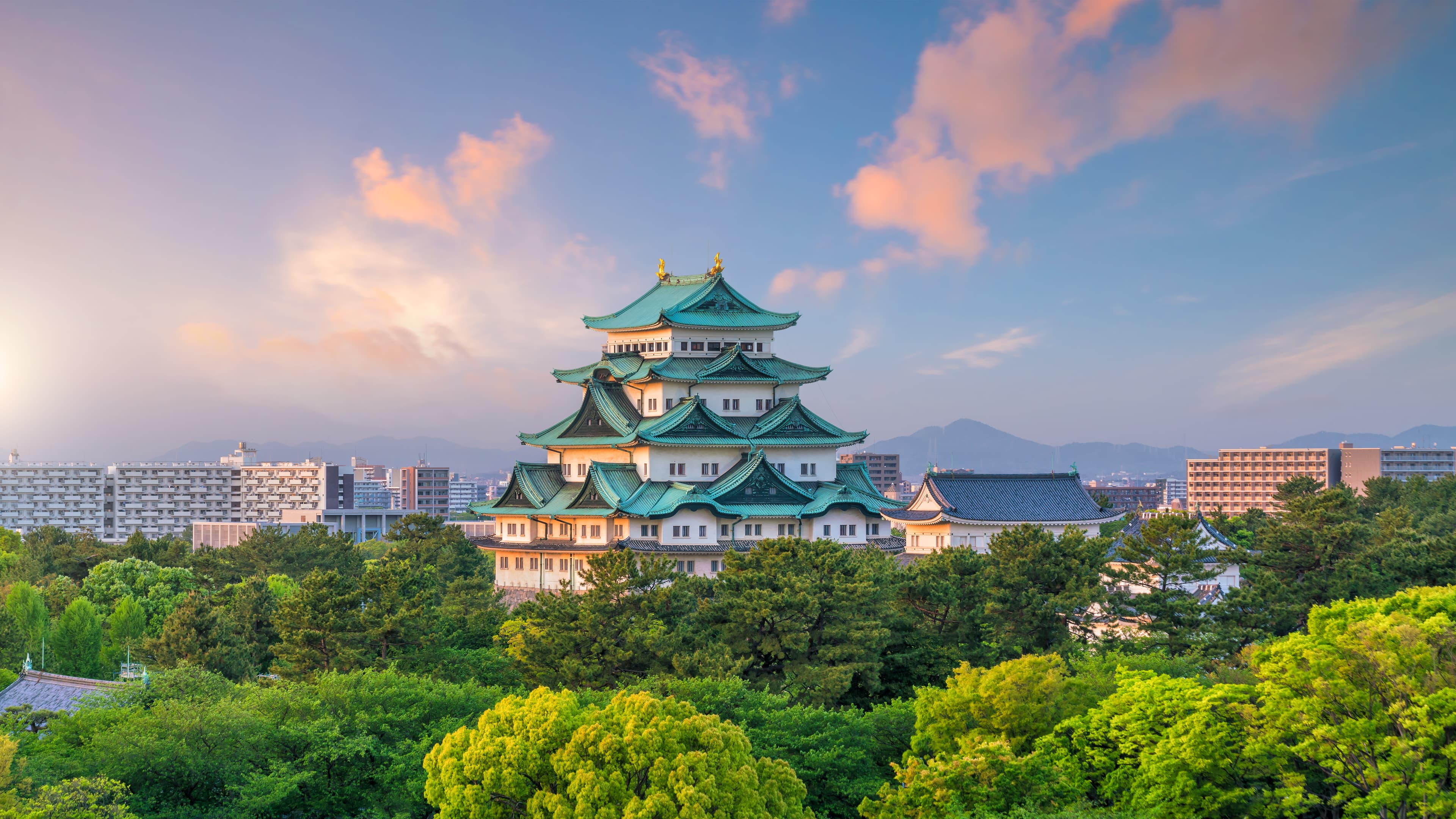
Nagoya Castle is a landmark attraction in Nagoya, often referred to as the 'Golden Castle' due to its distinctive golden shachihoko (mythical tiger-headed carp) ornaments. Built by Tokugawa Ieyasu in 1612, it stands as a symbol of the Tokugawa clan's prestige and power, playing a crucial role in Japan's feudal history. While the original castle was largely destroyed during World War II, its meticulous reconstruction, particularly the Honmaru Palace, offers a vivid glimpse into the opulent samurai culture of the Edo period.
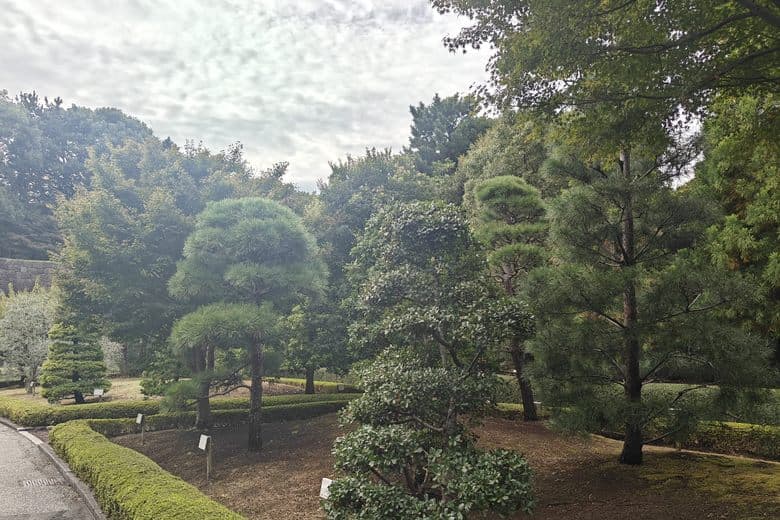
Visitors frequently highlight the Honmaru Palace as the absolute highlight of their visit. Reviewers describe its interior as 'gorgeous,' 'luxurious,' and 'stunning,' with intricate wall paintings, ceiling art, and sculptures that showcase exquisite craftsmanship. Many are impressed by the faithful restoration, noting how it transports them back to the wartime era. The availability of free English-speaking volunteer guides is consistently praised, with many visitors reporting that these guides significantly enhanced their understanding and enjoyment of the castle's history and architecture. The castle grounds are also appreciated for their beauty, offering pleasant strolls and photo opportunities, especially during cherry blossom season.
Despite the main castle keep being closed for earthquake-proofing renovations, visitors advise focusing on the Honmaru Palace and the surrounding grounds. Allocate 1-2 hours for a comprehensive visit, though some suggest up to 3 hours if you take a guided tour or explore the grounds thoroughly. To avoid crowds, especially at the Honmaru Palace, consider arriving early in the morning. Reviewers recommend wearing comfortable shoes for walking around the extensive grounds and note that you will need to remove your shoes to enter the Honmaru Palace, so wearing socks or bringing slippers is a good idea. For those interested in history, downloading the official Nagoya Castle application beforehand can enrich the experience.
Nagoya Castle is easily accessible by public transport. Many visitors recommend taking the subway to Shiyakusho Station (City Hall Station), which is a short 5-10 minute walk to the castle's East Gate. Alternatively, the Meguru tourist loop bus also stops directly at the castle. For those staying in the Sakae area, it's about a 30-minute walk. If you plan to use public transport extensively, consider purchasing a Nagoya Bus and Subway Day Pass, which can also offer a discount on the castle entry fee. Driving is also an option, though public transport is generally preferred by tourists.
The most common complaint is the closure of the main castle tower due to ongoing earthquake-proofing renovations. While this can be disappointing for some, reviewers emphasize that the Honmaru Palace and the grounds still offer more than enough to see. The entrance fee remains the same despite the tower's closure, which some visitors find slightly unreasonable. However, the value provided by the Honmaru Palace and the free volunteer guides often mitigates this concern. Be aware that during peak seasons or festival days, the site can get crowded, leading to queues, particularly for the Honmaru Palace.