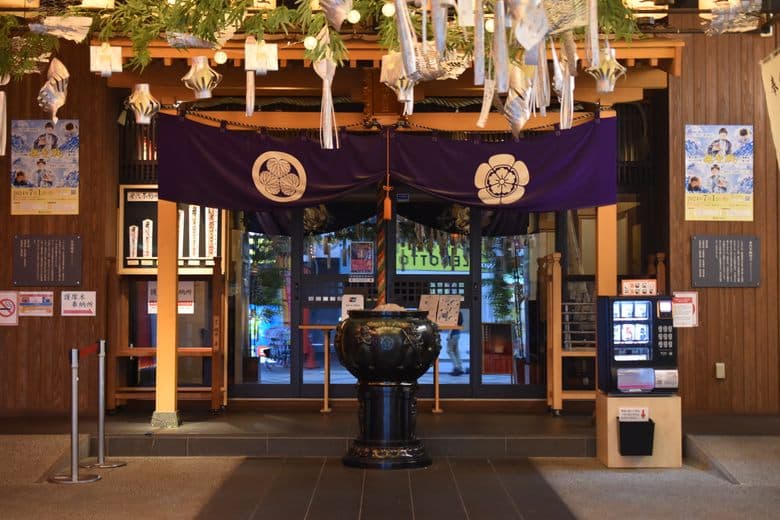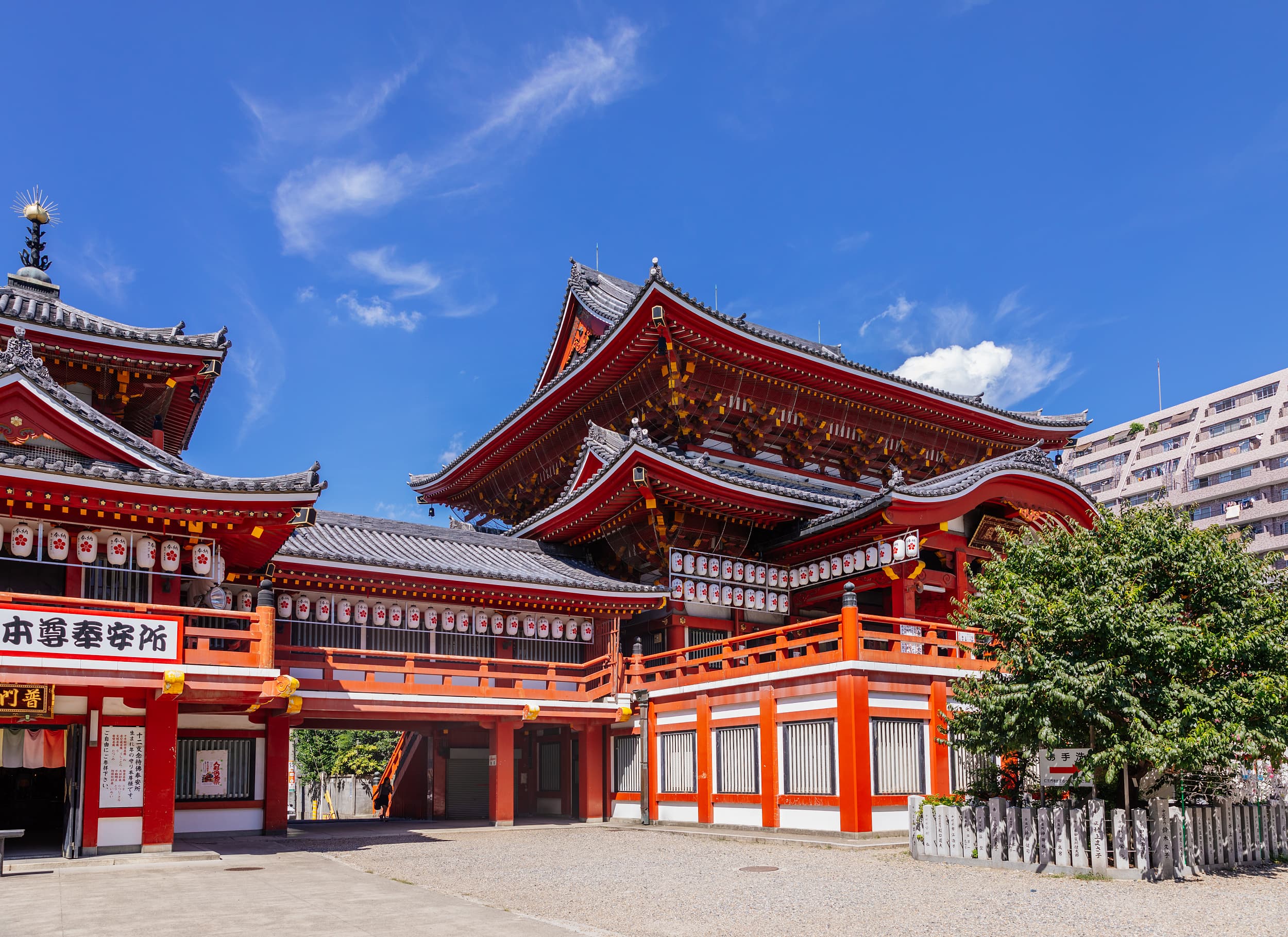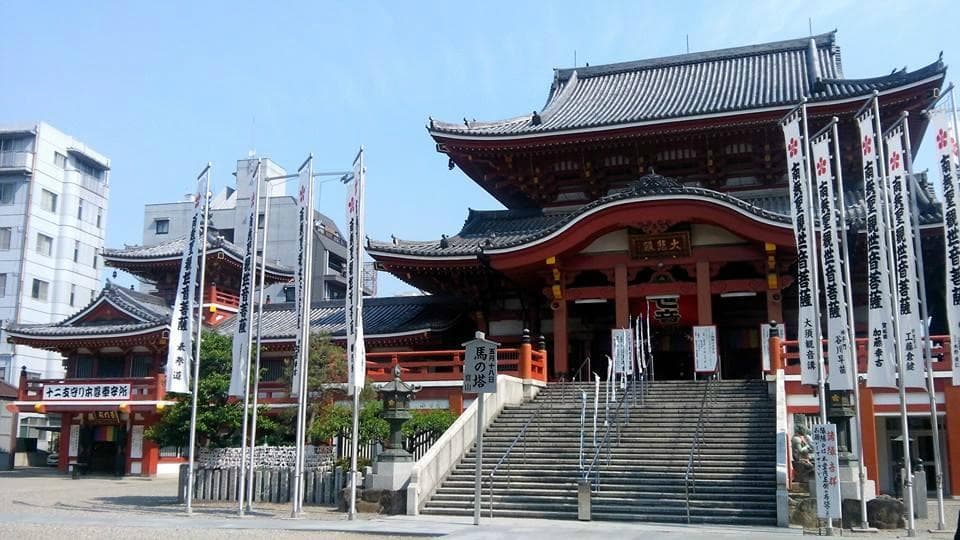
Osu Shotengai is a historic shopping arcade that has thrived since the Edo period, centered around the Osu Kannon temple. The district comprises approximately 1,200 shops spread across multiple interconnected streets, making it one of Japan's largest traditional shopping districts. Unlike modern department stores, Osu retains a distinctly local character, with a mix of independent retailers, vintage shops, anime stores, kimono specialists, and affordable discount outlets alongside restaurants and food stalls serving everything from traditional Japanese snacks to international cuisine.
Visitors consistently praise the diversity and authenticity of the shopping experience. The arcade is particularly strong for second-hand and vintage clothing, with multiple boutiques offering designer pieces at reasonable prices. Anime and figurine shops are abundant, earning Osu comparison to Tokyo's Akihabara. Food is a major draw: reviewers highlight excellent takoyaki stalls, taiyaki shops with crispy exteriors, affordable supermarkets (notably cheaper than other Nagoya areas), and international restaurants serving Taiwanese, Vietnamese, Indian, and other cuisines. The covered arcade design means shopping is comfortable year-round, regardless of weather. Many visitors note that browsing can easily consume 2–5 hours, with some spending an entire day exploring the interconnected side streets and discovering unexpected vintage shops and local treasures.
Practical considerations are essential. Most clothing stores close by 6:30 PM, with food establishments shutting around 7:45 PM, so arrive by mid-afternoon to maximize shopping time. Many shops do not open until 11 AM, making early morning visits unproductive. Weekdays are significantly less crowded than weekends; visitors strongly recommend visiting Wednesday or Thursday if possible, as Sunday crowds make browsing difficult. The arcade is so extensive that it is easy to become disoriented; take time to orient yourself at the Osu Kannon temple entrance and plan which sections to explore. Bring comfortable walking shoes, as the district spans multiple blocks. A 100-yen shop (Seria) and 300-yen shops offer budget-friendly souvenirs. Toilets can be limited, so use facilities early. The supermarket near the shopping street is notably cheaper than competitors elsewhere in Nagoya, making it a good spot for snacks and gifts.
Getting there is straightforward via public transport. The nearest station is Osu Kannon Station on the Nagoya Metro Tsurumai Line (subway). Exit the station and follow signs to the Osu Kannon temple; the shopping street begins immediately adjacent to the temple. The walk from the station to the main shopping area is approximately 2–3 minutes. Alternatively, Kamimaezu Station (also on the Tsurumai Line) is about two blocks away via exit 9. If driving, parking is available on the east side of the shopping street, though street parking can be limited during busy periods. The area is also walkable from Sakae (Nagoya's modern shopping district) if you wish to combine visits, though this adds 20–30 minutes of walking.
Common complaints center on the sheer size and complexity of the layout, which can be overwhelming for first-time visitors. Some reviewers found certain sections less interesting than others and noted that shop quality varies. A few visitors compared it unfavorably to Osaka's Dotonbori or Tokyo's Asakusa, expecting more dramatic or tourist-focused atmosphere. To mitigate this, set realistic expectations: Osu is a working neighborhood shopping district, not a theme park. Focus on specific interests (vintage clothing, anime, food) rather than trying to see everything. Visit on a weekday and arrive by mid-afternoon. If crowds or complexity become overwhelming, the Osu Kannon temple offers a quiet refuge, and nearby cafes provide rest stops.