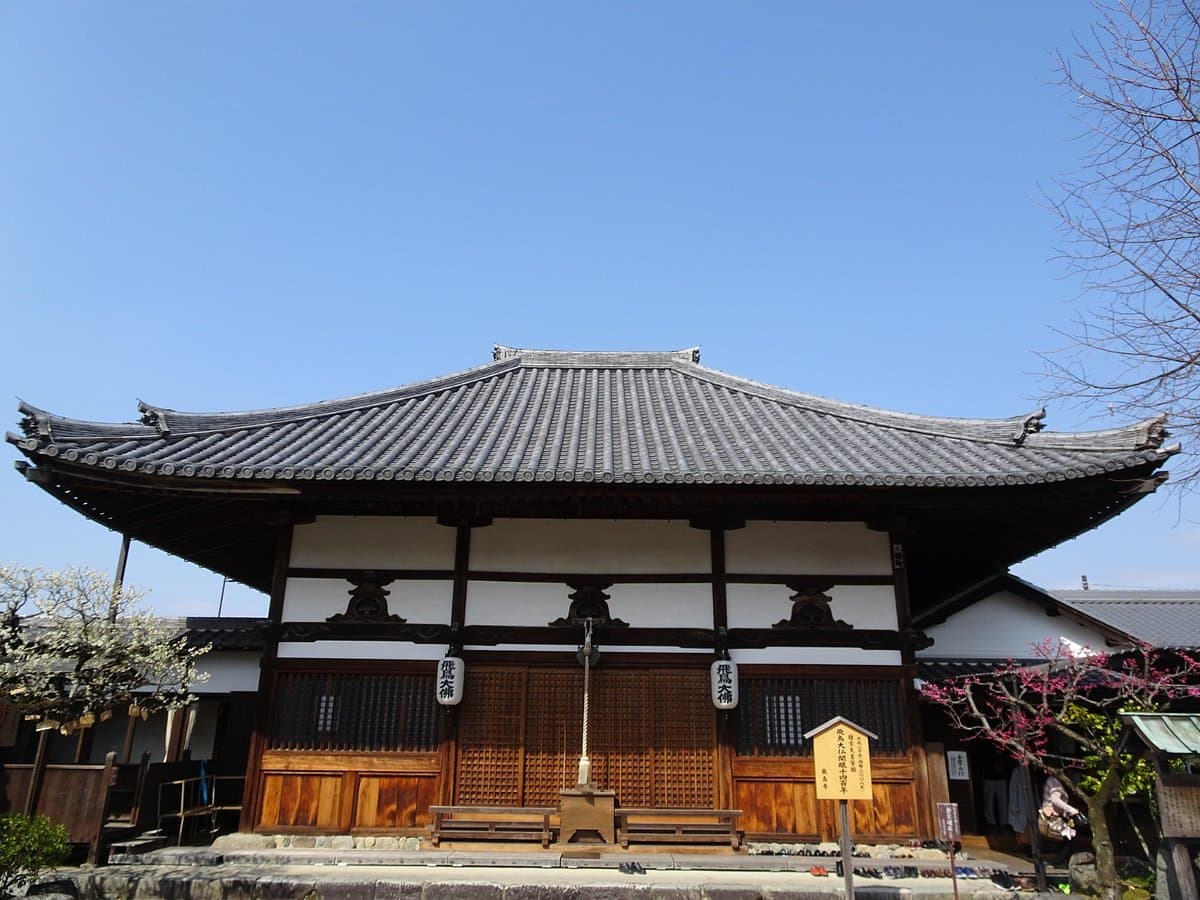
Asuka-dera Temple holds immense historical significance as the first Buddhist temple ever built in Japan, founded in the late 6th century by Soga no Umako. While none of the original structures remain, the site is revered for its foundational role in introducing Buddhism to the country and houses the Asuka Daibutsu, the oldest Buddha statue in Japan, dating back to the early 7th century.
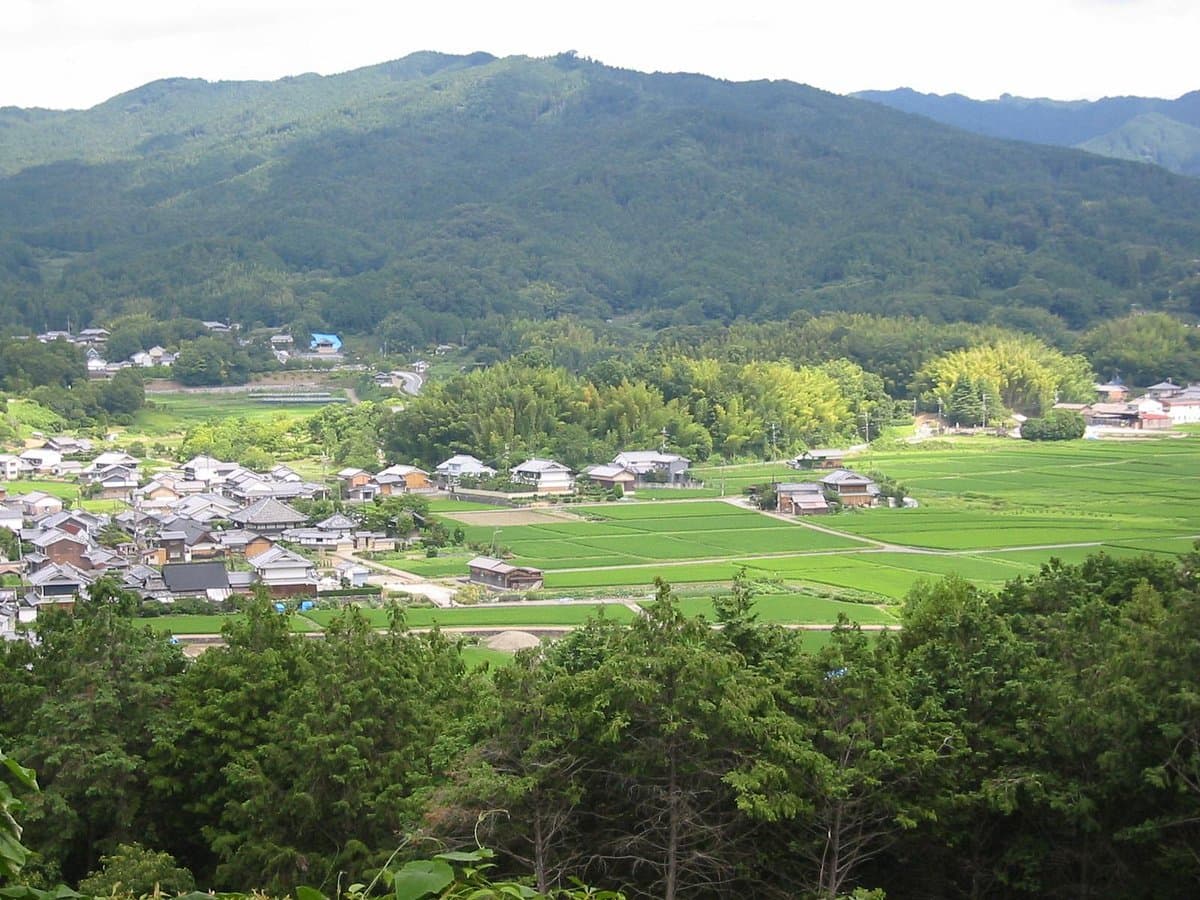
Visitors consistently praise the sense of history and the peaceful, almost rural atmosphere of the temple, which is surrounded by rice paddies. Many reviewers highlight the opportunity to see the ancient Buddha statue, noting its unique, continental features. The temple staff, including volunteers or the 'temple chap,' often provide engaging explanations about the statue's age and history, which greatly enhances the visit. Some visitors also appreciate the chance to strike an old bell in the courtyard once per person, adding to the interactive experience.
To make the most of your visit, allocate about 1-2 hours. While the temple itself is not large, the historical context and the opportunity to absorb the tranquil surroundings warrant sufficient time. It's advisable to arrive during opening hours, as some visitors who arrived late found themselves almost missing the opportunity to enter. Photography is generally allowed inside the main hall with the Buddha statue. Consider visiting on a clear day to fully appreciate the surrounding rice fields. The entry fee is specifically for viewing the Asuka Daibutsu in the main hall; if you only wish to see the temple grounds, there might not be a charge.
Asuka-dera Temple is located in a small village amidst rice fields. If driving, be aware that Google Maps, while accurate in showing small alleys, might direct you through narrow and potentially dangerous field ridges. Public transport options to the Asuka region are available, and the temple is often included in coach tours from Nara. For those traveling independently, researching local bus routes or considering a taxi from a nearby train station in the Asuka area would be beneficial.
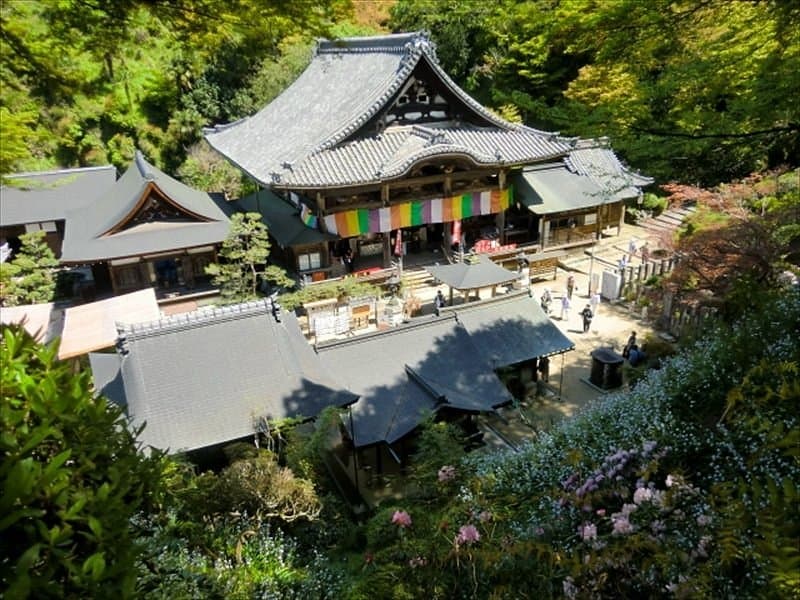
A common sentiment among some visitors is that while historically significant, the temple's current appearance, having been rebuilt multiple times, might not convey the 'ruin' or extreme antiquity one might expect from the oldest temple. Some also feel that, apart from the bronze Buddha, it can appear as an 'ordinary temple.' To mitigate this, approach the visit with an appreciation for its historical context rather than expecting grand, original architecture. Engaging with the explanations provided by staff can significantly deepen the understanding and appreciation of the site's importance.