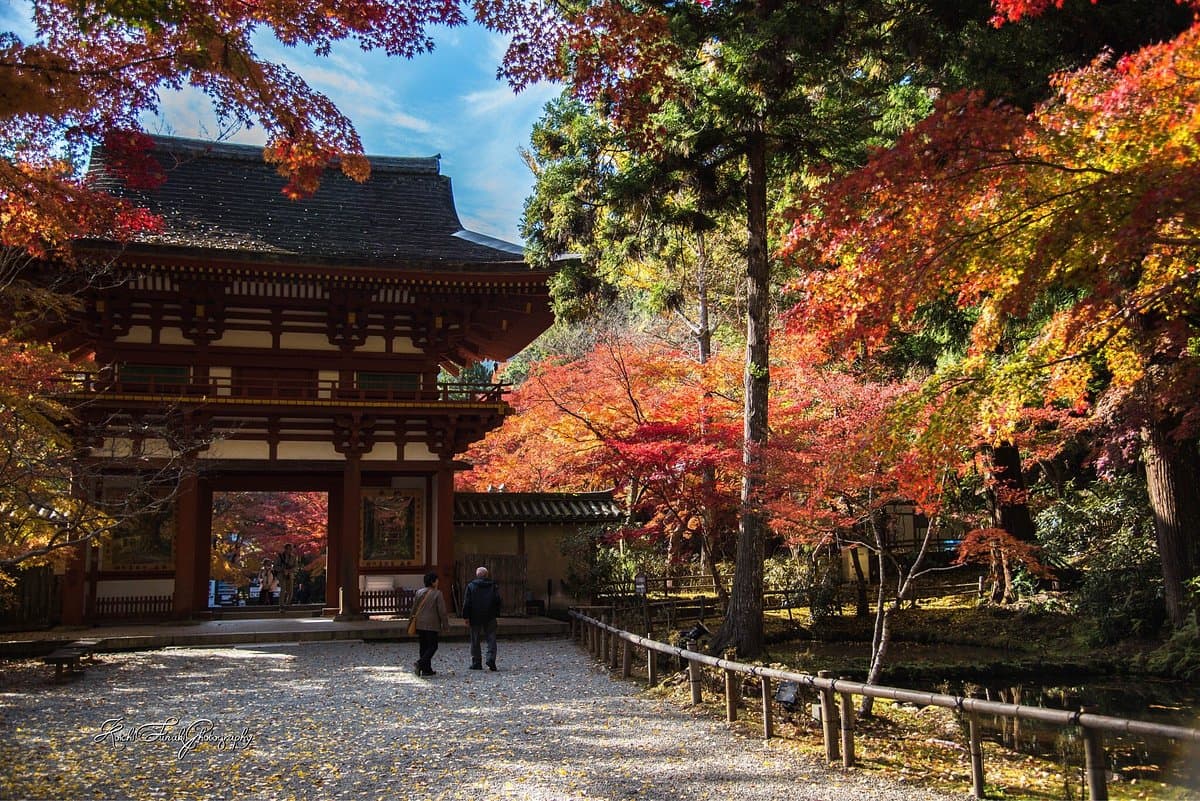
Muroji Temple holds a unique place in Japanese Buddhist history, famously known as "Women's Koyasan" because, unlike many sacred sites of its time, it welcomed female worshippers. This historical significance, combined with its stunning natural setting deep within a mountain forest, makes it a profound destination for those seeking both spiritual reflection and architectural appreciation. The temple complex features several National Treasures, including its Golden Hall (Kondo) and the smallest outdoor five-story pagoda in Japan, all harmoniously integrated into the landscape.
Visitors frequently highlight the temple's incredibly peaceful and non-touristy atmosphere, especially when compared to more crowded sites. Many describe the experience as healing and meditative, with the quiet forest setting enhancing the spiritual ambiance. The intricate wooden buildings and the unique expressions of the Buddha statues within each hall are consistently praised for their beauty and historical value. Reviewers often recommend visiting during autumn for the vibrant foliage or, for a truly magical experience, during winter when the temple is covered in snow, noting its mysterious beauty.
Practical advice from visitors emphasizes wearing comfortable, sturdy shoes, especially if planning to ascend to the Okunoin (Inner Sanctuary). This path involves steep stone steps that can be challenging, particularly when wet or muddy. Reviewers suggest allocating at least 2-3 hours to fully explore the main grounds and the ascent to Okunoin. While the temple is beautiful year-round, spring (April-May) offers blooming flowers, and autumn brings spectacular fall colors. To avoid crowds and experience the temple's tranquility, arriving early in the morning is highly recommended. Some visitors mention that special viewings of certain Buddha statues in the Kondo might require an extra fee or be available only during specific seasons.
Reaching Muroji Temple requires some planning due to its somewhat remote location. Many visitors arrive by car, noting that private parking lots are available near the entrance (around 600 JPY). For those using public transport, the most common approach is to take a bus from Muroguchiono Station. However, bus services are infrequent (often once an hour), so checking the schedule in advance is crucial. Some reviewers opted for a taxi from Muroguchiono Station, which costs under ¥2000 and is a convenient alternative given the bus schedule. The temple is situated along the Murou River, and the walk from the parking area to the main temple entrance, including crossing the Taiko Bridge, is considered part of the scenic experience.
A common complaint revolves around the challenging access, particularly the steep and potentially slippery steps to the Okunoin, especially on rainy days. To mitigate this, visitors are strongly advised to wear appropriate footwear with good grip. Additionally, the infrequent bus service can be a minor inconvenience; planning around the bus schedule or considering a taxi are effective solutions. Despite these minor challenges, the overwhelming sentiment is that the temple's unique beauty and serene atmosphere make the journey well worth the effort.