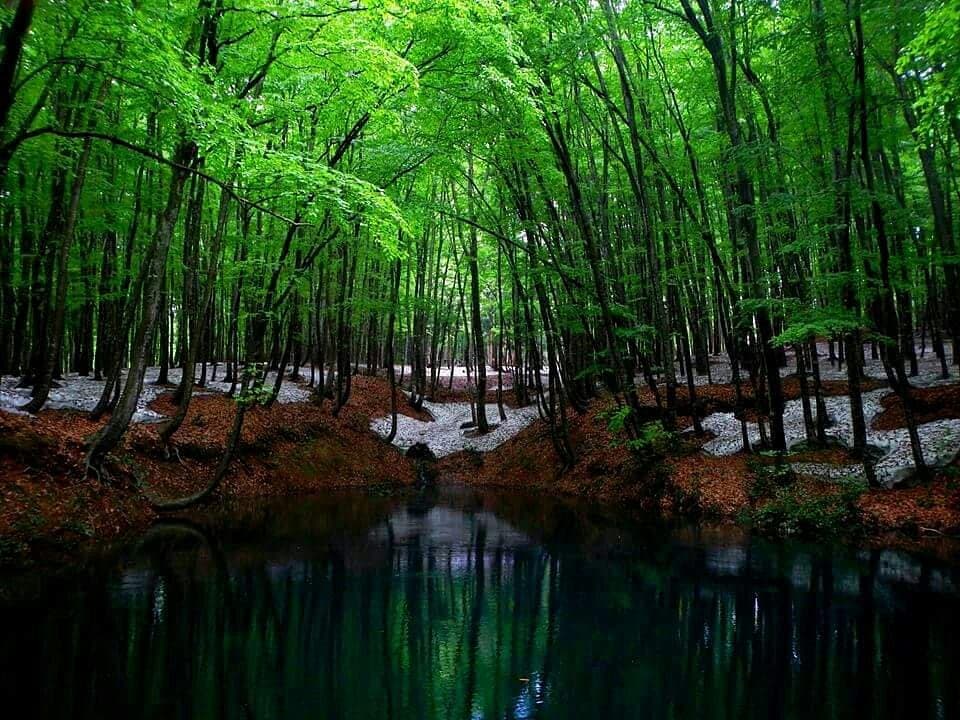
The Echigo-Matsunoyama Museum of Natural Science is a distinctive institution located in the hills of Niigata Prefecture, renowned for its unusual architecture and its ability to integrate with the extreme natural environment. Designed by Takaharu Tezuka, the building intentionally resembles an industrial relic or a 'ruin,' particularly with its pre-rusted steel exterior. This design choice allows it to blend seamlessly with the dramatic landscape, especially during the winter months when it becomes almost entirely buried under immense snowdrifts, sometimes reaching depths of 23 feet.
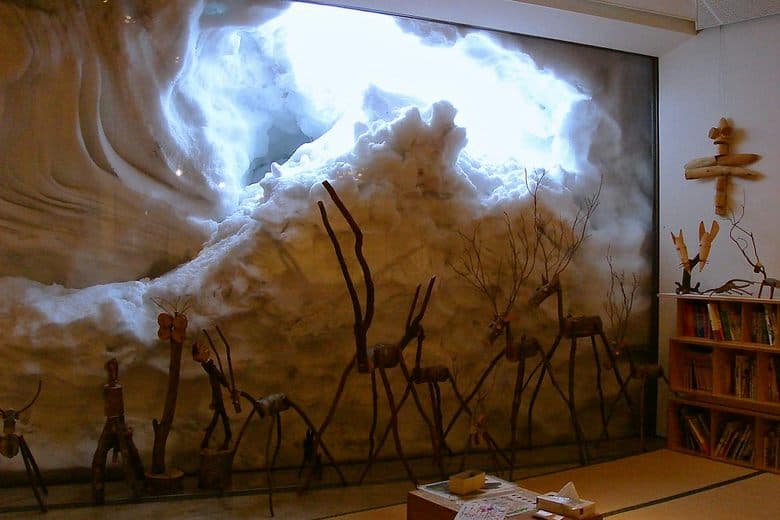
Visitors consistently praise the museum's unique architectural concept and its interaction with the surrounding nature. The large, pane-less windows, made from three-inch thick composite acrylic (the same material used in aquariums), offer a direct view of the snow piled outside, and occasionally, glimpses of life forms suspended within it. Reviewers often highlight the 'groaning' sounds the building makes under the snow's pressure in winter, adding to the immersive experience. The lookout tower is another point of interest, providing panoramic views of the mountains and meadows, and featuring a solar-powered light-and-sound art installation that visitors find captivating. Beyond the architecture, the museum's impressive butterfly collection and 'The Amusing Boxes' exhibit, which contains around 200 drawers filled with local 'oddments' like snakeskins and cicada shells, are frequently mentioned as engaging and informative.
For a fulfilling visit, allocate approximately 2-3 hours to explore the museum thoroughly. The best time to visit depends on your interest: winter offers the most dramatic experience of the building interacting with snow, while other seasons allow for clearer views of the surrounding natural landscape. Dress warmly if visiting in winter, as the area can be extremely cold. There are no specific warnings about what to skip, as all exhibits contribute to the overall experience. Bringing a camera is highly recommended to capture the unique architecture and views.
Information regarding public transport directly to the museum is limited in visitor reviews. Given its location in the hills of Niigata Prefecture, it is advisable to research local bus schedules or consider driving. If driving, ensure your vehicle is equipped for snowy conditions if visiting in winter. Parking availability should be confirmed beforehand. The museum's somewhat remote location means planning your journey in advance is crucial.
Common complaints are rare, but some visitors might find the remote location challenging to access without a car. To mitigate this, consider combining your visit with other attractions in the Niigata Prefecture or arranging private transport. The museum's focus on natural science and architecture might not appeal to all, so those seeking traditional art or history museums might find it less engaging.