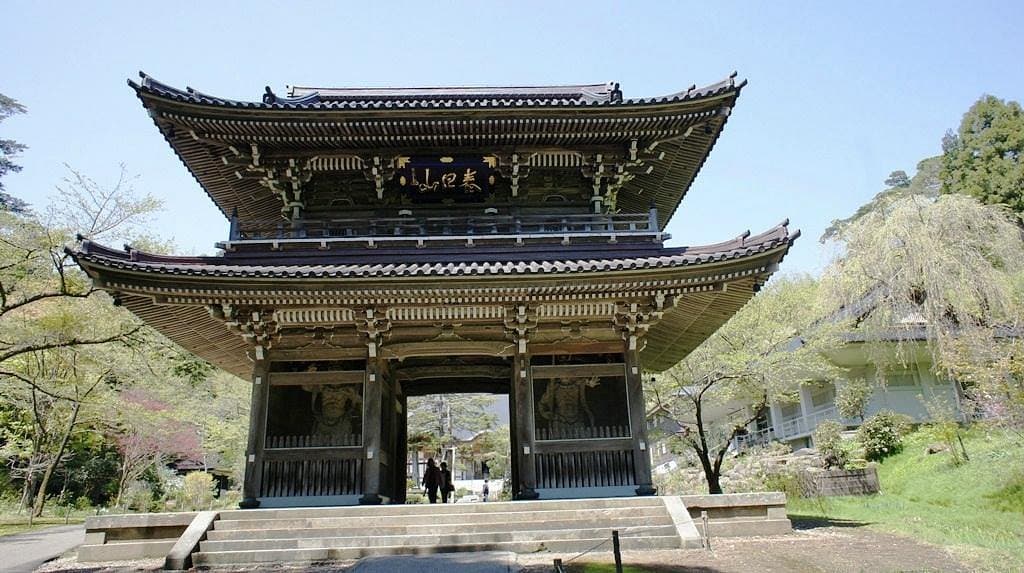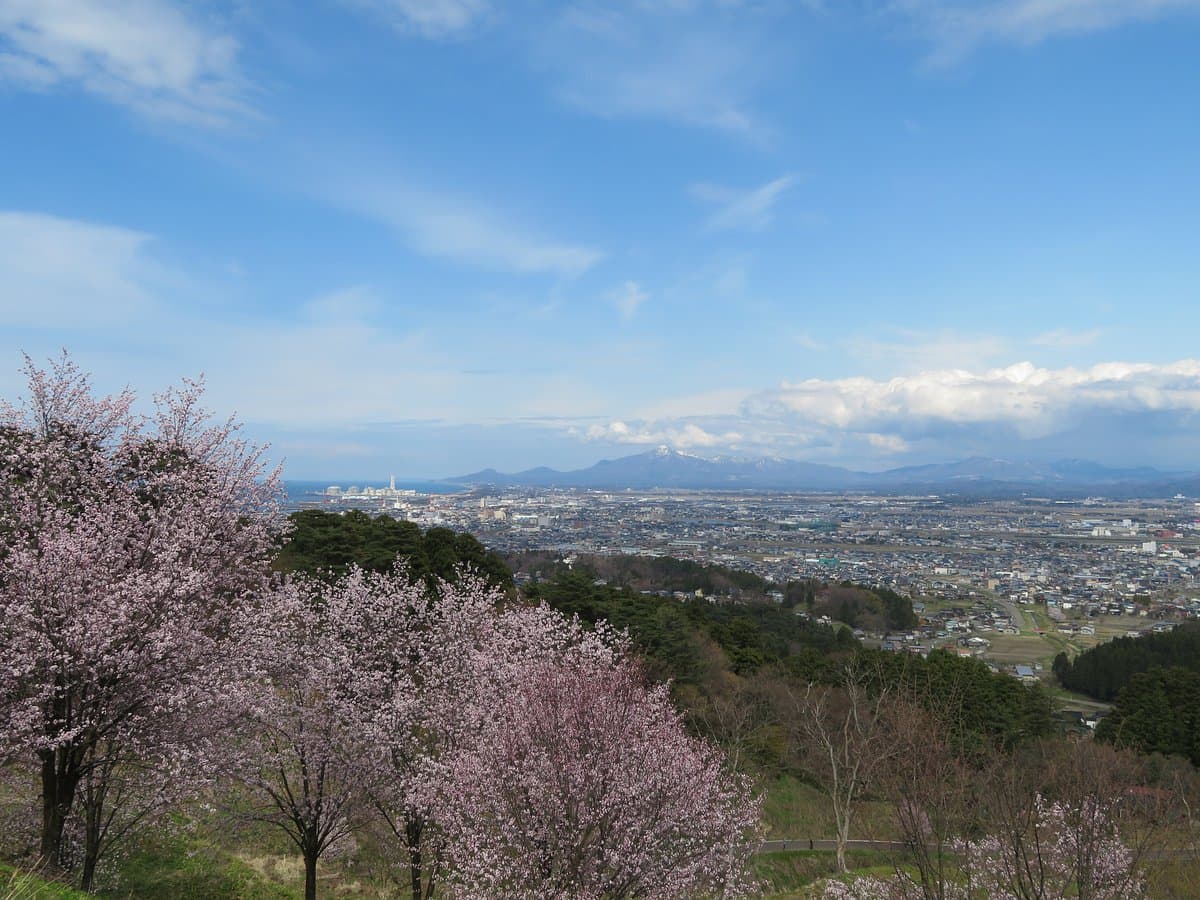
Kasugayama Castle Ruins represent a pivotal historical site, renowned as the primary residence of the legendary samurai Uesugi Kenshin, a prominent figure during Japan's Sengoku period. While the original structures are no longer standing, the expansive terraced earthworks, foundations, and strategic layout provide a vivid impression of its former grandeur and defensive capabilities. It's a place where visitors can connect directly with the legacy of one of Japan's most revered warlords.
Visitors consistently praise the immersive experience of hiking through the natural landscape while exploring the castle's various levels. Many highlight the fresh air, abundant nature, and the sense of stepping back in time. The journey to the summit, often described as a good workout, is rewarded with statues, shrines, and unique sculptures along the way. Reviewers frequently mention the spiritual atmosphere, particularly around Kasugayama Shrine and the statue of Uesugi Kenshin.
For a comfortable visit, it is highly recommended to wear sturdy hiking shoes due to the uneven terrain and numerous stone steps. Bringing water is essential, especially during warmer months, as the hike can be strenuous. Most visitors suggest allocating at least 2-3 hours to fully explore the site and enjoy the views. Arriving early, around 7 AM, is noted by some as an excellent way to experience the tranquility of the ruins before crowds arrive.
The ruins are located in Joetsu, Niigata Prefecture. Visitors often mention a parking lot at the foot of the castle, from which a long set of stone steps leads up to Kasugayama Shrine and then further to the summit. While specific public transport details are not frequently mentioned in reviews, the presence of a parking lot suggests accessibility by car. It is advisable to check local transport options or drive to the site.
A common observation is that the climb can be challenging due to steep sections and numerous steps. Visitors should be prepared for a moderate to strenuous hike. Those with mobility issues might find some areas difficult to access. Planning for sufficient time and bringing appropriate gear can mitigate these challenges, allowing for a more enjoyable exploration of this historically rich site.