Beppu Onsen is not just a single hot spring but a collection of eight distinct hot spring areas, known collectively as Beppu Hatto. This region boasts the second-highest volume of hot spring water in the world, surpassed only by Yellowstone National Park, and features 10 out of the 11 known types of hot spring water. It's a place where the earth's raw power is visibly expressed through steaming vents, colorful pools, and bubbling mud, making it a significant destination for both its natural beauty and its deep-rooted onsen culture.
Visitors consistently praise the sheer variety of experiences available, from the purely ornamental 'Hells of Beppu' (Jigoku Meguri) with their vibrant, otherworldly appearances, to numerous public baths and ryokans offering traditional soaking experiences. Many reviewers highlight the affordability of some public onsens, such as Takegawara Onsen, which offers a world-class experience for a modest fee. The opportunity to try unique local specialties like hot spring boiled eggs and other steamed dishes (Jigoku Mushi) is also a recurring positive theme. The therapeutic qualities of the diverse mineral-rich waters are frequently mentioned, with many finding the experience deeply relaxing and beneficial for the skin.
For a comprehensive visit, it is recommended to allocate at least one full day, or ideally two, to explore the different hot spring areas and attractions. Many suggest starting with the 'Hells of Beppu' tour, which can take a few hours, and then dedicating time to a traditional onsen soak or a unique sand bath. Reviewers advise bringing your own toiletries and towels if visiting public baths like Takegawara Onsen, as they may not be provided. Trying the local hot spring-steamed food is a must-do culinary experience. Visiting during the cooler months is often recommended for a more comfortable onsen experience.
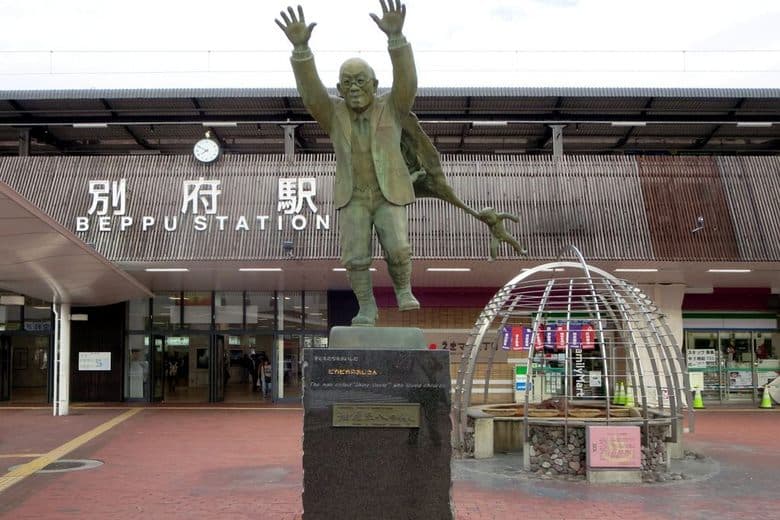
Getting around Beppu is facilitated by the efficient Kamei Bus system. Reviewers frequently mention the convenience of the bus, particularly for reaching the 'Hells' and various onsens. The 'City round trip route' (red line) departing from Beppu Station West Exit is particularly useful. For those staying near Beppu Station, many onsens are within walking distance, such as Takegawara Onsen, which is about a 20-minute walk. The WANDER COMPASS BEPPU tourist information center, located near Beppu Station, is highly recommended by visitors for its excellent English-speaking staff, who can provide maps, bus schedules, and personalized recommendations, including advice on less crowded, traditional onsens.
While the overall experience is overwhelmingly positive, some visitors note that the 'Hells of Beppu' can feel a bit touristy and crowded, especially during peak times. To mitigate this, consider visiting earlier in the morning or later in the afternoon. For a more authentic and less crowded onsen experience, consult with local information centers like WANDER COMPASS BEPPU, as they can guide you to smaller, traditional baths favored by locals. Be aware that some traditional onsens may have strict rules regarding tattoos or require nudity, so it's advisable to research specific bath etiquette beforehand.