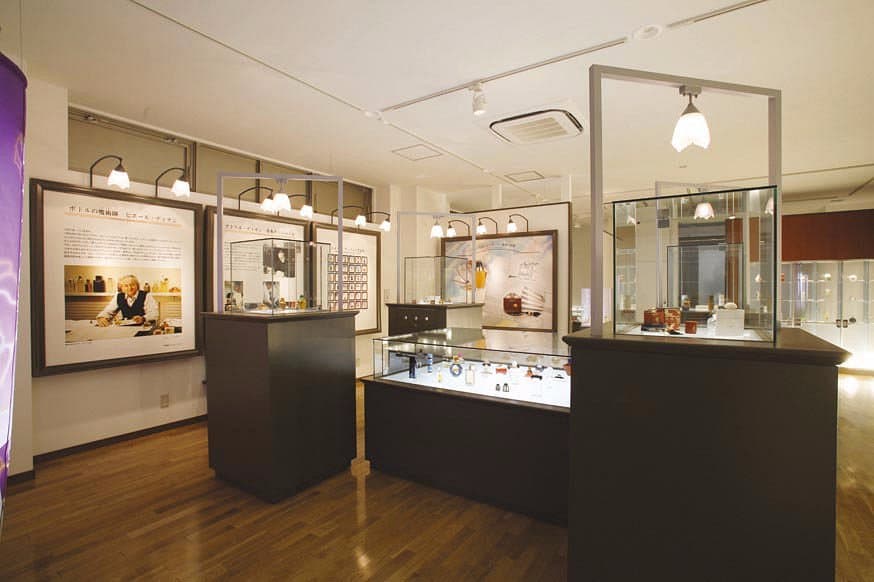
The Oita Fragrance Museum is a unique private museum dedicated to the world of perfumes, showcasing an extensive collection of fragrances and historical perfume bottles from around the globe. It offers a deep dive into the history and cultural significance of scents, making it a distinctive stop for those interested in the olfactory arts.
Visitors consistently praise the museum's well-curated collection and the opportunity to smell various animal and plant-based ingredients used in perfumes. Many find the history of fragrances fascinating, and the display of perfume bottles is often likened to an art exhibit. A highlight for many is the interactive experience of creating a personalized perfume, though this comes with an additional charge. Reviewers note that the museum's atmosphere is fresh and not overwhelmingly perfumed, contrary to what one might expect.
To make the most of your visit, consider arriving early to avoid potential crowds, especially if you plan to participate in the perfume-making workshop. While the museum is relatively small, allowing for a visit of 1-2 hours, those opting for the workshop should allocate more time. Several signs are available in English, which enhances the experience for non-Japanese speakers. Remember that the perfume-making activity costs an additional 2,500 yen on top of the entrance fee.
The museum is located at 48-1 Kitaishigaki, Beppu. Reviewers mention that it's about a 20-minute walk from the nearest train station, describing the route as pleasant, passing by bubbling streams characteristic of Beppu. While public transport is an option, some visitors found it convenient to drive, especially if they had a car and were exploring the area. Parking information is not explicitly detailed in reviews, but the mention of driving suggests it's accessible by car.
A common complaint among some foreign visitors is that much of the information, particularly for the perfume-making course, is primarily in Japanese, which can limit the experience for non-Japanese speakers. While some English signage is present, a deeper understanding might require translation apps or a guide. The museum is also described as small, leading some to feel that the 15-minute visit mentioned by one reviewer might be too short for the entrance fee if not engaging with the interactive elements.