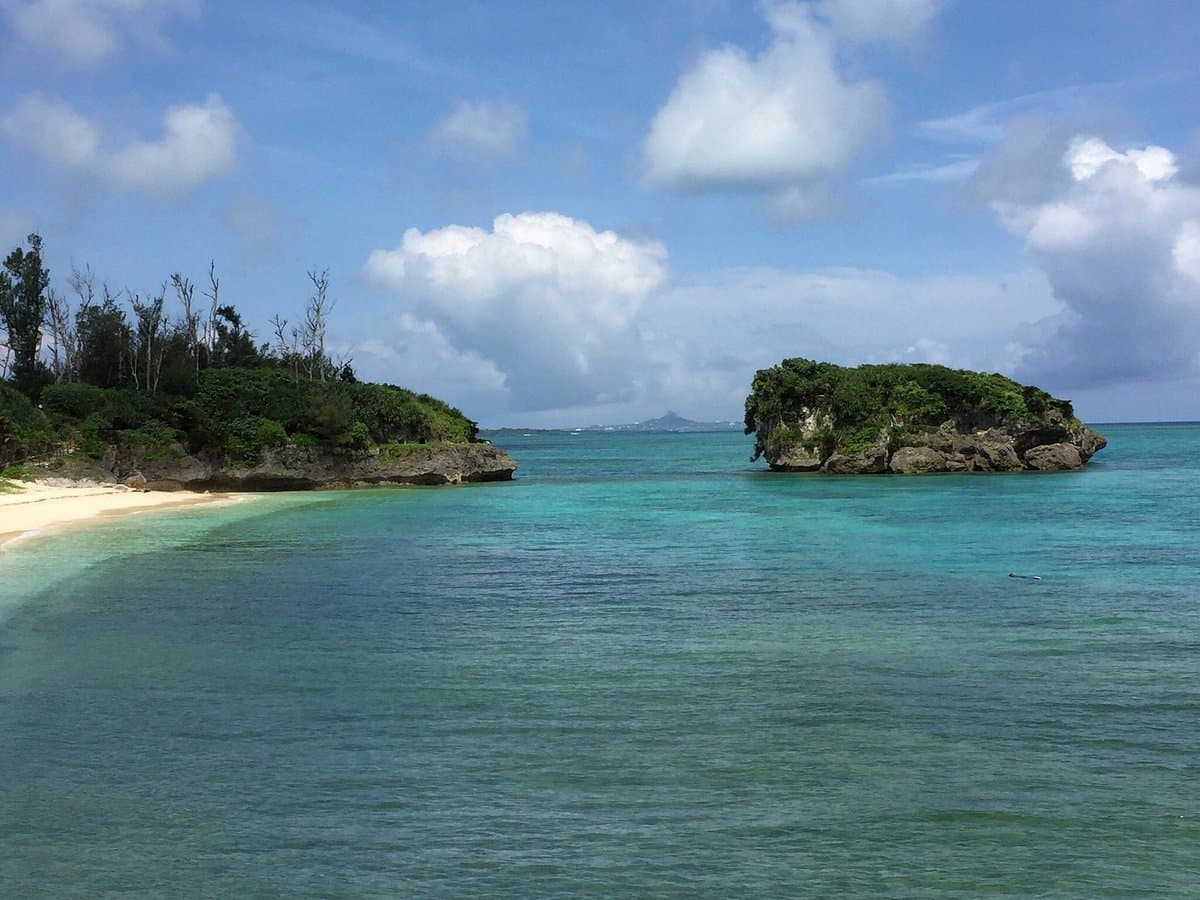
Akabaka Beach is a natural coastal area in Okinawa Prefecture. While it offers a glimpse of Okinawa's natural beauty, its primary significance lies more in its local appeal rather than as a major tourist destination. The beach itself is generally quiet and less developed compared to more popular Okinawan beaches, appealing to those seeking a more secluded experience.
Visitor experiences at Akabaka Beach are notably mixed, largely due to issues surrounding access and property. While some reviewers appreciate the natural scenery and tranquility, a recurring complaint centers on parking. Several visitors have reported confusing parking arrangements, with unclear distinctions between private and free parking areas. This confusion has, in some instances, led to confrontational encounters with individuals claiming to manage private property, demanding parking fees. This aspect significantly detracts from the overall visitor experience, overshadowing the beach's natural charm.
Given the reported issues, it is advisable to exercise caution if planning a visit. If you choose to go, allocate a short amount of time, perhaps 30 minutes to an hour, primarily for a quick look rather than an extended stay. There are no specific facilities mentioned, so visitors should bring their own water and any other necessities. It is best to visit during daylight hours to clearly assess parking situations and avoid any misunderstandings.
Information regarding public transport to Akabaka Beach is scarce, suggesting that it is primarily accessible by private vehicle. However, the parking situation itself is a major point of contention. Visitors should be extremely vigilant about parking signs and markings, or lack thereof, to avoid disputes. It is unclear if there is a designated, clearly marked free parking area that is consistently available and undisputed.
The most common complaint revolves around the parking situation and the aggressive behavior of individuals claiming private property rights. To mitigate this, visitors should be prepared for potential confrontations and consider if the brief natural appeal of the beach outweighs the risk of a negative experience. If parking seems ambiguous, it might be best to avoid stopping altogether and seek out other, more clearly accessible beaches in the region.