Yonehara Beach is a celebrated natural attraction on Ishigaki Island, primarily known for its exceptional snorkeling. Unlike many other beaches where marine life is further offshore, Yonehara offers immediate access to a rich underwater world of colorful fish and corals just a short swim from the beach. This accessibility makes it a standout destination for both experienced snorkelers and beginners, providing an immersive experience without the need for boat trips.
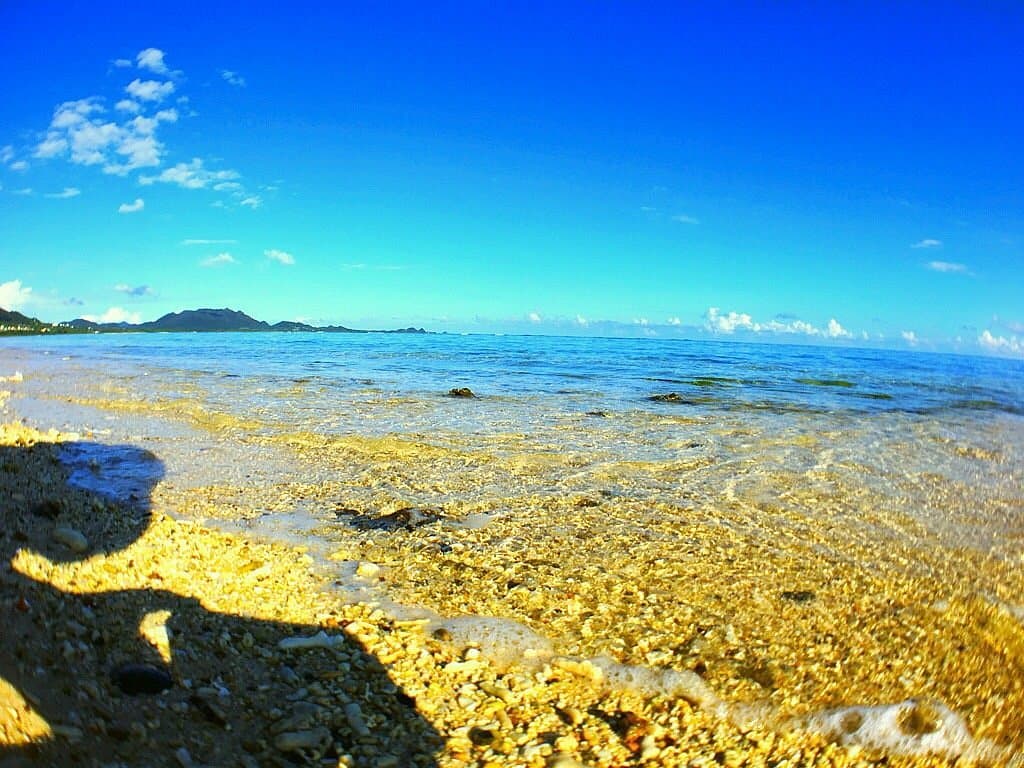
Visitors consistently highlight the sheer abundance and variety of fish visible even in shallow waters, with many describing it as one of the best snorkeling spots on Ishigaki Island. The presence of live corals, despite some bleaching concerns, adds to the appeal. Reviewers frequently mention seeing cobalt blue fish, sea cucumbers, and even sea snakes. The clear, calm waters, often protected by a natural breakwater, contribute to a pleasant snorkeling experience. However, several visitors note that the beach itself is a mix of sand and coral fragments, making marine shoes or water socks essential for comfortable walking and protection.
For a rewarding visit, consider checking tide tables as snorkeling is often best at high tide, when there's more water over the reef. Many recommend spending 2-3 hours to fully enjoy the snorkeling. Bringing your own snorkeling gear is advisable, though rental shops like Jelly Fish are available nearby. Sunscreen is crucial due to limited natural shade, and a tent or umbrella can provide much-needed relief. While some facilities exist, such as paid parking (around 500 JPY) and showers (around 200 JPY), the beach maintains a somewhat rustic charm. Some visitors suggest bringing your own food and drinks, though vending machines and a small shop are available.
Yonehara Beach is accessible by rental car, with paid parking lots available. Some savvy visitors mention driving past the initial paid parking to find free parking near the Yonehara camp or pizza/taco signs. For those relying on public transport, buses from Ishigaki city's bus terminal are an option, though reviewers warn about infrequent schedules, sometimes requiring a wait of up to two hours. A day travel pass can make bus travel more economical. The bus stop is conveniently located near the beach.
Common complaints include the presence of plastic pollution on some parts of the beach, which can detract from the natural beauty. Visitors also note that the beach can get crowded, especially during peak times like Golden Week, and that the sand is not always soft due to coral fragments. To mitigate these issues, visiting during the off-season or early in the morning can offer a more serene experience. Always be mindful of currents and warning signs about dangerous marine life, and avoid walking directly on corals to protect the delicate ecosystem.