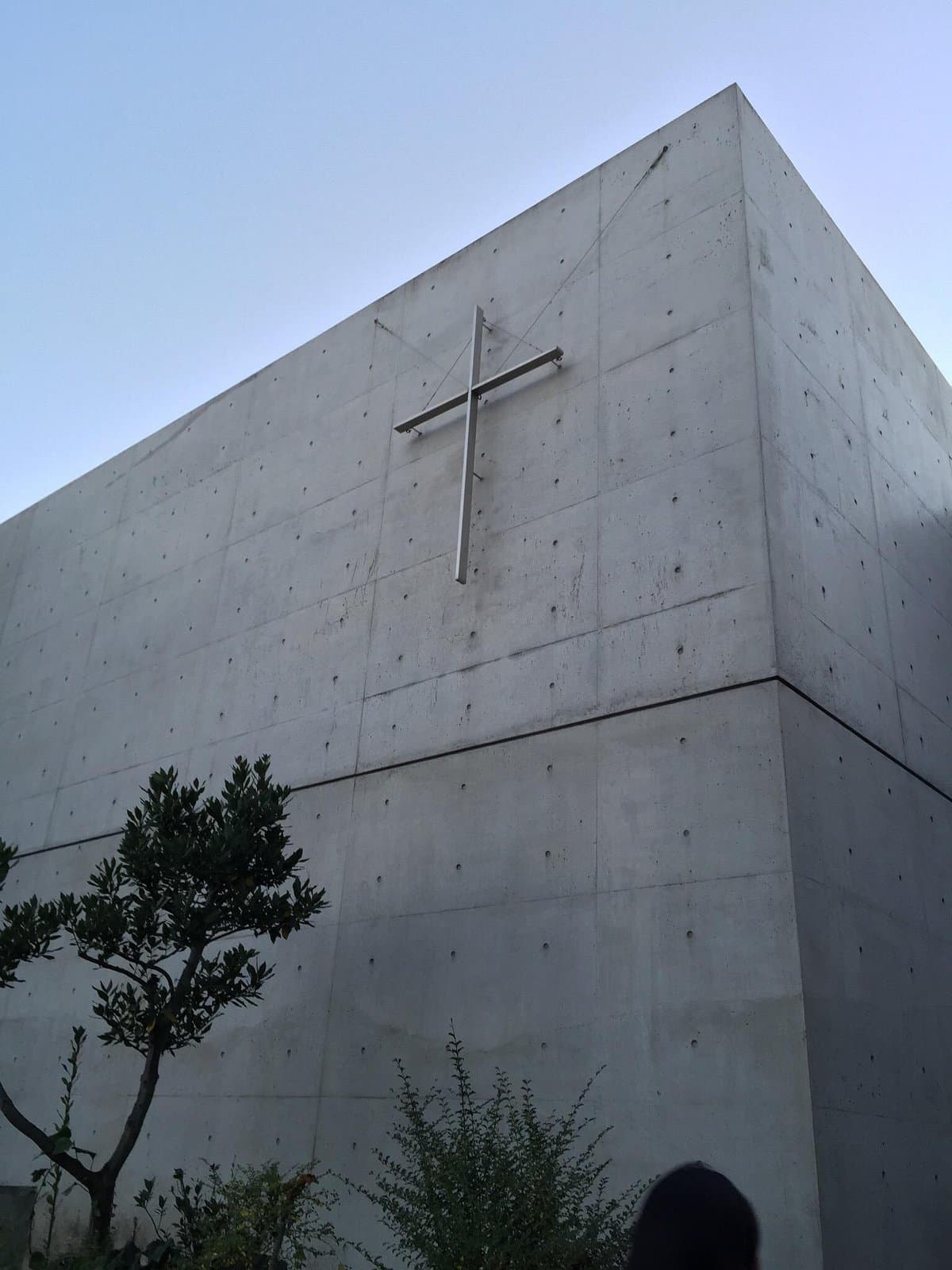
The Ibaraki Kasugaoka Church, widely known as the Church of the Light, is a seminal work by the renowned Japanese architect Tadao Ando. It stands as a powerful example of minimalist architecture, utilizing raw concrete and natural light to create a profound spiritual space. Its significance lies in Ando's masterful use of light, particularly the cross-shaped aperture that allows light to penetrate the sanctuary, symbolizing spiritual illumination within a stark, modern setting.
Visitors consistently describe the church as a humbling, inspirational, and peaceful place. Many are struck by the contrast between its simple, concrete exterior and the sophisticated, almost ethereal interior created by the play of light. Reviewers frequently highlight the unique architectural experience, noting how the minimalist design is not void but rather deeply contemplative. While some expect a grand, traditional church, visitors emphasize that it is a low-key, local church, and its appeal lies in its architectural brilliance rather than elaborate religious ceremonies.
To make the most of your visit, it is crucial to plan ahead. Several reviewers stress the importance of checking the church's official website for visiting days and times, as it is not open every day and often requires advance registration. Visitors recommend allocating about 1-2 hours to fully appreciate the architecture and atmosphere. Bringing a good camera is advisable for capturing the unique light effects. It's also noted that the church is a place of worship, so respectful attire and behavior are expected. Do not expect extensive tourist facilities or guides; the experience is primarily about the architecture itself.
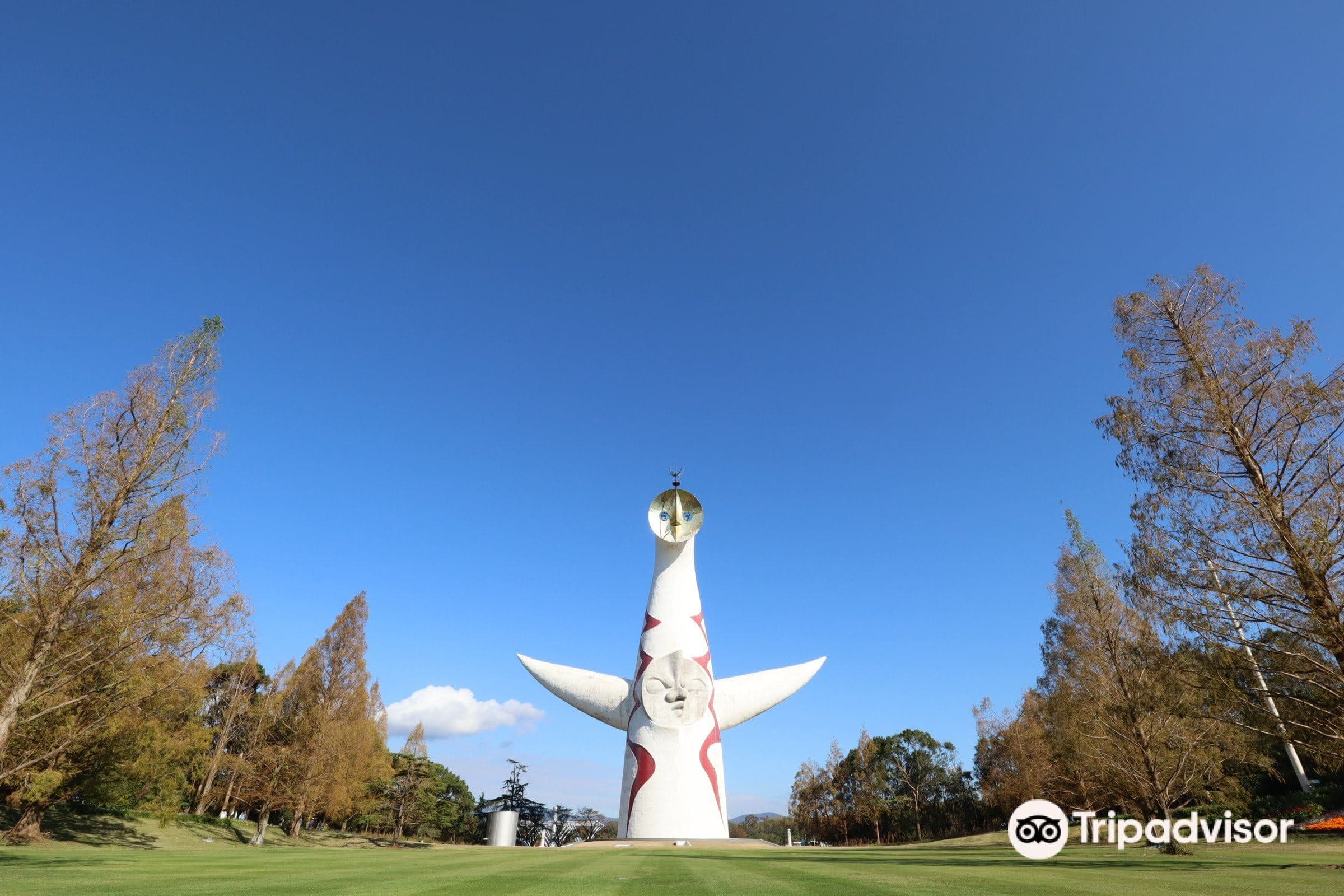
Accessing the Church of the Light requires a bit of travel from central Osaka. Visitors recommend taking the train to JR Ibaraki Station. From there, take bus number 2 to Kasugaokakoen, which is often the last stop. The bus ride from Ibaraki Station is approximately 15 minutes. While some reviewers mention a 1.5 km distance from the 1972 Osaka Expo site, the most direct route for tourists is via public transport from Ibaraki Station.
A common complaint among visitors is the limited and sometimes confusing access schedule. Some have arrived only to find the church closed or requiring prior booking. To mitigate this, always consult the official church website well in advance of your planned visit. Another point raised is the lack of English-speaking staff or translators during services; however, English Bibles are often provided. Managing expectations regarding its function as an active local church rather than a purely tourist attraction can also enhance the experience.