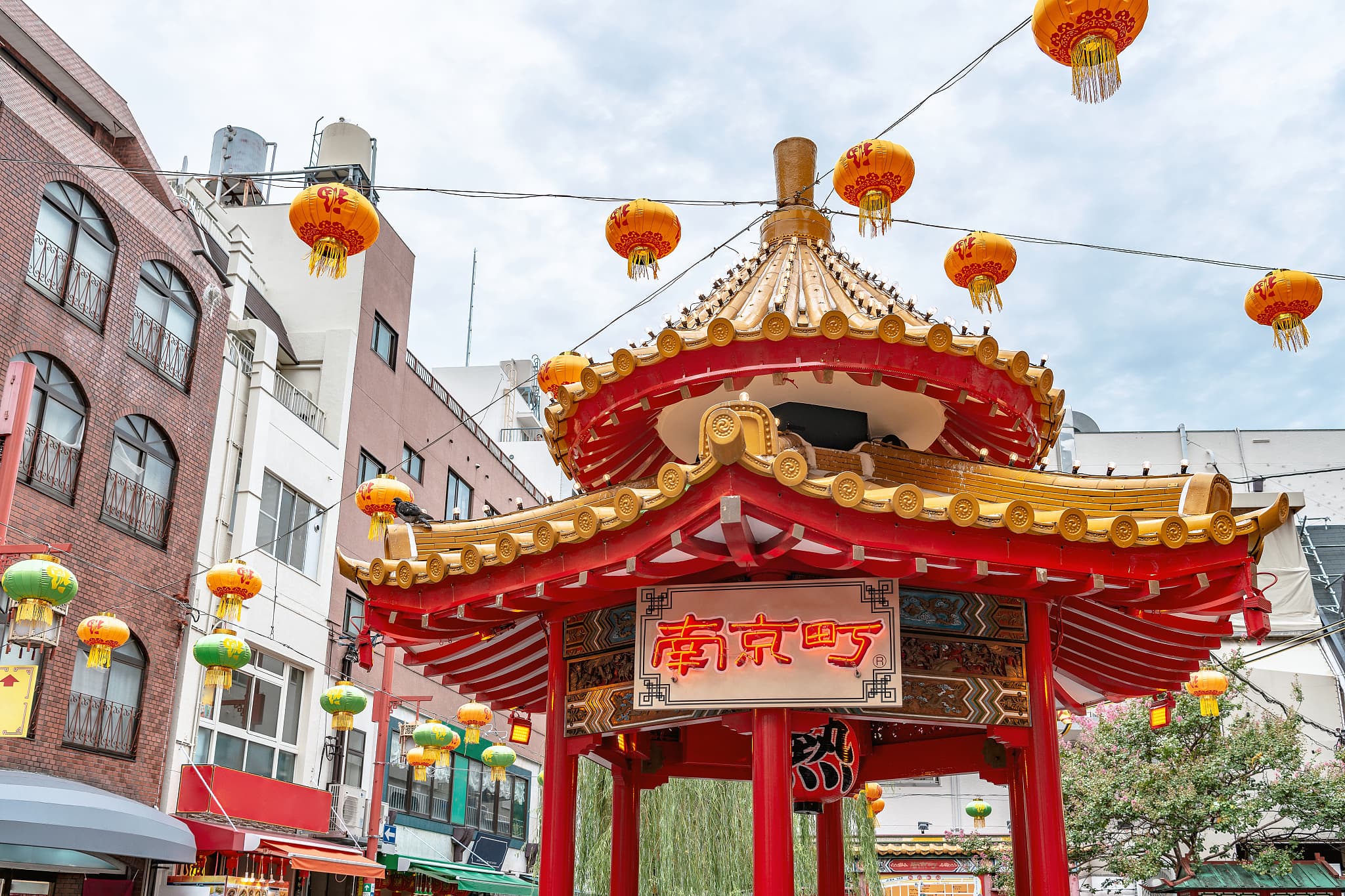
Kobe Chinatown Nankin-machi is one of Japan's three major Chinatowns, offering a concentrated burst of Chinese culture, cuisine, and vibrant street life. Established over a century ago by Chinese immigrants, it serves as a historical and culinary landmark in Kobe, distinguishing itself with its unique blend of Japanese and Chinese influences.
Visitors consistently praise the lively atmosphere and the abundance of street food. Many reviewers highlight the opportunity to try various Chinese snacks, such as pork buns (manju), dim sum, and Peking duck, often noting the long queues at popular stalls as a sign of quality. The compact nature of the area is frequently mentioned, allowing for easy exploration and sampling of different foods. Some also appreciate the chance to find more affordable dining options compared to other parts of Kobe, while others enjoy the distinctive Chinese architecture and festive decorations, especially during events like the Spring Festival.
To make the most of a visit, it is recommended to go with an appetite and an open mind for street food. Many reviewers suggest trying a variety of snacks from different stalls rather than committing to a single sit-down restaurant, especially given the queues. Weekends and evenings are particularly bustling, offering the most vibrant atmosphere, but also the largest crowds. For those seeking a slightly less crowded experience, a weekday visit is advisable. While many stalls offer quick bites, some popular restaurants may have long lines, so planning ahead or being prepared to wait is beneficial. Bringing cash is often convenient for smaller purchases at street vendors.
Nankin-machi is easily accessible on foot from major train stations. It is approximately a 5-10 minute walk from Motomachi Station (JR and Hanshin lines) and about a 15-minute walk from Sannomiya Station (JR, Hankyu, Hanshin, and Kobe Municipal Subway lines). Reviewers often mention its convenient location, making it a good stop when exploring other nearby attractions like Kobe Port Tower or Harborland. For those driving, parking can be challenging and expensive in the immediate vicinity, so public transport is generally recommended.
A common complaint among some visitors, particularly those familiar with larger Chinatowns like Yokohama's or those in other countries, is its relatively small size and the perception that many stalls offer similar items. Some also note that the food, while tasty, might not always be 'authentic' Chinese but rather 'Japanese-style Chinese cuisine.' To mitigate this, manage expectations regarding scale and authenticity. Embrace it as a unique Japanese interpretation of a Chinatown experience, focusing on the lively atmosphere and the fun of sampling various local adaptations of Chinese dishes.