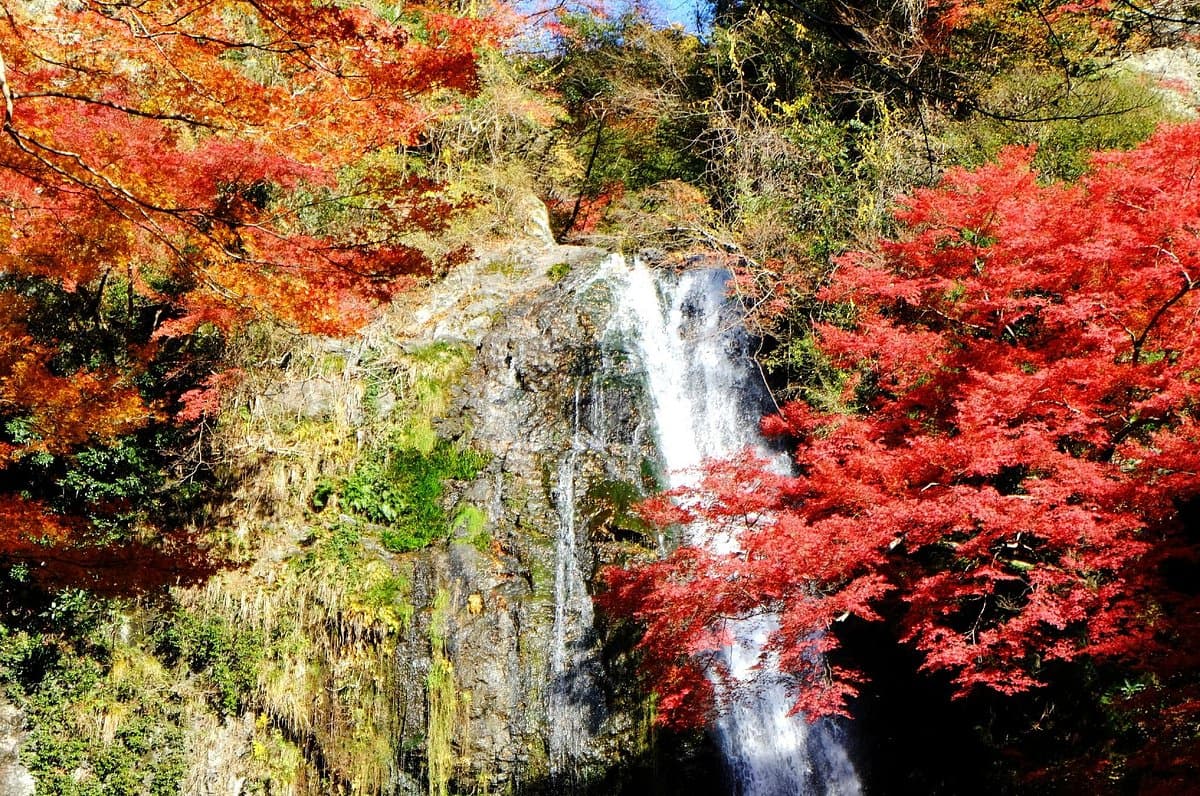
Minoo Park, one of Japan's oldest national parks, is a significant natural attraction just outside Osaka. It's renowned for its scenic beauty, particularly the Minoo Waterfall, and offers a tranquil retreat from city life. The park is especially popular during autumn when the maple leaves transform into vibrant hues, drawing both locals and tourists.
Visitors consistently highlight the enjoyable walk to the waterfall, describing it as easy, well-paved, and suitable for all ages and fitness levels. Many appreciate the peaceful atmosphere and the chance to immerse themselves in nature, often spotting wildlife like monkeys and various insects. A unique culinary experience mentioned by numerous reviewers is the 'momiji tempura' (deep-fried maple leaves), a local specialty sold along the path. Reviewers also praise the presence of temples, shrines, and an insect museum, adding cultural and educational dimensions to the visit. The park's accessibility from Osaka is a major draw, making it a convenient half-day trip.
For a more serene experience, visitors recommend arriving early in the morning to avoid crowds, especially during peak autumn foliage season. The walk to the waterfall is approximately 2.8-3 km and takes about 45 minutes to an hour at a leisurely pace. Comfortable walking shoes are essential, and bringing water is advisable, though vending machines are available. While the waterfall itself might not be considered 'spectacular' by all, the journey through the park is consistently described as the main highlight. Some visitors suggest taking a taxi to the waterfall and walking downhill back to the station for an easier route.
Minoo Park is easily accessible by train. From Osaka/Umeda Station, take the Hankyu Takarazuka Line to Ishibashi-handai-mae Station, then transfer to the Hankyu Minoo Line to Minoo Station. The entire journey takes about 30-35 minutes and costs around 270 JPY one way. The park entrance is a short walk from Minoo Station, with clear signage guiding visitors to the main trail. For those driving, some reviews mention parking lots near the waterfall, but public transport is generally recommended due to potential crowds and one-way car routes.
A common complaint, particularly in recent years, has been partial trail closures due to typhoon damage. While the main path to the waterfall is usually accessible, some side trails or sections might be temporarily closed. Visitors are advised to check the park's official website or local information centers for the latest updates on trail conditions before their visit. Despite these occasional closures, most reviewers still found the accessible parts of the park well worth visiting.