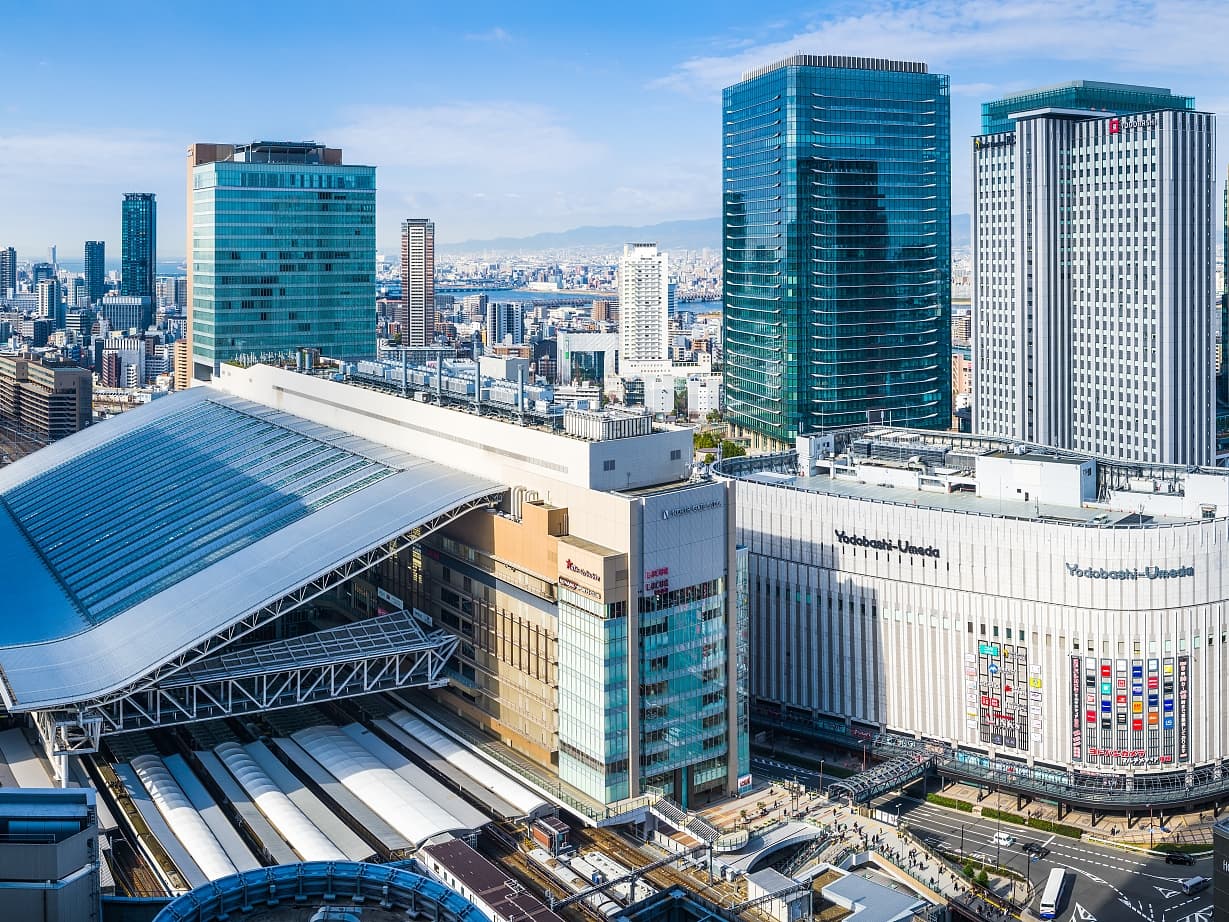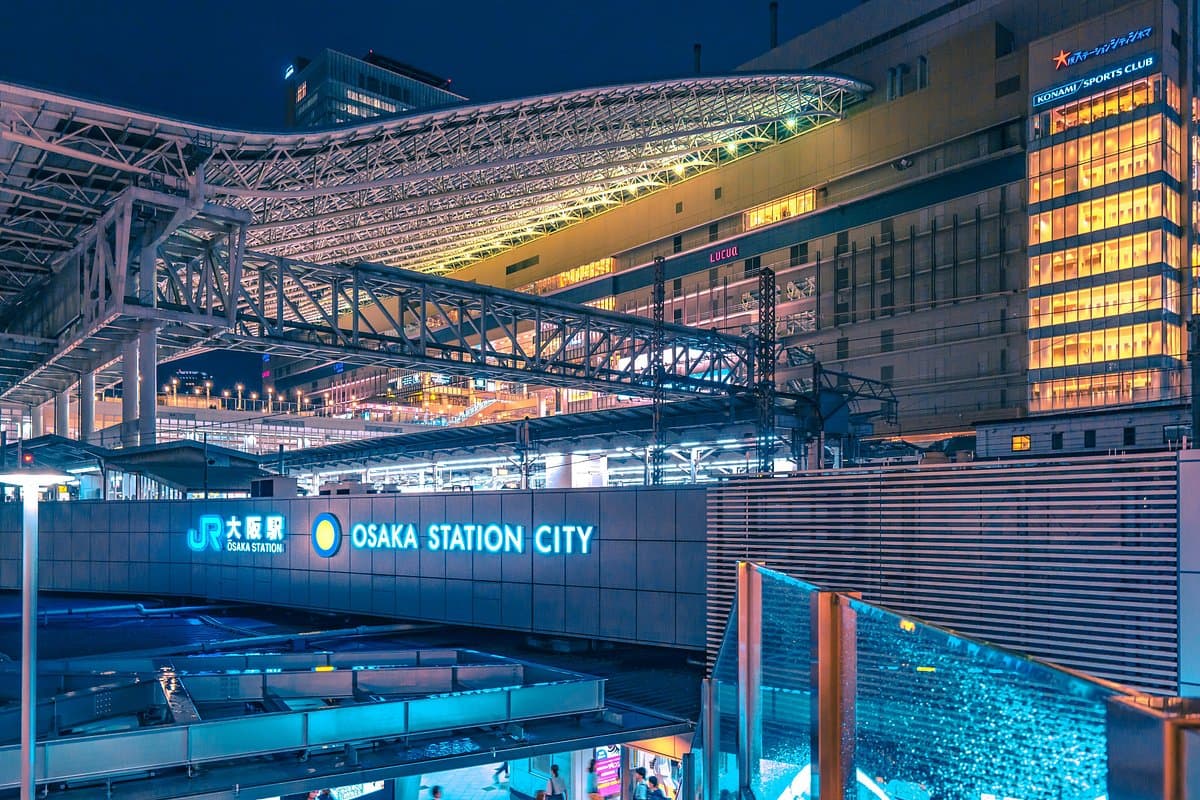
Osaka Station City is not merely a train station but a colossal urban development that acts as a central nexus for transportation, commerce, and leisure in Osaka. It's a testament to modern Japanese urban planning, integrating multiple railway lines, department stores, shopping malls, restaurants, and even green spaces into a single, seamless complex. Its significance lies in its role as a major gateway to Osaka and the wider Kansai region, while also serving as a destination in its own right for shopping, dining, and architectural appreciation.
Visitors consistently praise the station's cleanliness, safety, and efficiency, noting the punctuality of trains and the well-maintained facilities. Many are struck by its sheer size and the vast array of amenities, from luxury brands to diverse eateries. The architectural design, including the impressive glass roof over the tracks and unique features like the water clock and rooftop gardens (such as the Tenku-noen Farm or Yawaragi no Niwa), are frequently highlighted as unexpected delights. Reviewers often mention the convenience of having everything under one roof, making it an ideal spot for meeting friends, shopping, or grabbing a meal before or after a journey.
Despite its grandeur, the complex can be overwhelming due to its immense size and intricate layout. Many visitors report getting lost, especially initially. To mitigate this, it's advisable to download a map beforehand or take a photo of the large maps available. Reviewers suggest heading to the information booths (often on the 3rd floor or near major exits) early on, as staff are generally helpful and some speak English. For luggage storage, while coin lockers are available (ranging from ¥400-800), they can be fully occupied on weekends; a baggage room near the north exit is a reliable alternative. Consider purchasing an IC card (like ICOCA) for seamless travel on trains and subways.
Osaka Station City is a major transportation hub, serving numerous JR lines, including the Osaka Loop Line (convenient for Universal Studios Japan), and connecting to subway lines via the Umeda subway station. The complex is designed with extensive underground passages and pedestrian flyovers, linking it to surrounding department stores like Daimaru, Lucua, and Grand Front Osaka. If arriving by train, simply follow the clear signage (though some find it confusing at first) to navigate to exits or connecting malls. For those staying nearby, many hotels are directly connected or within a short walk. The station is also a stop for the Osaka Wonderloop bus.
The most common complaint revolves around the confusing layout and the sheer crowds, particularly on weekends and during peak hours. To avoid feeling overwhelmed, visitors recommend arriving early, especially if you have a train to catch. If you dislike crowds, consider visiting during weekday mornings or focusing on the less-trafficked upper floors and rooftop gardens. Some signage can be difficult to spot, so always look for the large digital boards and don't hesitate to ask staff for directions. While English support is available, it's not universal, so having a translation app or key phrases ready can be helpful.