 Tabelog rating
Gyokusei Ya is a beloved institution in Osaka, a tiny takeaway shop run by a husband-and-wife team dedicated to a single craft: making ohagi. These traditional sweets, made from glutinous rice and sweet fillings, are prepared to order, ensuring a freshness that has earned the shop a devoted following and consistent recognition as one of the best in western Japan.
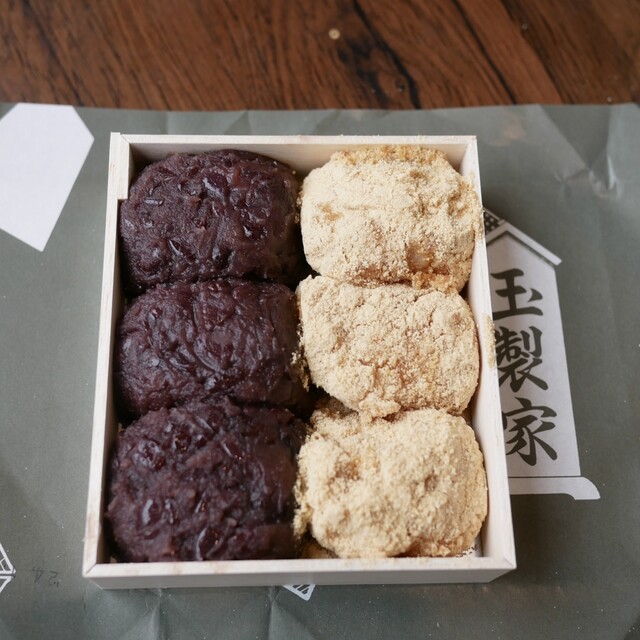
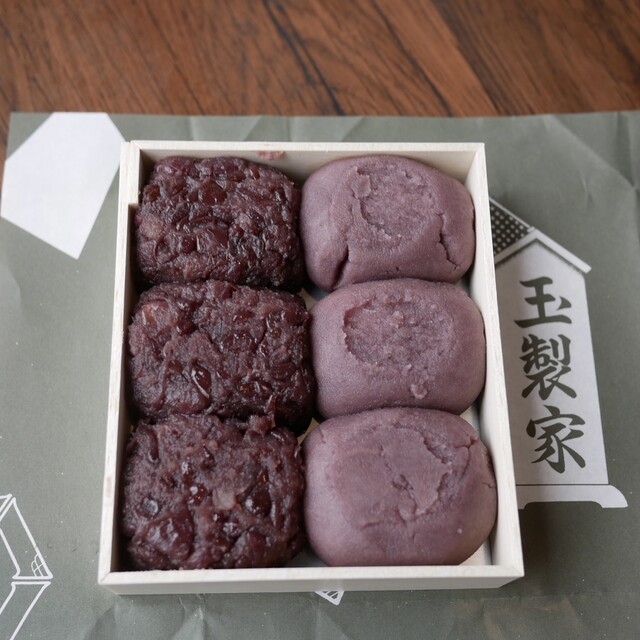
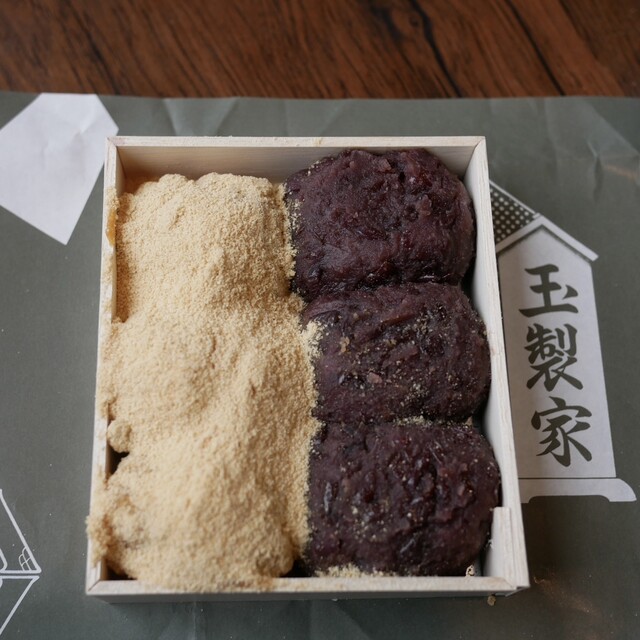
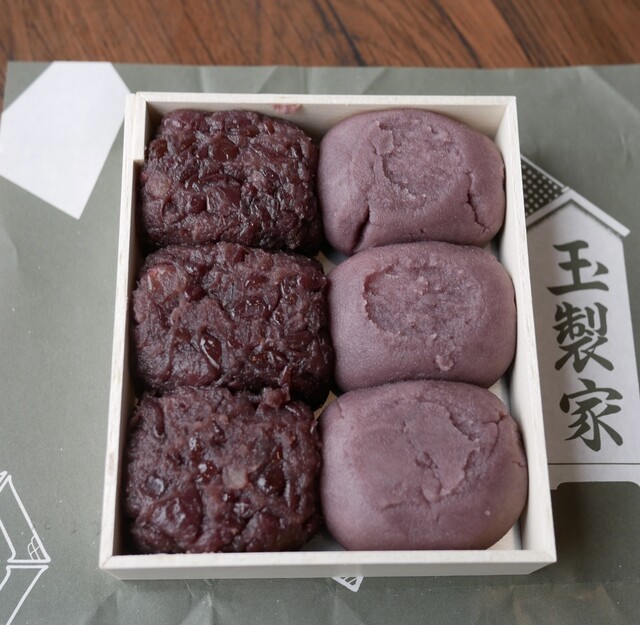
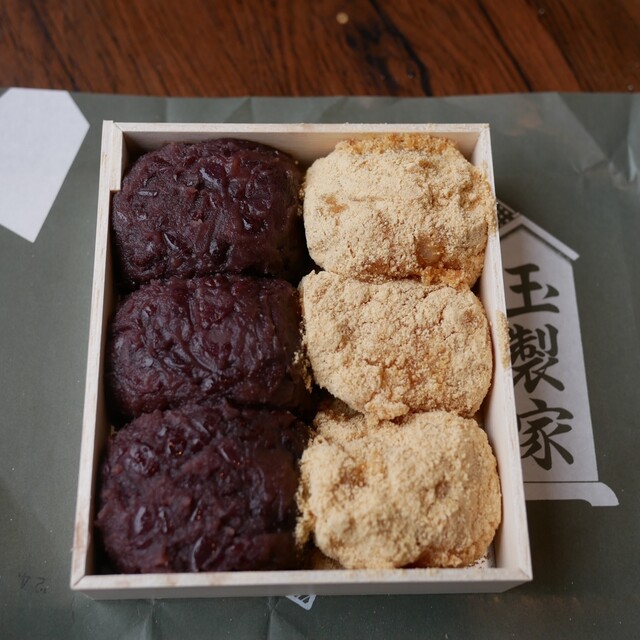
The standout, praised in countless reviews, is the kinako ohagi, coated in a generous layer of fragrant, sandy-textured roasted soybean powder. Guests also love the classic red bean varieties — tsubuan (chunky) and koshian (smooth) — for their perfectly balanced sweetness and touch of salt. Across all types, the texture of the glutinous rice is consistently described as flawless.
The main drawback is practical: Gyokusei Ya is exceptionally popular. Queues of one to three hours are the norm, often forming well before the 2 PM opening, and the shop closes as soon as it sells out. The ohagi also have a short shelf life, with the kinako variety best eaten the same day.
Despite the wait, reviewers overwhelmingly agree that the quality justifies the effort and price. A 6-piece box (with a choice of two flavours) cost reviewers around ¥1,037–¥1,170 recently, while an 8-piece box was about ¥1,382–¥1,600, representing excellent value for handmade sweets of this calibre.
- Getting There: The shop is a short walk from Nihonbashi Station (via the Sennichimae or Sakaisuji lines), accessible from Exit B28 of the Namba Walk underground passage. It is also less than a 10-minute walk from Namba Station.
- Booking: Takeaway only. Reservations are not available. Expect to queue, often for 1–3 hours or more. Arrive early, as they close when sold out.
- Payment: Cash only. Credit cards, electronic money, and QR code payments are not accepted.
- Shop Rules: Photography and mobile phone use are prohibited inside. Purchase limits (e.g., up to 30 or 60 pieces per person) may be enforced on busy days.
- Storage: The kinako ohagi must be eaten the same day for the best texture. The red bean varieties are best consumed by the next morning. Do not refrigerate them.
- Language: While staff have limited English, many international visitors successfully purchase the ohagi.