
 Tabelog rating
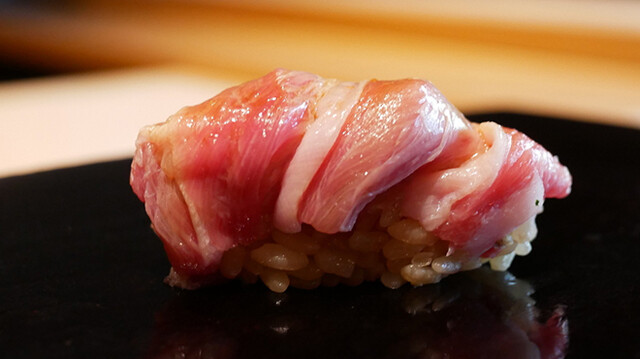
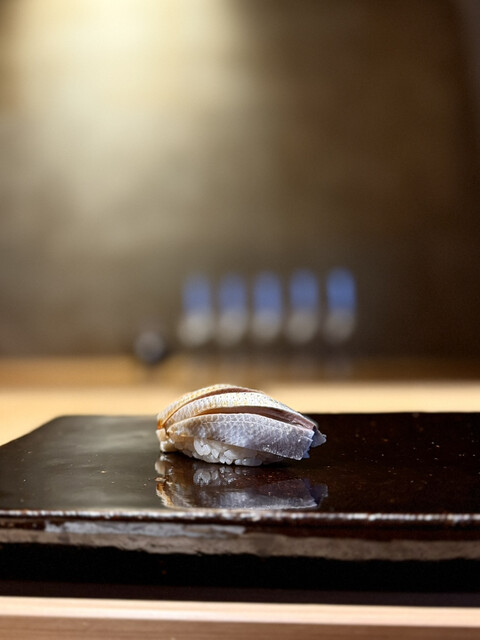
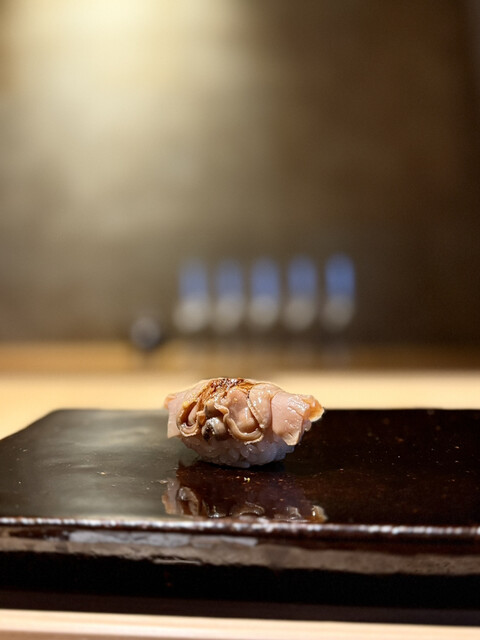
Sushi Sanshin (鮨 三心) has earned its place in the top tier of Osaka's sushi scene through a relentless focus on technique, most notably its fine control over the temperature of the sushi rice (shari). The chef adapts the rice for each topping, such as mixing it with seaweed for sea urchin (uni) or serving it warmer to contrast with chilled fatty tuna. This precision extends to a series of inventive small plates that precede the nigiri, creating a complete and memorable dining narrative.
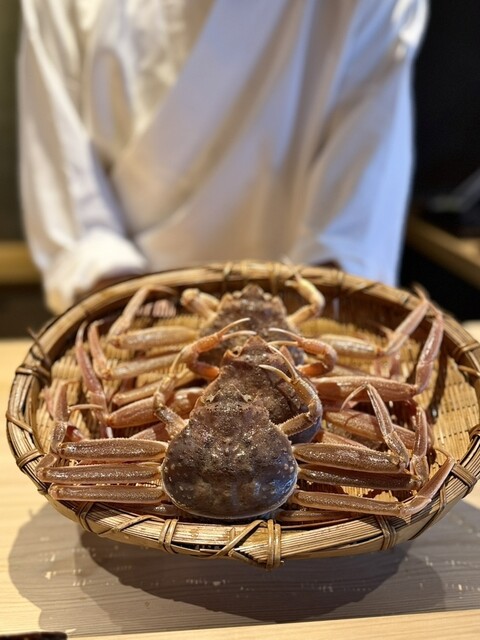
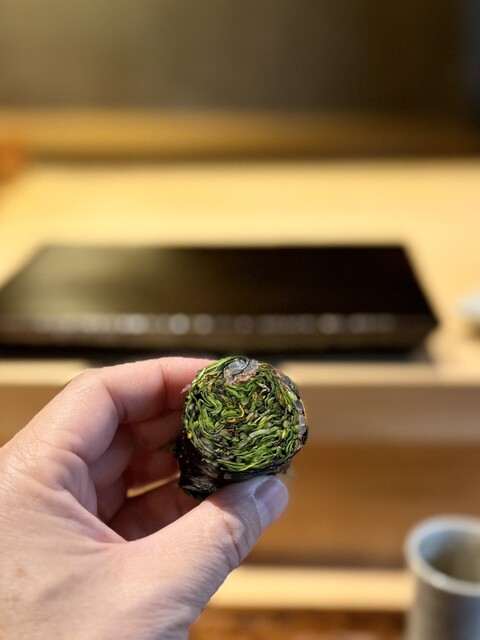
Guests consistently praise the exceptional quality of the ingredients and the creativity of the pairings. Standout dishes mentioned in reviews include a composition of hair crab, uni, and tomato granita; a delicate micro-herb roll; and the rare choice of serving raw pike conger (hamo) as nigiri. The experience is enhanced by a thoughtful service flow, which begins in a dedicated waiting room called 'Kokuya' and concludes there with dessert. The extensive list of optional add-on pieces and a well-curated sake selection are also highlights.
The primary challenge is securing a reservation. Slots released online are known to vanish in seconds, and walk-in guests are routinely turned away. While the vast majority of reviews are glowing, a few guests who were served by a substitute chef felt the experience was not quite as strong.
The omakase course costs around ¥30,800, a price reviewers find more than fair for the level of craft and quality. With drinks and several popular add-ons, bills for two people have been reported at approximately ¥78,100 to ¥81,000.
- Reservations: Strictly required. Bookings are made online via the OMAKASE platform and are extremely competitive. Walk-ins are not accepted.
- Getting There: A 5- to 6-minute walk from Tanimachi Rokuchome Station, using Exit 6.
- Seating: The restaurant has a single counter with 8 seats. Punctuality is essential; guests are asked to arrive early and wait in the adjoining 'Kokuya' room.
- Payments: Major credit cards (Visa, Master, JCB, Amex, Diners) are accepted. Electronic money and QR code payments are not.
- Age Restriction: Guests must be 18 years or older.
- Dress Code: Shorts and sandals are not permitted. Guests are also asked to refrain from wearing perfume.
- Language: Staff who can explain the courses in English or Korean are often on hand, though this is not guaranteed.
