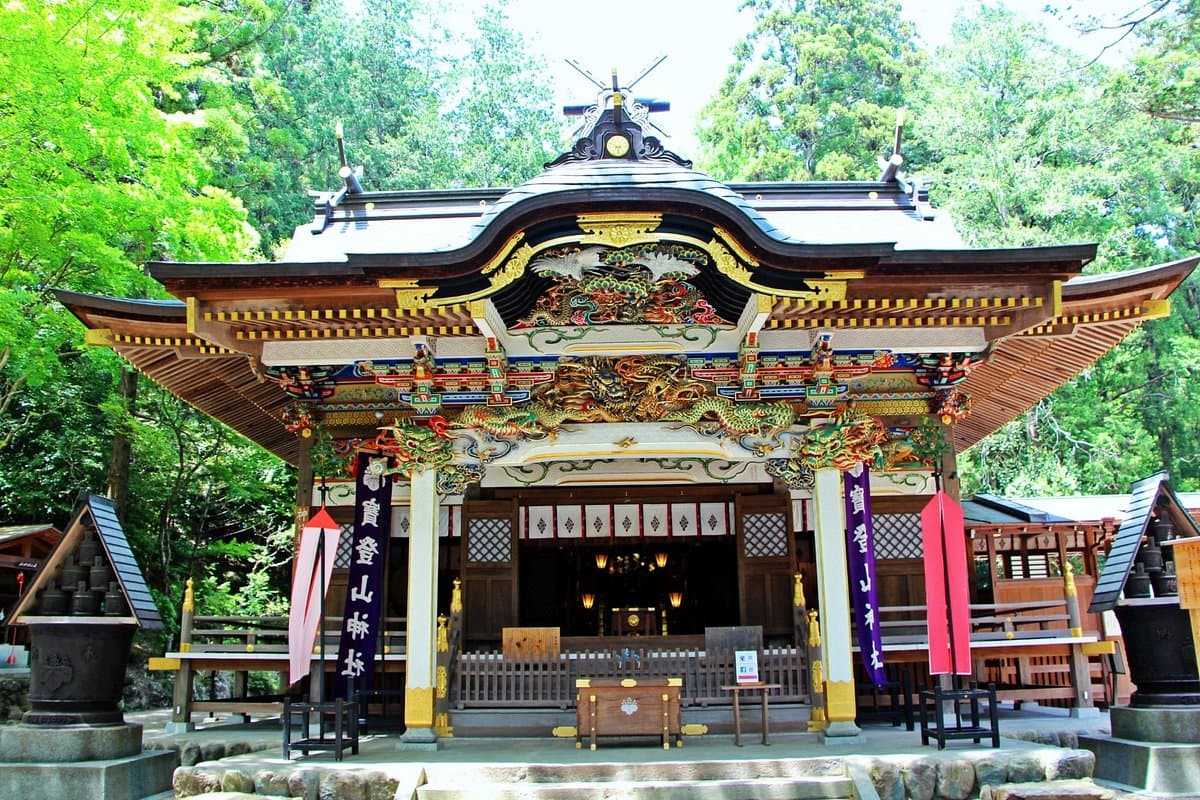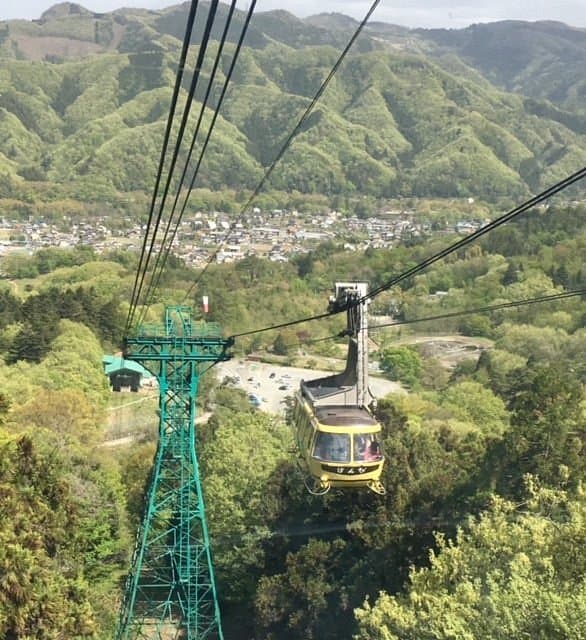
The Hodosan Ropeway is a cable car system that transports visitors to the summit of Mount Hodo in Nagatoro. It primarily serves as a convenient access point for the Hodosan Shrine, a historic site, and a small zoo located at the mountain's peak. While not an attraction in itself, it's an integral part of experiencing the natural beauty and cultural offerings of Mount Hodo.
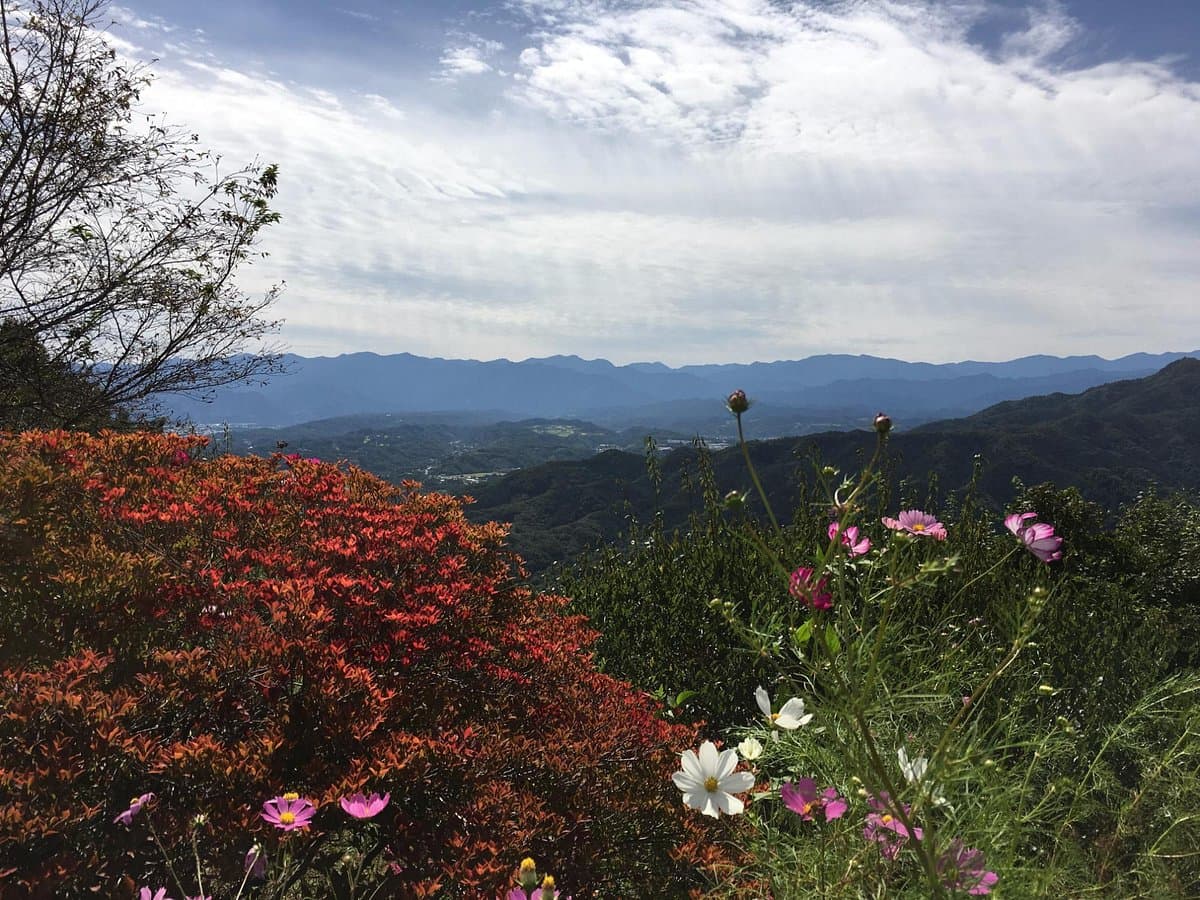
Visitors often appreciate the retro charm of the ropeway cars and the efficiency of the ride, which quickly ascends a steep slope. The panoramic views from the top are a consistent highlight, especially during seasons with vibrant foliage. However, some visitors have noted that the cars can become uncomfortably crowded, particularly during peak times, and that the lack of air conditioning can be an issue on hot days. The shuttle bus service from Nagatoro Station to the ropeway base is frequently mentioned as a helpful convenience, though its schedule can vary.
To make the most of your visit, check the ropeway's official website for the shuttle bus schedule and ropeway operating times, as these can change depending on the day and season. Consider visiting during off-peak hours to avoid crowds and potentially enjoy a more comfortable ride. Bring water, especially on warm days, as the cars may lack air conditioning. The ride itself is brief, typically lasting only a few minutes, so allocate more time for exploring the shrine, zoo, and walking trails at the summit.
The Hodosan Ropeway is located at 1766-1 Nagatoro, Nagatoro-machi, Saitama Prefecture. From Nagatoro Station, visitors can either walk the steep slope to the ropeway base or take the shuttle bus. Reviewers indicate the shuttle bus runs every 15 to 30 minutes, but checking the current schedule is advisable. Nagatoro Station is accessible via the Chichibu Railway.
A common complaint revolves around overcrowding and the lack of air conditioning in the cars, which can lead to an uncomfortable experience, especially in hot weather. To mitigate this, try to visit on cooler days or during less busy times. Some visitors also reported issues with staff communication regarding boarding procedures; arriving a bit early and observing local practices might help avoid frustration.