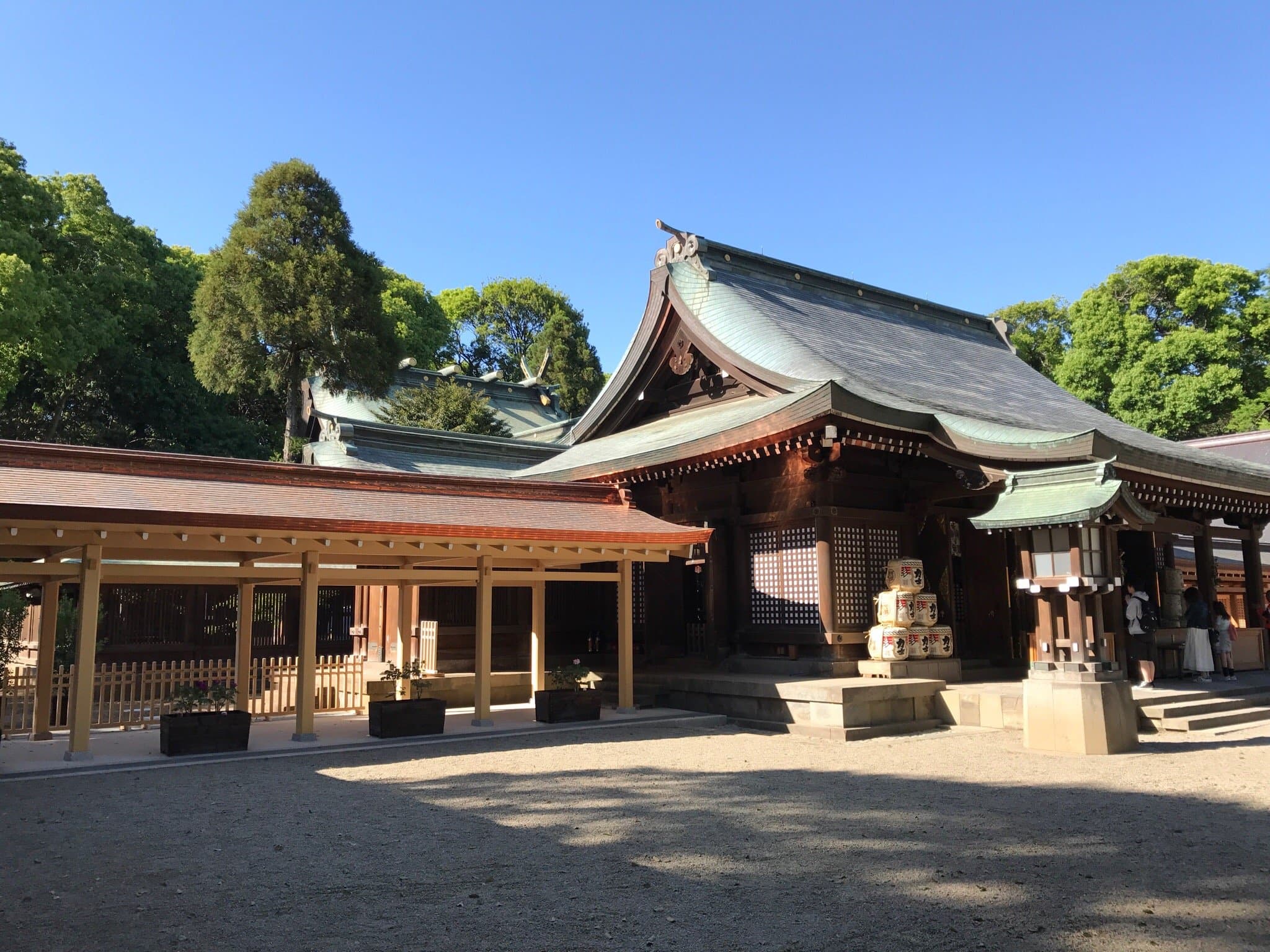
Musashi Ichinomiya Hikawa Jinja is one of Japan's oldest and most historically significant Shinto shrines, dating back over 2400 years. It holds the prestigious title of Ichinomiya (first shrine) of the former Musashi Province, making it a pivotal site for understanding regional Japanese history and spiritual practices. The shrine is also notable for inspiring the name of Omiya, meaning "Great Shrine," and serves as a major spiritual center for the Kanto region.
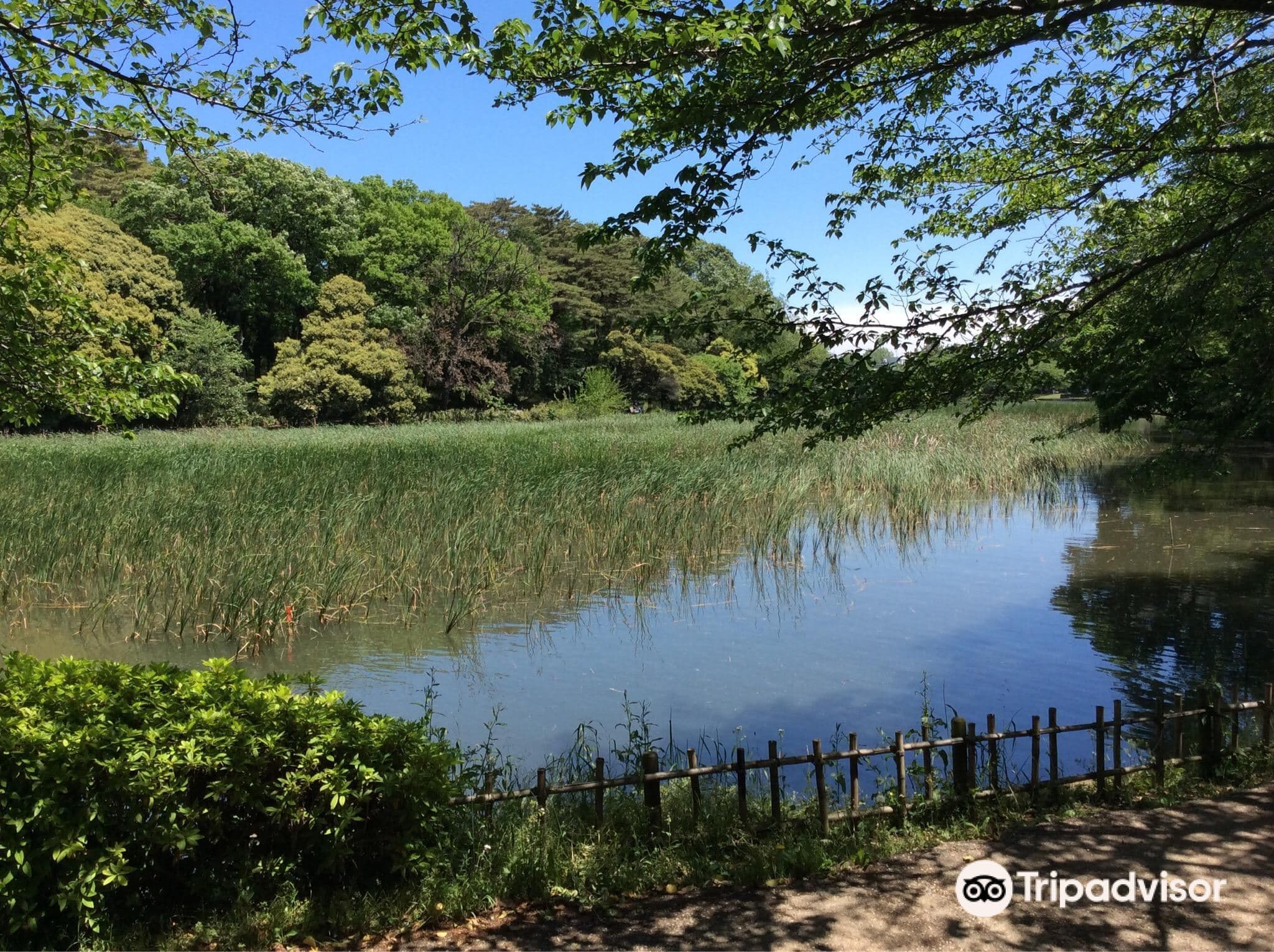
Visitors consistently praise the shrine's tranquil and spacious grounds, often highlighting the impressive 2-kilometer tree-lined approach (sando) as a highlight. Many describe this walk as a peaceful journey, especially enjoyable in autumn when the foliage changes color or during cherry blossom season. Reviewers frequently mention the solemn atmosphere of the main hall and the opportunity to observe traditional Japanese customs, such as weddings, birth celebrations, and New Year's prayers. The presence of numerous ancient trees within the shrine complex is also a recurring positive theme, providing a sense of nature even within an urban setting.
To make the most of your visit, allocate 1 to 2 hours to explore the shrine and its surroundings. Many suggest arriving early in the morning for a more serene experience, as it can get busy, especially during holidays like New Year's or Shichi-Go-San ceremonies. Walking the entire 2km approach from Saitama-Shintoshin Station is highly recommended for the full experience, offering a gradual transition into the shrine's solemn atmosphere. While the shrine itself is free to enter, consider bringing some Japanese coins for offerings or to purchase a Goshuin (temple stamp book entry) as a memento.
The shrine is accessible by public transport. It is approximately a 15-20 minute walk from JR Omiya Station. Alternatively, visitors can take the Tobu Urban Park Line to Kita-Omiya Station, which is closer and offers a pleasant walk through Omiya Park to the shrine. For those who wish to experience the full 2km approach, start near Saitama-Shintoshin Station. While many visitors drive, especially locals, the walk from the train stations is part of the experience and parking can be busy during peak times.
A common complaint, particularly during major holidays or events, is the crowd. Reviewers note that the shrine can become very busy, especially around New Year's. To mitigate this, plan your visit during off-peak times, such as weekdays or outside of major Japanese holidays. While the shrine is large, some visitors accustomed to more elaborate temple complexes might find it relatively simple. However, its understated elegance and historical depth are often cited as its main appeal.