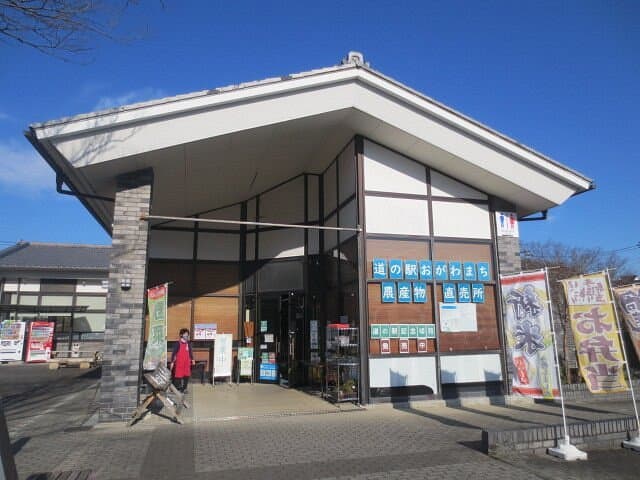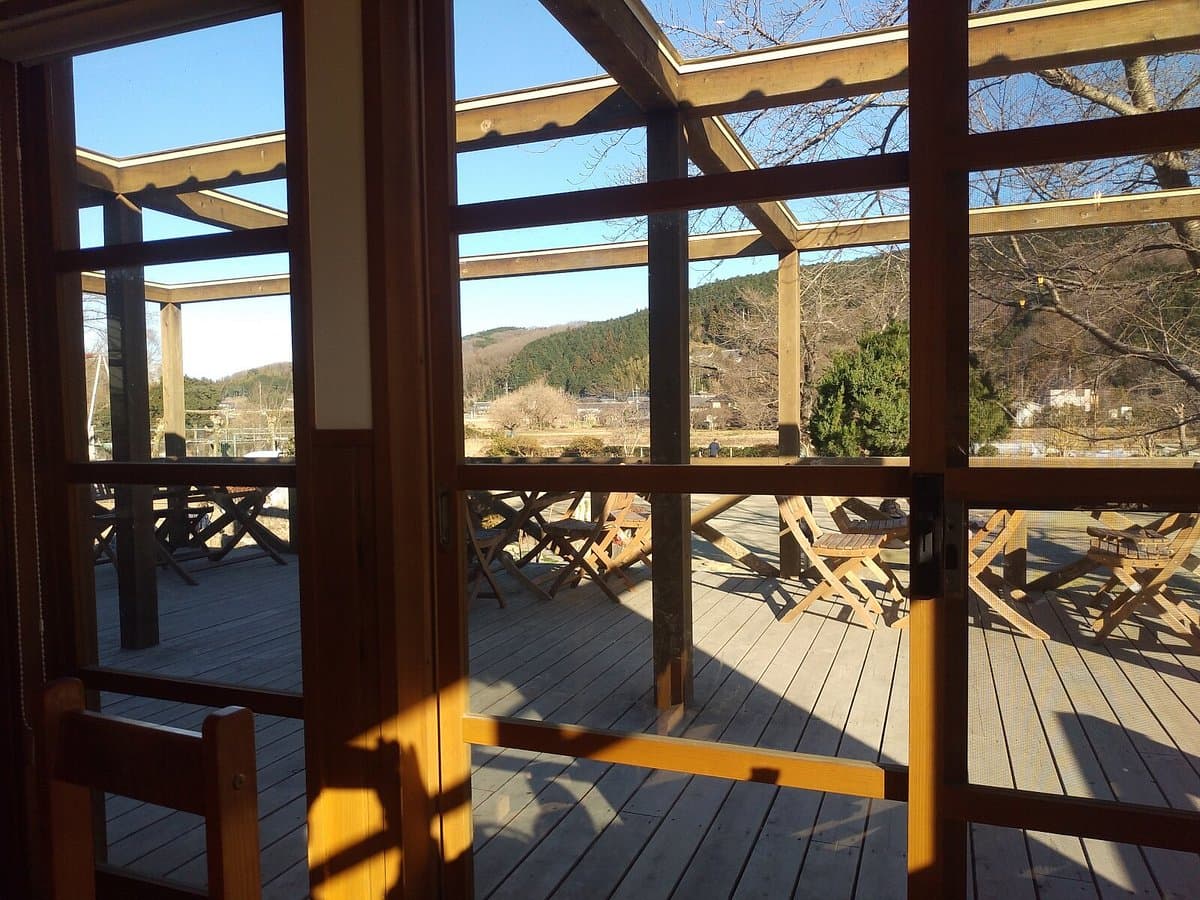
The Ogawa Elementary School Shimozato Branch School is a beautifully preserved wooden schoolhouse that served the local community from 1907 until its closure in 1985. It stands as a tangible piece of Japanese educational history, offering visitors a rare opportunity to step back in time and experience the atmosphere of a traditional rural school. The site is particularly significant for its architectural style and its role in local community life, providing a window into the daily routines and learning environments of children in a bygone era.
Visitors consistently praise the school's authentic atmosphere and the sense of nostalgia it evokes. Many reviewers highlight the well-maintained classrooms, complete with old desks, blackboards, and teaching materials, which create a vivid picture of school life. The quiet, peaceful surroundings are also frequently mentioned as a positive aspect, allowing for a contemplative visit. Some visitors appreciate the opportunity to take unique photographs, while others enjoy the simplicity and charm of the wooden architecture. The staff are often described as friendly and welcoming, enhancing the overall experience.
To make the most of a visit, it is recommended to allocate about 1 to 2 hours to explore the school thoroughly. The best time to visit is during daylight hours, as the natural light enhances the historical ambiance. There are no specific items to bring, but comfortable shoes are advisable for walking around the grounds. While there are no direct money-saving tips for entry, the experience itself is considered good value by many. Visitors should be prepared for a quiet, reflective experience rather than a high-energy attraction.
The school is located at 824-1 Shimozato, Ogawa-machi, Saitama Prefecture. Public transport options to this somewhat rural location may be limited. Reviewers do not explicitly mention specific train lines or bus routes, suggesting that driving or taking a taxi might be the most convenient way to reach the site. It is advisable to check local bus schedules or consider rental car options if relying on public transportation from more urban centers. Parking is generally available on-site or nearby, as indicated by the rural setting.
Common complaints are few, primarily revolving around the school's somewhat remote location and the lack of extensive modern facilities. Some visitors might find the experience too quiet or simple if they are expecting a more interactive or grand museum. To mitigate this, visitors should approach the site with an appreciation for historical preservation and a desire for a peaceful, reflective cultural experience.