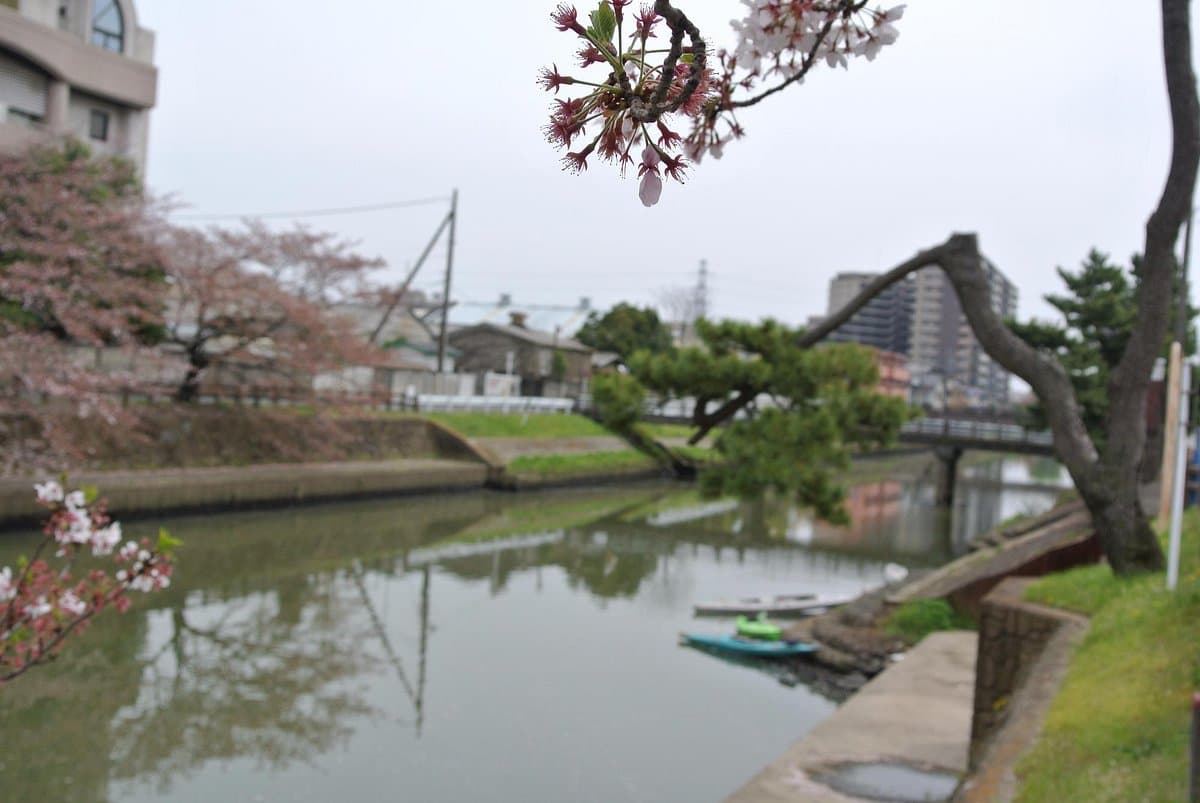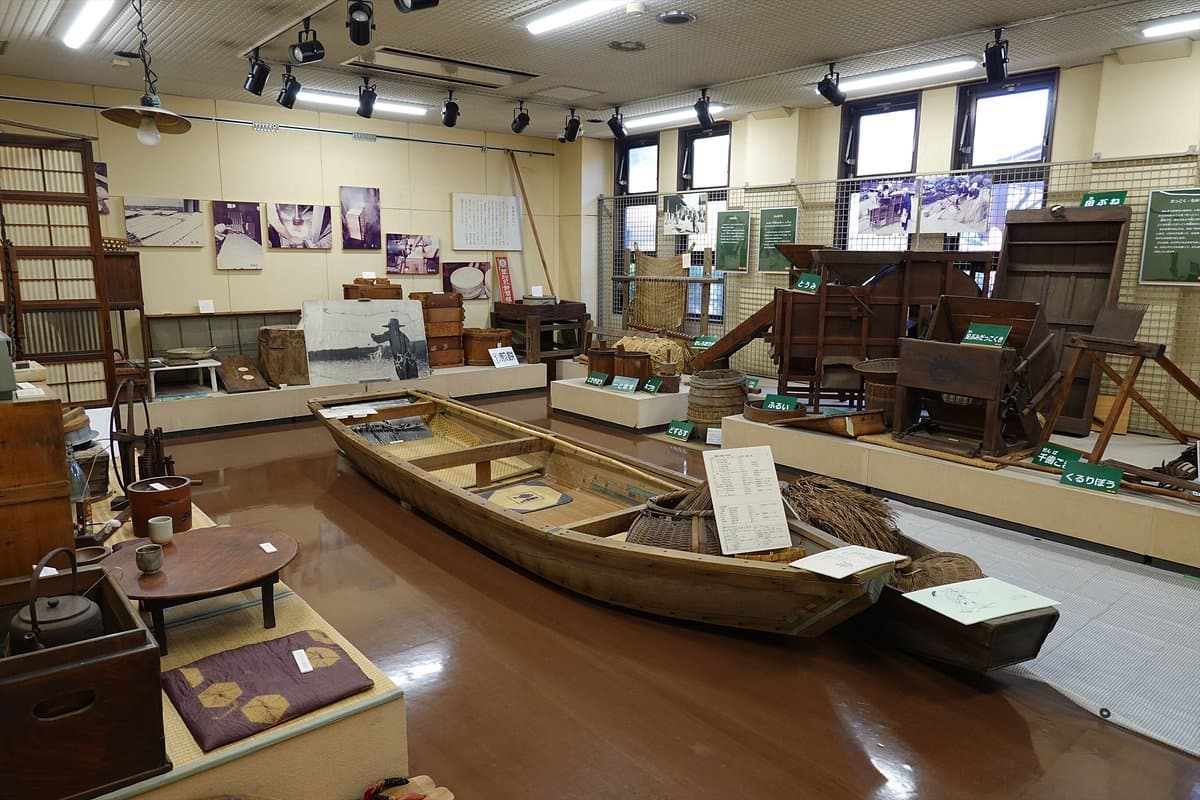
The Soka Municipal Museum of History and Folklore serves as a repository for the historical and cultural heritage of Soka City. It showcases various aspects of the region's past, from its development as a post town on the Nikko Kaido to its agricultural traditions and local industries. The museum aims to preserve and educate the public about the unique identity and evolution of Soka.
Visitors generally appreciate the museum's focus on local history, finding the exhibits informative for understanding the area's development. Reviewers often highlight the detailed displays on traditional life and the historical significance of Soka as a stop along an ancient highway. The quiet atmosphere is frequently mentioned, making it a suitable place for a calm and reflective visit. However, some visitors note that the museum is relatively small, and the information might be primarily in Japanese, which can be a barrier for international guests without translation assistance.
To make the most of a visit, it is advisable to allocate about one to two hours. Bringing a translation app or a Japanese-speaking companion can significantly enhance the experience, especially for understanding the more detailed historical texts. The museum is generally not crowded, so there isn't a specific 'best' time to avoid crowds. It's a good option for a rainy day or if you have a particular interest in local Japanese history beyond the major tourist hubs.
The museum is located at 1-11-29, Sumiyoshi, Soka, Saitama Prefecture. While specific public transport lines are not detailed in reviews, Soka City is accessible via the Tobu Skytree Line from Tokyo. From Soka Station, the museum would likely require a local bus or a walk, depending on its exact distance from the station. Driving is also an option, and visitors should check for available parking nearby.
A common complaint among international visitors is the limited English information. To mitigate this, consider using a smartphone app for real-time translation of Japanese texts or inquire at the front desk if any English-speaking staff or brochures are available. The small size of the museum means that expectations for extensive, interactive exhibits should be managed; it is more of a traditional, educational museum.