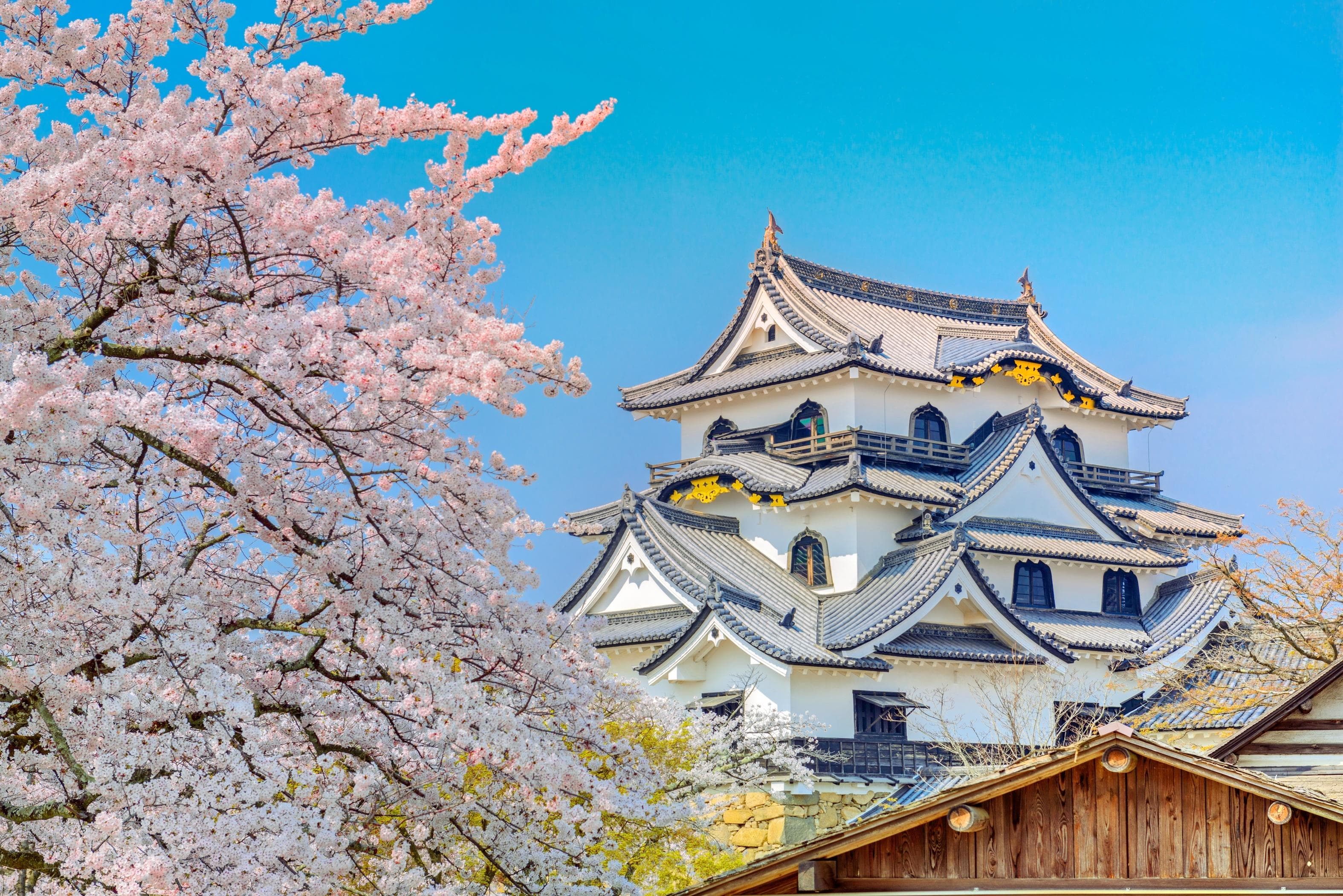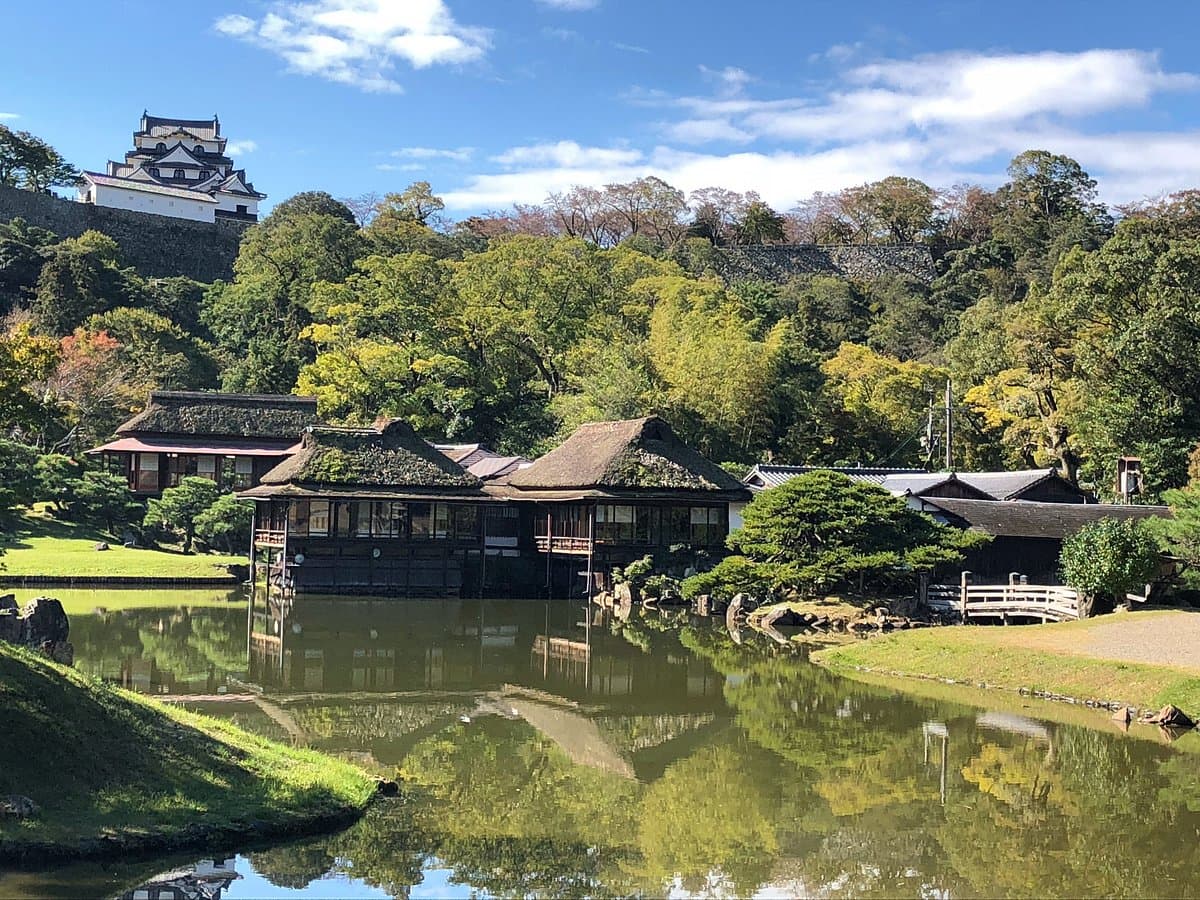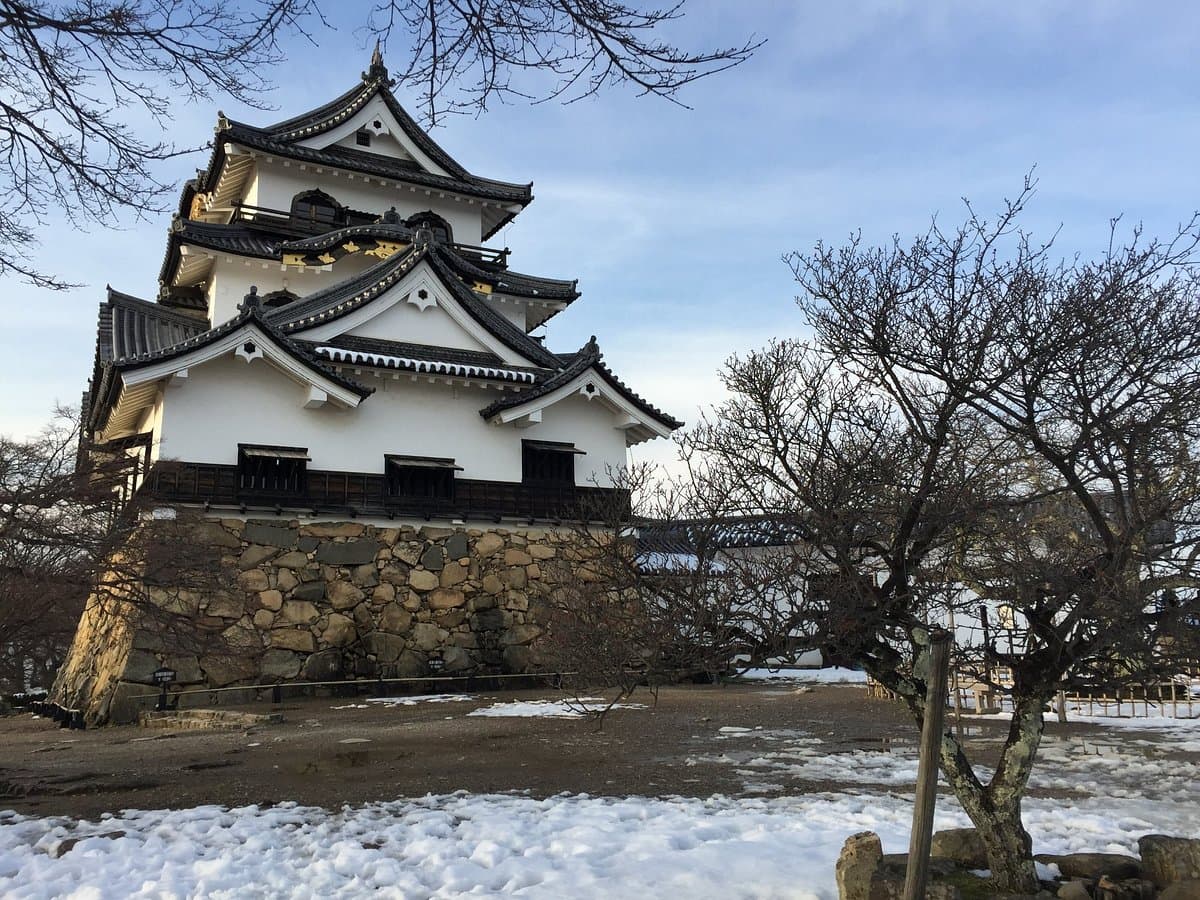
The Hikone Castle Museum serves as an essential complement to the adjacent Hikone Castle, providing a deeper dive into the history of the Ii clan, who governed the region for over 200 years. It's housed in a reconstruction of the castle's former Omote Goten (Front Hall), allowing visitors to experience an Edo-period residence firsthand. The museum showcases a remarkable collection of artifacts, including samurai armor, Noh masks and costumes, tea ceremony items, and historical documents, offering a comprehensive understanding of the castle's significance and the cultural heritage of the Ii family.
Visitors consistently praise the museum for its well-curated exhibits and the opportunity to see authentic historical items. Many highlight the reconstructed Edo house and its garden as a particular draw, offering a glimpse into traditional Japanese living. The Noh stage is also frequently mentioned as a unique and impressive feature. Reviewers appreciate the availability of English explanations for many items, making the historical context accessible to international guests. The museum is often described as a pleasant surprise, especially for those who initially came only for the castle, and is noted for being less crowded than the main castle.
To make the most of your visit, consider purchasing a combined ticket that includes the castle, Genkyu-en Garden, and the museum, as this offers a significant discount. Many visitors recommend visiting the museum before the castle to gain a better understanding of the history and context. Allow approximately 1 to 2 hours to explore the museum thoroughly. Be aware that you will need to remove your shoes in certain sections, but slippers are provided. The museum can be a good refuge on rainy or chilly days, as noted by some visitors.
The Hikone Castle Museum is conveniently located right next to the entrance of Hikone Castle. From JR Hikone Station, it's about a 15-20 minute walk to the castle grounds. The museum is situated within these grounds, making it easily accessible once you arrive at the castle. Public buses also run from Hikone Station to the castle area, offering a quicker alternative. Driving is an option, with parking available near the castle grounds, though it can be busy during peak seasons.
A common complaint among some visitors is that the museum might feel small or that the number of exhibits is limited for the separate admission fee, particularly if not purchased as part of a combined ticket. Some also mention that while English labels are present, more in-depth explanations are often only in Japanese. To mitigate this, consider utilizing the English leaflet often provided at the entrance, which can offer additional context. For those less interested in history, the museum might not hold as much appeal, but even then, the reconstructed residence and garden offer a visually engaging experience.