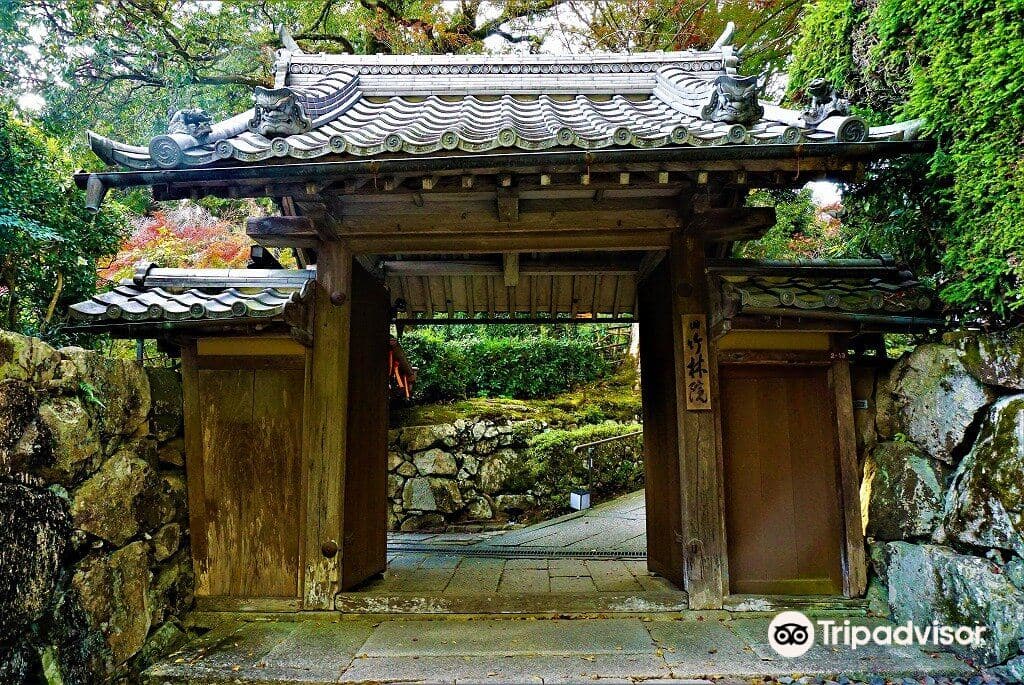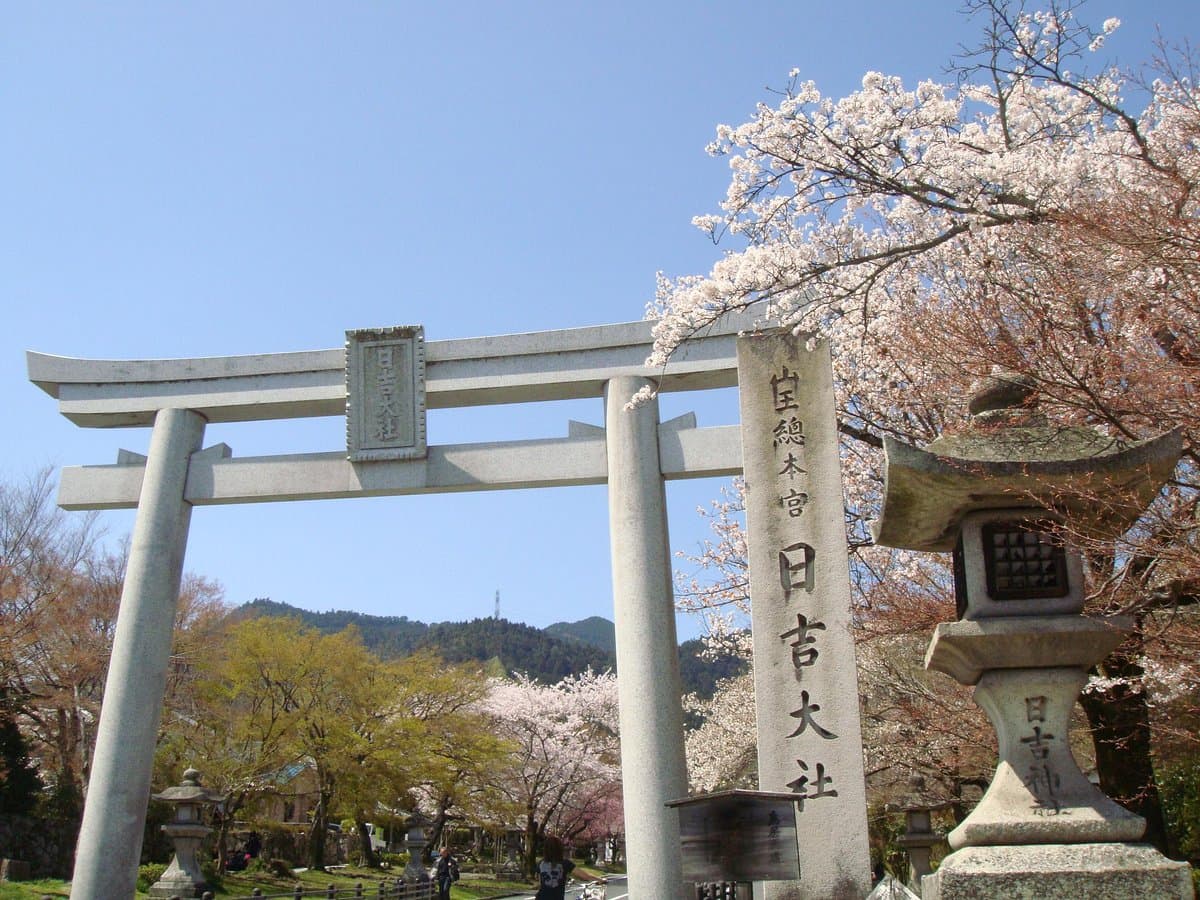
Hiyoshi Taisha is one of Japan's oldest and most significant Shinto shrines, dating back to the 8th century and rebuilt in the 17th. It serves as the head shrine for over 3,800 Hiyoshi, Hie, and Sanno shrines across Japan. Located at the base of Mount Hiei near Lake Biwa, it is deeply connected to the nearby Enryaku-ji Temple, sharing a unique 'Sanno-torii' gate that symbolizes this intertwined history. The shrine's extensive grounds are revered as a residence for ancient Shinto gods, particularly those associated with forested hillsides and clear springs.
Visitors consistently praise the shrine for its large, historical precinct and the peaceful, natural environment. Many describe it as a relaxing place, especially for those seeking a break from the more crowded attractions of Kyoto. The unique 'Sanno-torii' gate is a notable architectural feature that often catches the eye of visitors. While some find the buildings, with their peeling or faded paint, to be a testament to their age and authenticity, others might find them less visually striking than more meticulously maintained sites. The presence of three stone bridges and a large leaning pine tree near the entrance are also frequently mentioned points of interest.
To make the most of your visit, allocate about 1-2 hours to explore the grounds at a leisurely pace. Reviewers suggest that autumn is a particularly beautiful time to visit, especially when the grounds are lit up and special events like Taiko drumming performances occur. While the entrance fee of 300 yen is considered reasonable by many, some visitors note that the shrine might not offer 'amazing things' compared to other major sites. It's advisable to wear comfortable shoes as the grounds are extensive and involve some walking. If you are visiting during the annual festival on April 12th, arrive early to secure a good viewing spot for the palanquin procession.
Hiyoshi Taisha is located at 5-1-1 Sakamoto, Otsu, Shiga Prefecture. It is easily accessible by train from Kyoto, being just a few minutes away. Visitors often combine a trip to Hiyoshi Taisha with a visit to Enryaku-ji Temple on Mount Hiei, as the shrine is at the foot of the mountain. Public transport options are generally reliable in this area, making it convenient for those without a car. Specific bus lines or nearest train stations are not explicitly detailed in reviews, but its proximity to Enryaku-ji suggests good local connectivity.
A common complaint among some visitors is that the shrine, while historically significant, can be overshadowed by the grandeur of Enryaku-ji Temple or other major temples in Kyoto. Some also mention that the natural grounds lack formal gardens, which might disappoint those expecting manicured landscapes. To mitigate this, adjust your expectations: appreciate Hiyoshi Taisha for its ancient, rustic charm and its deep connection to nature and history, rather than expecting the elaborate aesthetic of a typical Japanese garden or a grand, perfectly preserved temple complex.