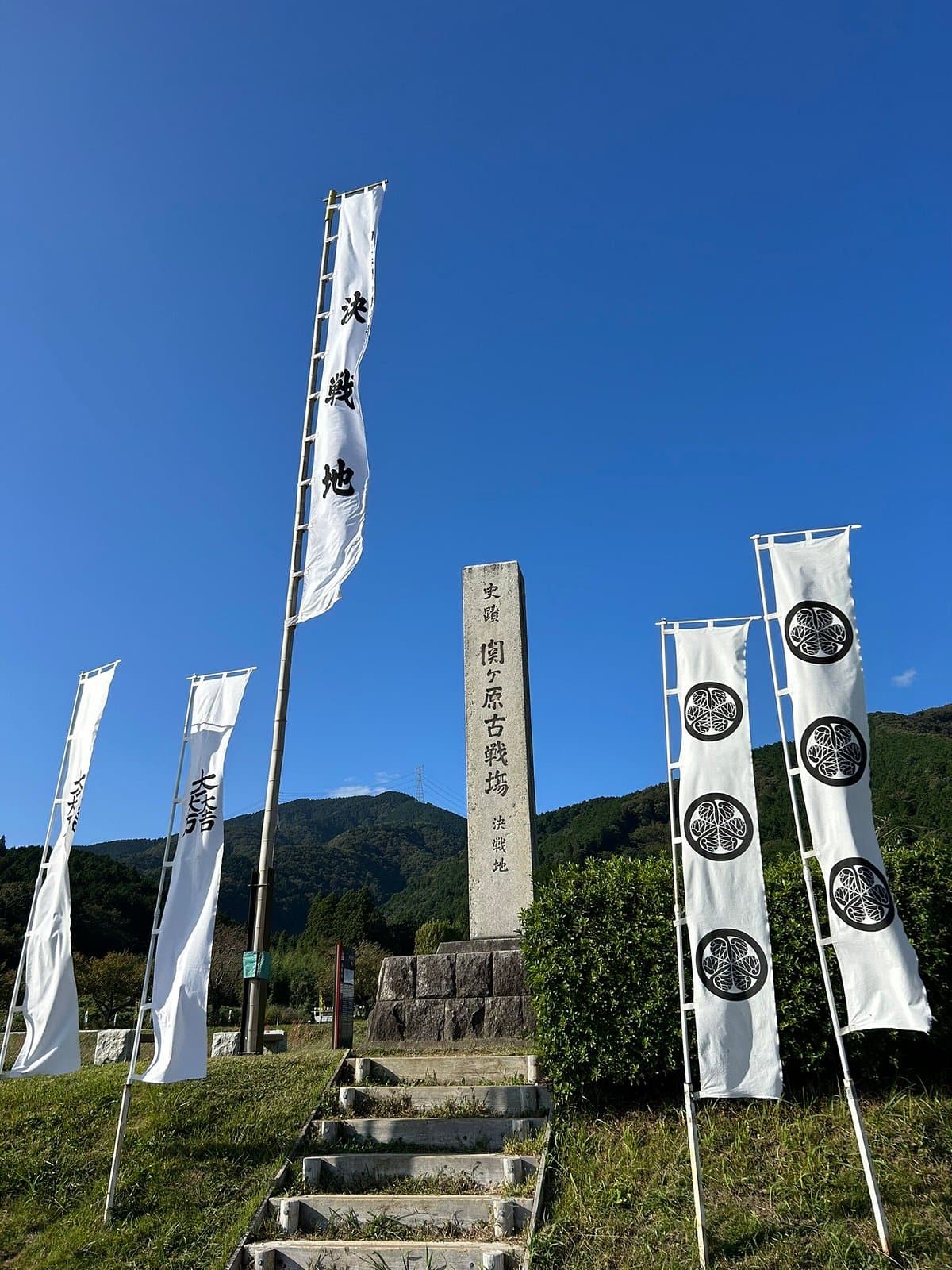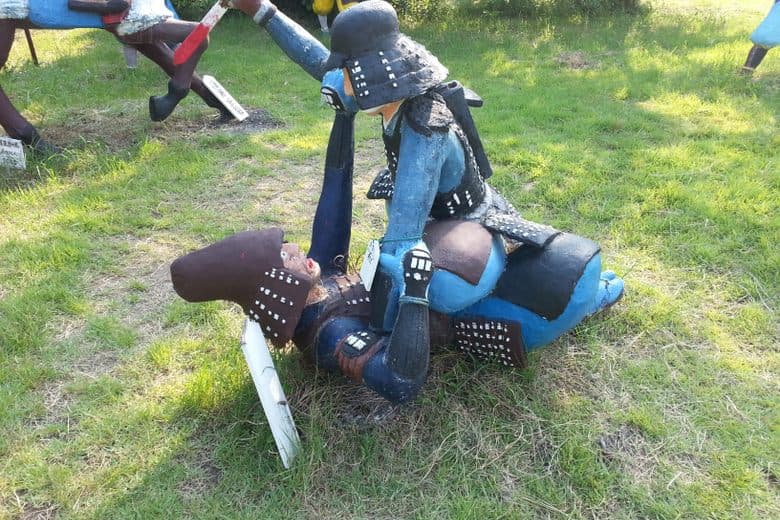
Sekigahara War Land is a distinctive historical theme park that vividly recreates the Battle of Sekigahara, a pivotal conflict from October 1600 that unified Japan under the Tokugawa Shogunate. Unlike traditional museums, this site uses over 200 life-sized concrete statues to depict the battle's key moments, offering a unique, albeit unconventional, immersion into this significant historical event.
Visitors consistently praise the unique and somewhat bizarre nature of the statues, finding them both amusing and thought-provoking. The outdoor setting allows for an engaging walk through the 'battlefield,' where one can observe various sculptural vignettes, from sword fights and archery volleys to the seppuku of General Ōtani Yoshitsugu and soldiers carrying severed heads. While some reviewers note the kitschy aesthetic and occasional historical inaccuracies, most appreciate the effort to bring history to life in such an unusual way. The small indoor museum, displaying historical weapons and armor, provides a more conventional historical context, though the outdoor sculpture garden remains the main draw.
To make the most of your visit, allocate approximately 1.5 to 2 hours to explore the outdoor area and the small museum. It's advisable to visit earlier in the day, as the park closes at 4 PM, though staff are reportedly relaxed about visitors staying longer once inside. Comfortable walking shoes are recommended, as you'll be traversing the outdoor grounds. Bringing a camera is a must for capturing the unique statues. There are no specific warnings about what to skip, as the entire experience is part of its charm.
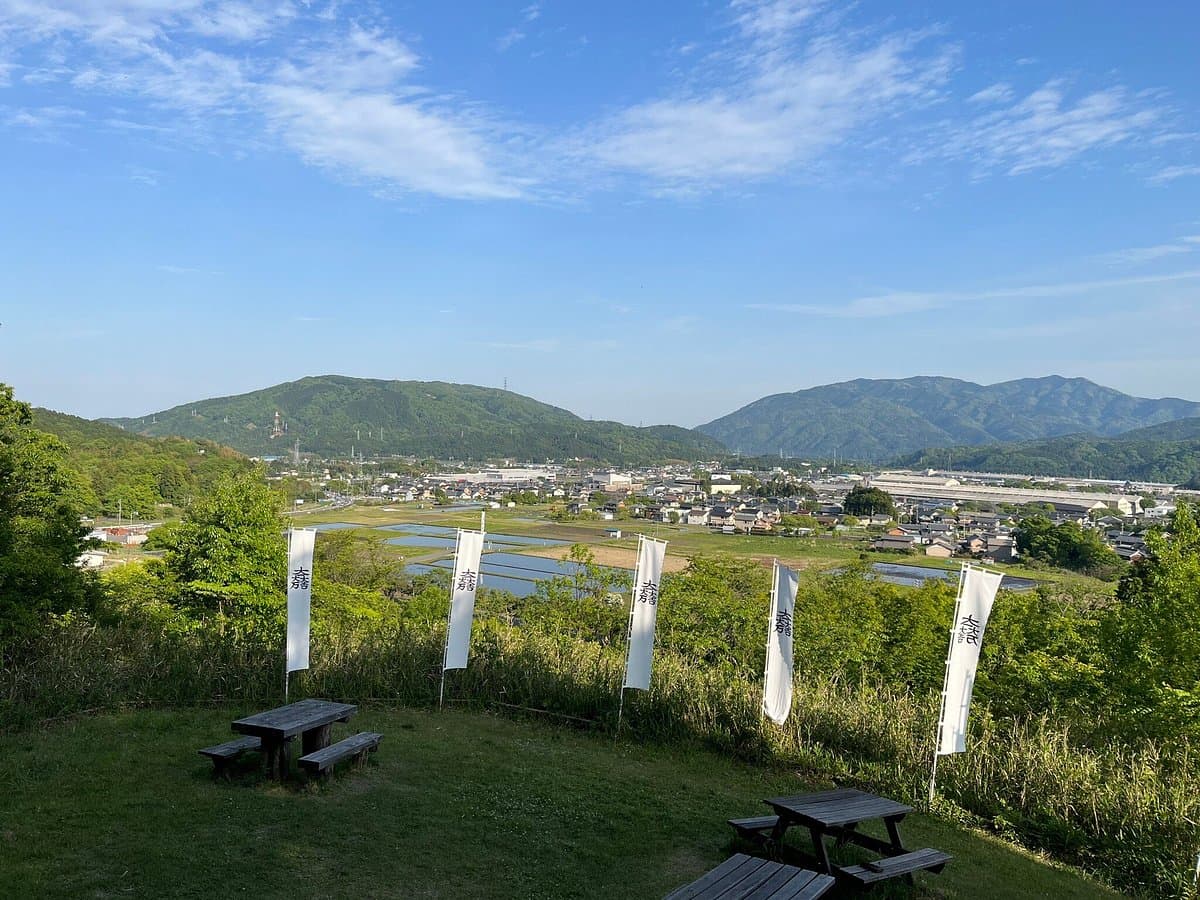
Sekigahara War Land is located in Sekigahara-chō, Gifu Prefecture. It is about a two-hour drive from Kyoto. Take Route 365 to the Sekigahara bypass; the War Land is near the intersection of these two roads. Alternatively, it's a pleasant half-hour walk from Sekigahara Station, offering a scenic route through the countryside. There is ample parking available for those arriving by car.
Common complaints often revolve around the 'kitschiness' or perceived historical inaccuracies of some statues. However, most visitors embrace this aspect as part of the park's unique appeal. Approaching the site with an open mind and appreciating its artistic interpretation rather than expecting a strictly academic historical recreation can mitigate any potential disappointment.