Iwami-Ginzan is a UNESCO World Heritage site, celebrated for its historic silver mines and the remarkably preserved cultural landscape of Omori town. Active from the 16th to the 20th century, these mines were once Japan's largest source of silver, playing a crucial role in global trade. Unlike many industrial sites, Iwami-Ginzan is noted for its sustainable mining practices that minimized environmental impact, a detail often highlighted by visitors.
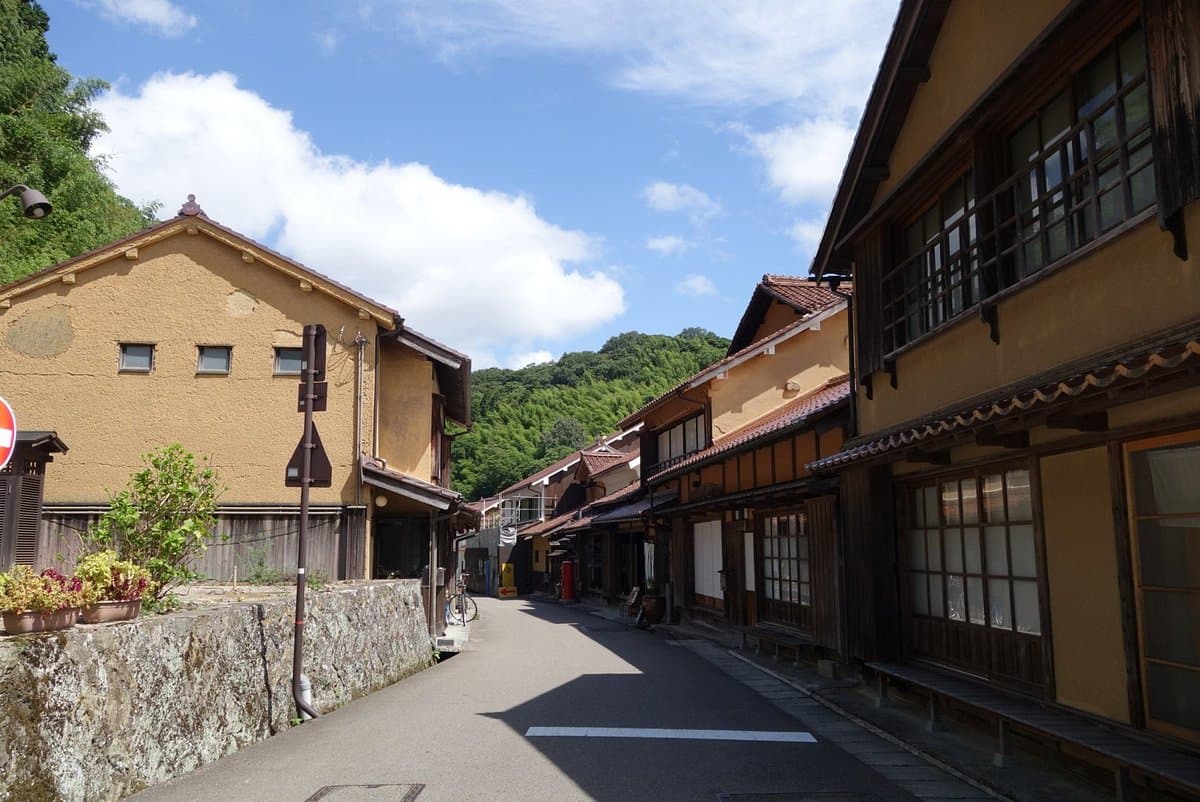
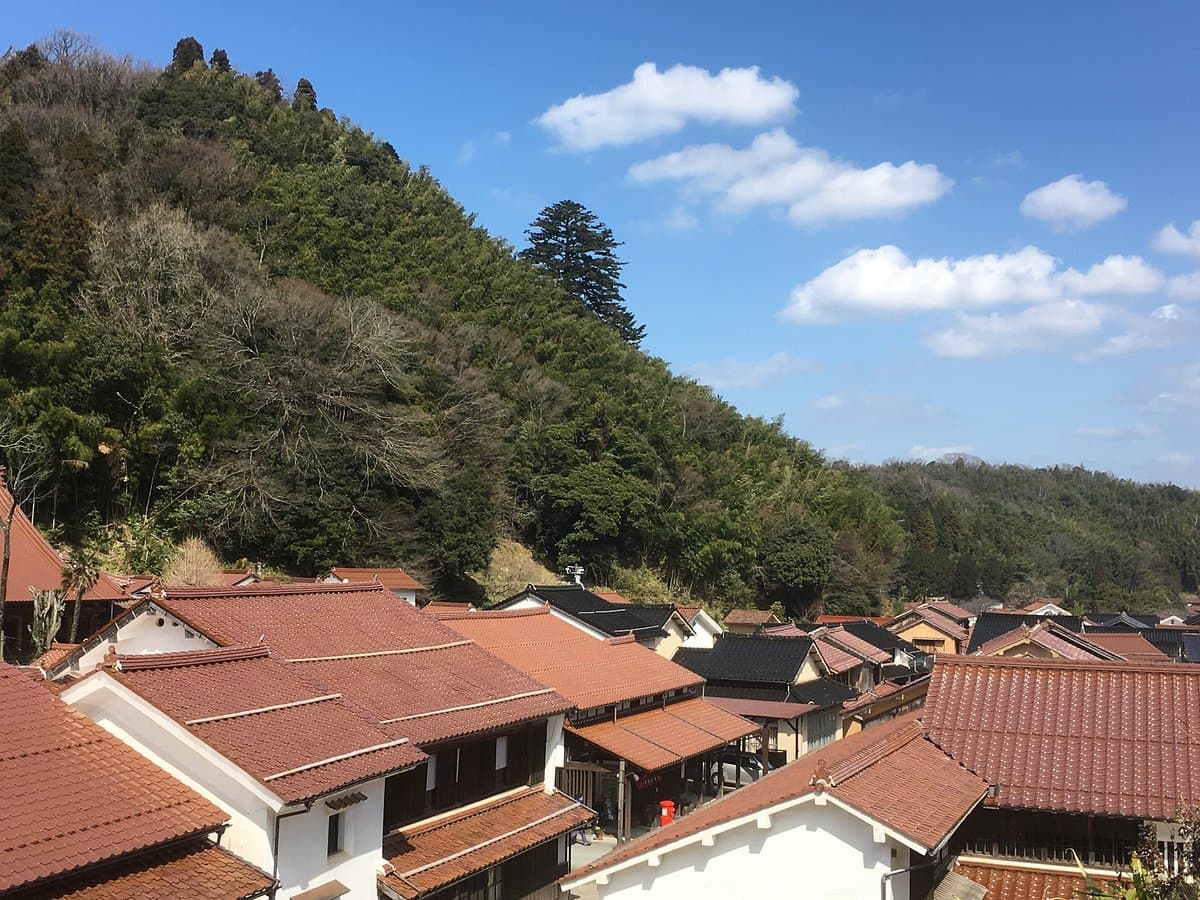
Visitors consistently praise the tranquil and rustic atmosphere of Omori town, often describing it as a 'hidden gem' or a 'sleeping town' where the spirit of ancient Japan is well-preserved. The town's unique charm comes from its traditional wooden houses, shops, and the deliberate concealment of modern utilities like electrical wires and air conditioners, creating an authentic Edo-period feel. Many find the town itself, with its friendly locals and beautiful natural landscapes, to be the highlight of their visit, even more so than the mines. Reviewers frequently recommend renting electric bicycles to navigate the spread-out area and hilly terrain, making the journey between the town and the mines more enjoyable. The walk to the Ryugenji Mabu mine shaft is also noted for its scenic beauty, passing by temples, shrines, and lush surroundings.
For a fulfilling experience, visitors suggest dedicating at least half a day, or even a full day, to explore both Omori town and the mine area. Bringing comfortable walking shoes is essential, as much of the exploration involves walking or cycling. While the main Ryugenji Mabu mine shaft is accessible to the public, some reviewers recommend taking a guided tour of the Okubo Mabu mine shaft, which offers a more extensive and authentic experience, though it requires advance booking and is only available on specific days. It's also advised to visit the Iwami Silver Mine World Heritage Center first for an overview, although some displays are primarily in Japanese. Consider visiting during autumn for beautiful fall foliage, or during colder seasons for fewer crowds.
Getting to Iwami-Ginzan requires some planning due to its remote location. Most visitors arrive by bus from JR Odashi Station. The bus journey to the Iwami Silver Mine World Heritage Center takes approximately 40 minutes. From the World Heritage Center, local buses can take you to Omori town, or you can walk. Cars are not allowed within the main historical area between Omori town and the mines, so visitors must either walk, rent a bicycle (electric bikes are highly recommended for the hilly paths), or use a shared cart. Reviewers often mention storing luggage at Odashi Station before heading to the site.
A common complaint among some visitors is that the publicly accessible mine shaft (Ryugenji Mabu) can be underwhelming, described as a simple, short tunnel with limited visual interest. To mitigate this, consider managing expectations by focusing on the historical significance rather than visual spectacle, or opt for the more in-depth Okubo Mabu guided tour if available. Additionally, while audio guides are available, some reviewers found them distracting and preferred to read information boards, suggesting that a self-guided approach focusing on the atmosphere might be more enjoyable for some.