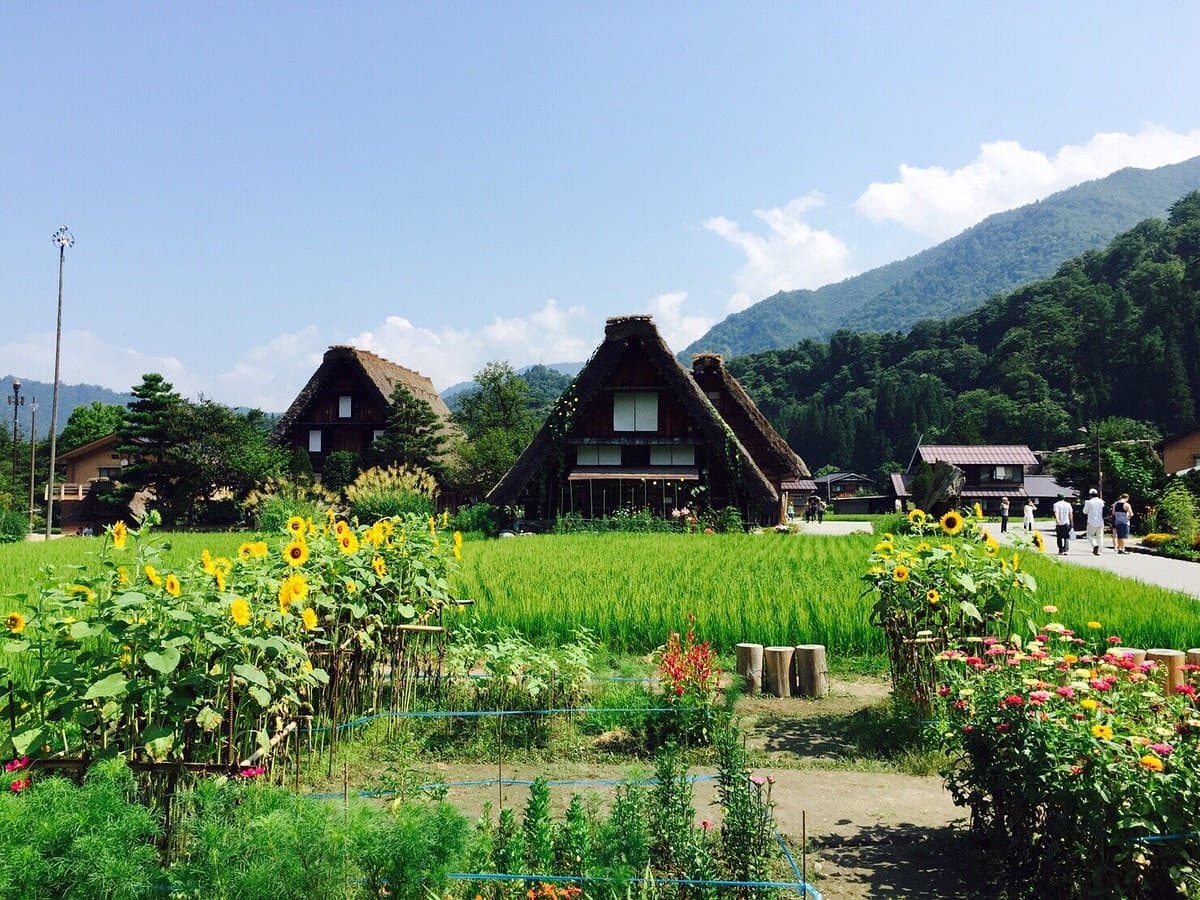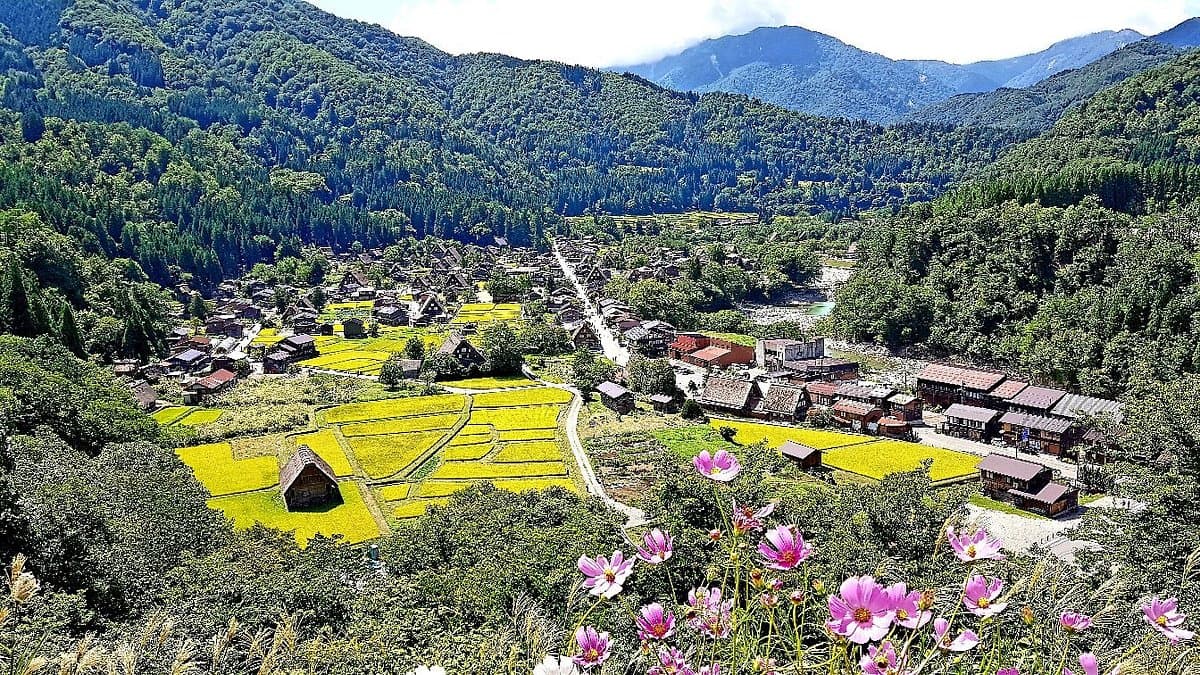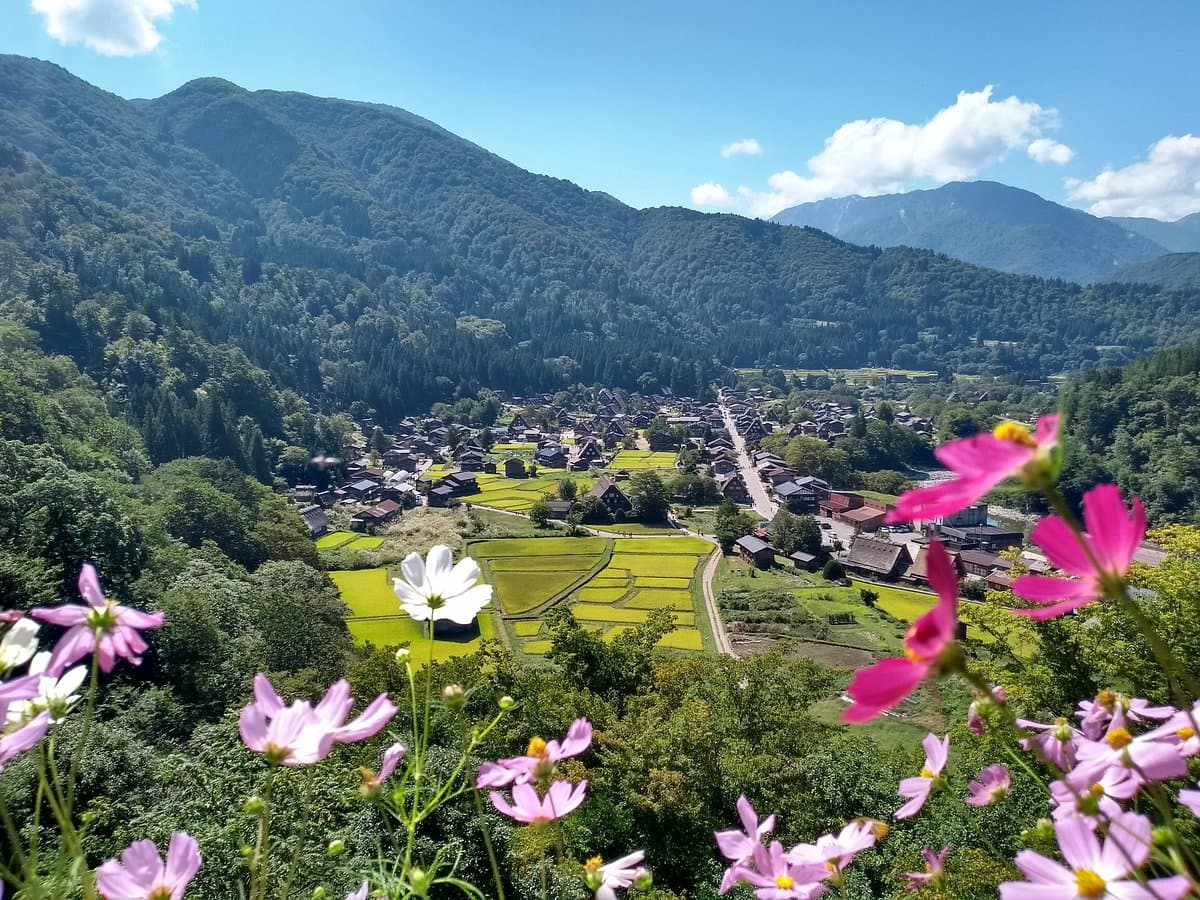
Shirakawa-go is a UNESCO World Heritage site nestled in the mountainous region of Gifu Prefecture, celebrated for its unique architectural style known as gassho-zukuri. These traditional farmhouses feature steeply pitched, thatched roofs designed to withstand heavy snowfall, resembling hands clasped in prayer. The village offers a rare opportunity to experience a living cultural heritage, where centuries-old homes coexist harmoniously with modern life, making it a significant destination for those interested in Japanese history and traditional craftsmanship.
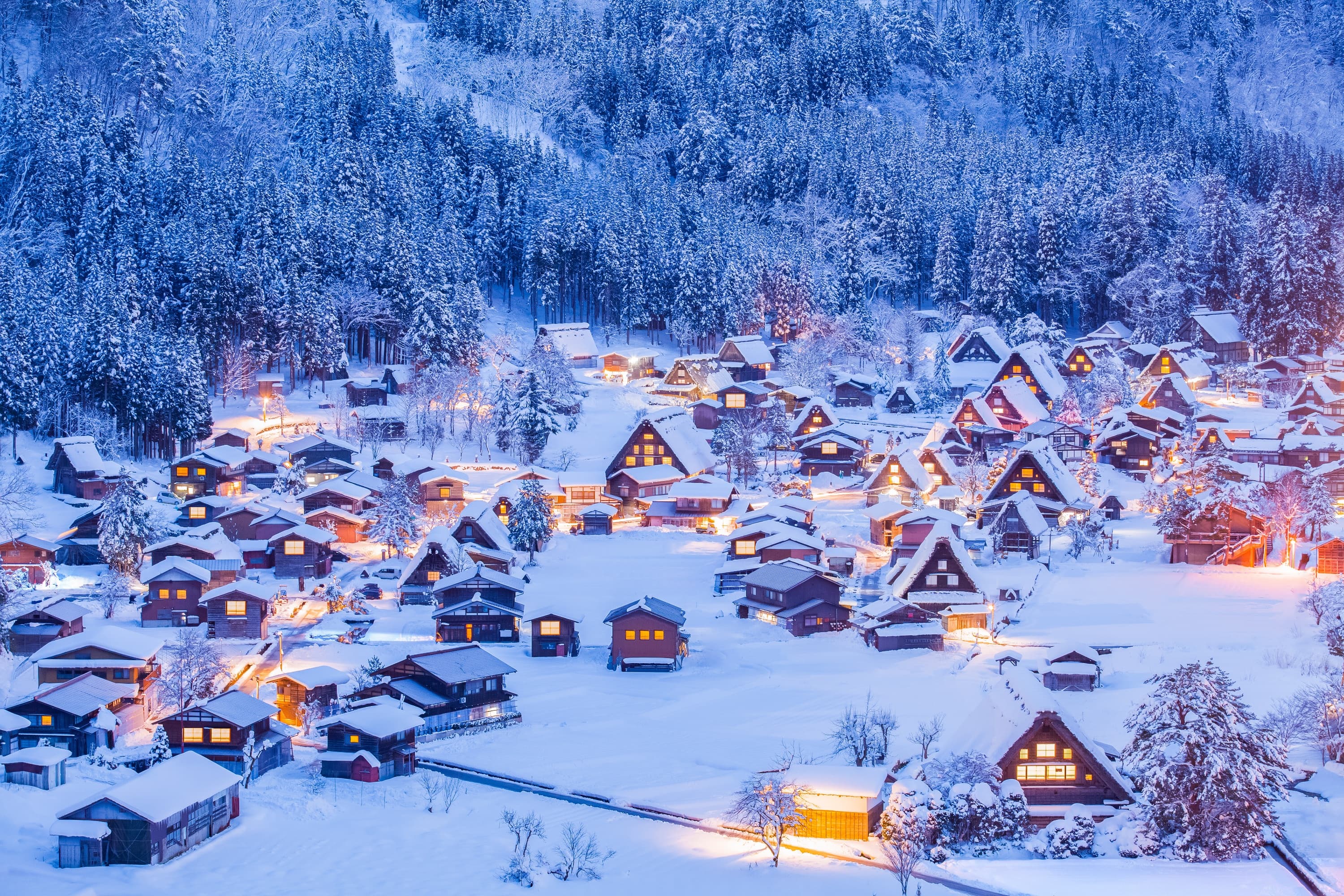
Visitors consistently praise the village's breathtaking beauty, noting how its charm transforms with each season. Many describe the winter landscape, with houses blanketed in snow, as a magical 'fairytale world' or 'winter wonderland,' especially during the special illumination events. The autumn colors are also highly regarded, with vibrant reds and yellows creating a stunning backdrop. Reviewers frequently mention the serene atmosphere and the opportunity for peaceful strolls. The clear water, where koi fish swim in drains, and the well-preserved traditional structures, including some open for tours like the Nagase and Kanda houses, are often highlighted as memorable aspects.
To make the most of your visit, plan to spend 2-3 hours if you're just walking around, or 3-5 hours if you intend to have lunch and explore some of the open houses. Arriving early, especially on weekends or during peak seasons, is a common recommendation to avoid the crowds and enjoy the tranquility before tour groups arrive. While there's no entry fee for the village itself, some individual houses charge a small fee for entry. Many visitors suggest bringing comfortable walking shoes, as you'll be exploring on foot. Consider visiting during the shoulder seasons (spring or autumn) for pleasant weather and fewer crowds, though winter remains a popular choice for its iconic snowscapes. Don't miss the pudding shop, which some reviewers claim serves the best pudding they've ever had.
Shirakawa-go is accessible primarily by bus. Many visitors travel from Takayama or Kanazawa. From Takayama, direct buses are available, and it's advisable to check the Nohi Bus website for schedules and to book tickets in advance, as they can sell out quickly. From Kanazawa, bus tours are a popular option, often including coffee and snacks. The village itself is small enough to explore on foot. For panoramic views, head to the Shiroyama Observatory; you can walk up the hill or take a shuttle bus. If you're carrying luggage, some reviewers mention luggage storage facilities near the bus terminal, which can be helpful for day-trippers.
A common complaint among visitors, particularly during peak seasons or illumination events, is the sheer number of tourists, which can detract from the serene experience. To mitigate this, consider visiting on a weekday or arriving early in the morning. Another point raised is the difficulty in securing tickets for the winter illumination observation deck; planning well in advance and checking official websites for booking details is crucial. Some visitors also note that while beautiful, the village can feel a bit touristy. Remembering that people still live in these houses can help maintain respect for their privacy and the authenticity of the village.